A Landmark Settlement Following a Fatal Crash
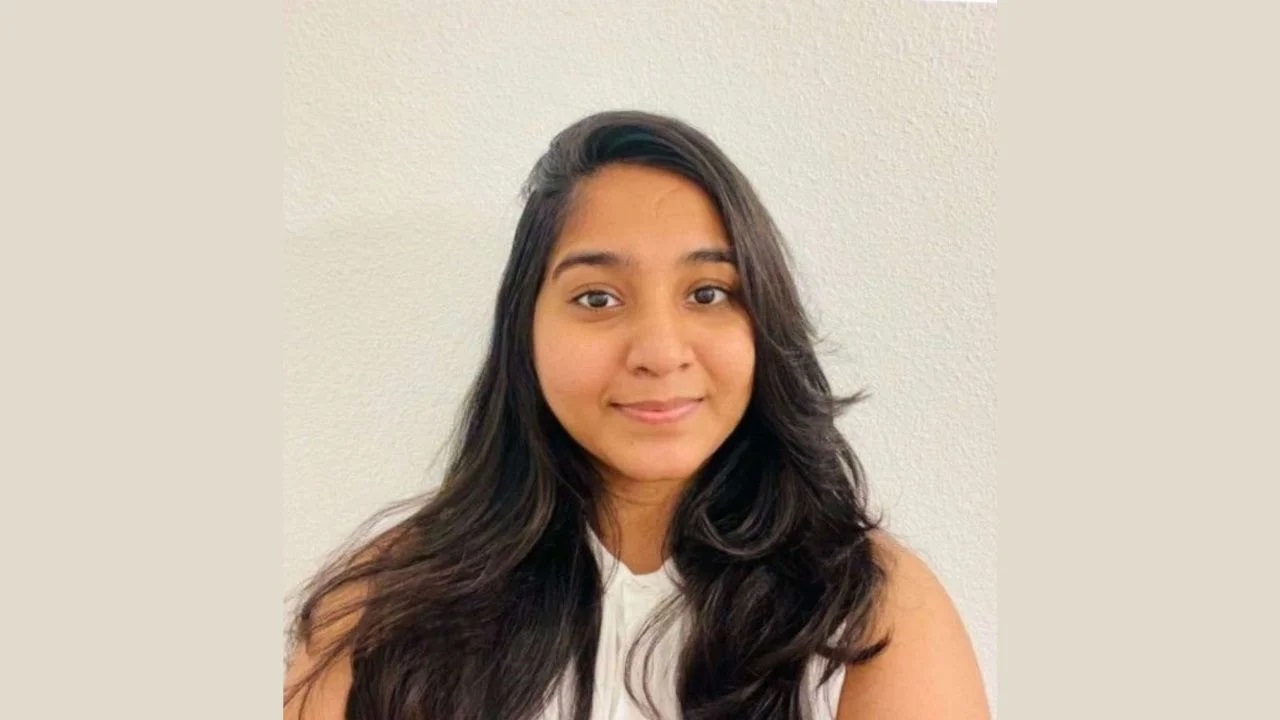
Seattle has agreed to pay approximately ₹260 crore ($29 million) to the family of Jaahnavi Kandula, the Indian graduate student who died after being struck by a police vehicle in 2023. Finalized in February 2026, the settlement stands among the largest ever issued in Washington state in a police-involved death. While the agreement provides financial redress, it has also revived debate over accountability, emergency-response protocols, and the treatment of international students in the United States.
The Incident and Its Aftermath
Kandula, a 23-year-old master’s student in information systems, was crossing a Seattle Street when she was hit by a police car driven by Officer Kevin Dave, who was responding to an emergency call. Investigators determined that the officer was traveling far above the posted speed limit at the time of the collision. Kandula suffered severe injuries and died later that day.
Her death quickly became a flashpoint for public criticism of police practices, particularly concerning high-speed responses in urban areas. For many in the Indian diaspora and global student community, the case symbolized broader concerns about safety and institutional accountability.
Outrage Over Remarks and Public Trust
Public anger intensified months later when body-camera audio from another officer surfaced. In the recording, the officer was heard laughing and suggesting Kandula’s life had “limited value,” adding that the city might as well “just write a check.” The remarks sparked widespread condemnation, protests, and diplomatic concern from India, with officials urging a transparent investigation.
Seattle’s civilian police watchdog later concluded that the comments—made by Officer Daniel Auderer, who was also a police union leader—undermined public confidence and damaged the department’s reputation. Auderer was subsequently dismissed from his position and has filed a lawsuit alleging wrongful termination, stating his remarks were intended as criticism of legal responses rather than a reflection of personal views. Nevertheless, the episode significantly intensified scrutiny of the case and contributed to pressure on city authorities.
Legal Consequences for Officer Kevin Dave
Criminal charges were not ultimately filed against Officer Kevin Dave. Prosecutors determined that the evidence did not meet the legal threshold required to pursue vehicular homicide or manslaughter charges. However, civil and administrative actions followed.
Dave received a negligent driving citation and was fined. An internal police investigation also found multiple violations of department policy, including unsafe speed and failure to adhere fully to emergency-response procedures. He was terminated from the Seattle Police Department in January 2025 and has appealed that decision through the city’s civil service system. The appeal process remains unresolved.
Broader Implications
The ₹260 crore settlement underscores a growing trend of substantial civil payouts in cases involving police-involved fatalities in the United States. Such settlements often serve as a mechanism for institutional accountability when criminal convictions are not secured.
For international students and their families, Kandula’s death highlighted vulnerabilities abroad and prompted renewed calls for improved safety measures and clearer protocols. Universities and local authorities have since reviewed emergency-response and community-safety policies affecting students.
Accountability Beyond Compensation
The settlement in Jaahnavi Kandula’s case represents both acknowledgment and reckoning. While financial compensation cannot restore a life lost, it reflects mounting pressure on institutions to address systemic shortcomings.
The case has become emblematic of the need for clearer standards governing emergency driving, stronger oversight, and greater sensitivity in public communication. Whether Seattle’s response leads to lasting reform remains to be seen, but the outcome signals that accountability—legal, institutional, and moral—will continue to shape public expectations in the aftermath of such tragedies.
(With agency inputs)