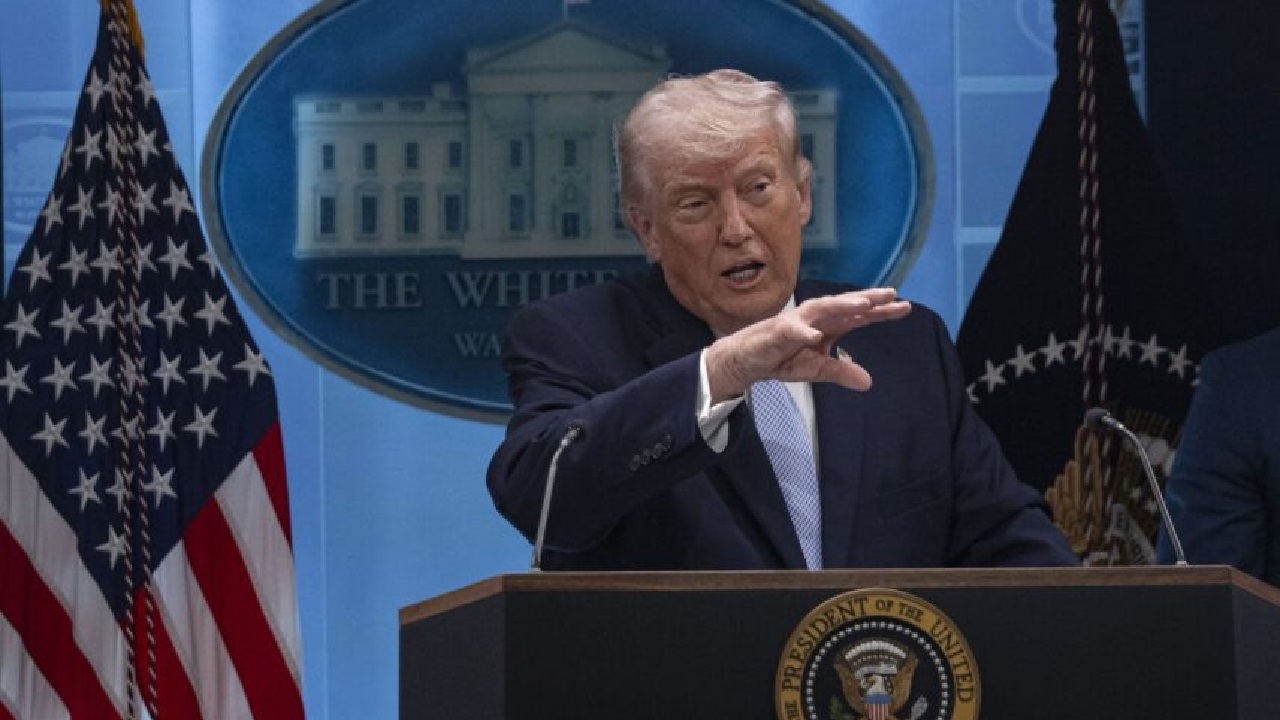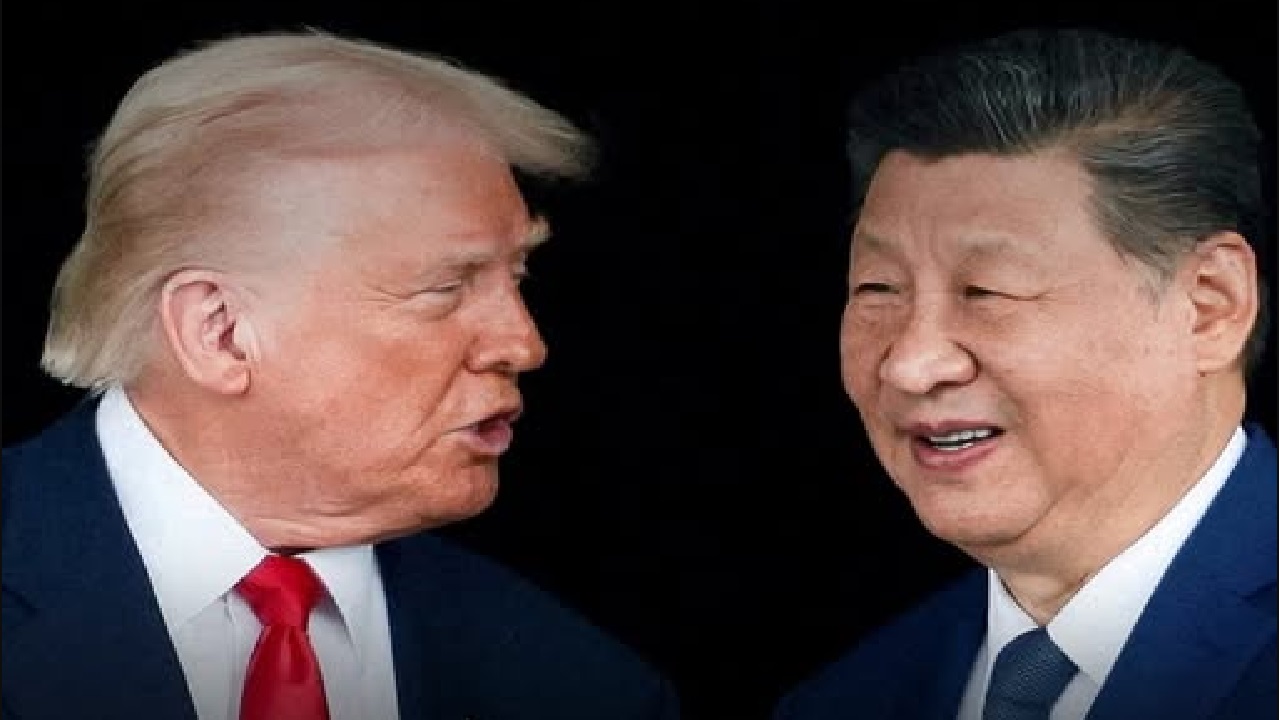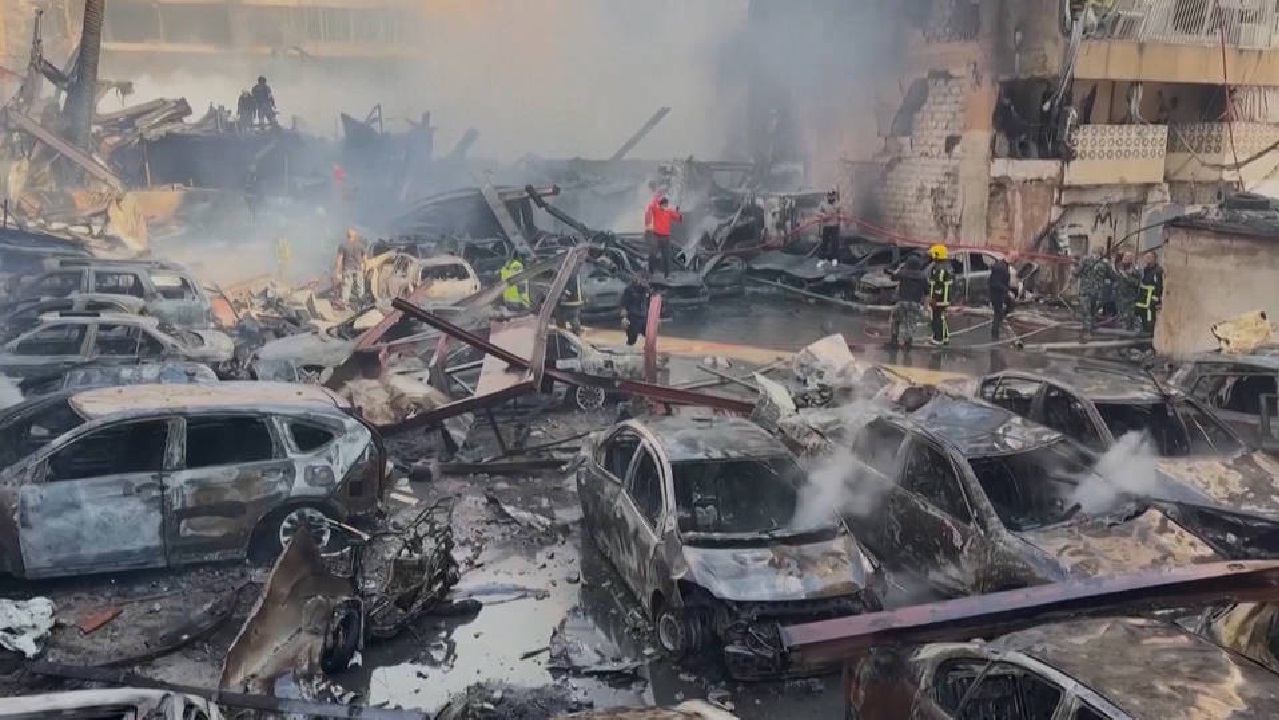
In a dramatic escalation that has shaken the region, Israel launched over 100 airstrikes across Lebanon in just ten minutes, killing more than 250 people and signalling that the recently announced US–Iran ceasefire is far from comprehensive. Even as US President Donald Trump reiterated warnings to Tehran and spoke of restraint, the ground reality suggests otherwise. Simultaneously, Israel has raised doubts about Pakistan’s role as a mediator in the US–Iran talks, questioning whether the truce has been uniformly understood. The result is a volatile mix: a partial ceasefire, a widening war theatre, and growing mistrust among key actors.
Lebanon: The War Zone Outside the Ceasefire
The sheer scale of Israel’s assault highlights a crucial fact—the US–Iran ceasefire does not extend to Lebanon. Israeli leadership, including Prime Minister Benjamin Netanyahu, made it clear that operations against Hezbollah remain unrestricted. By striking command centres, logistics hubs, and infrastructure across Beirut, the Bekaa Valley, and southern Lebanon, Israel effectively reinforced its stance that the Hezbollah front is a separate conflict altogether.
This deliberate exclusion has transformed Lebanon into the primary battlefield. While tensions between Iran and the US are temporarily contained, the Israel–Hezbollah conflict continues unabated, exposing the limitations of a narrowly defined ceasefire.
A Strategic Split: Iran vs Hezbollah
At the core of the crisis lies a fundamental disagreement. Israel and its allies view the ceasefire as strictly bilateral—confined to direct US–Iran hostilities. Iran, however, sees Hezbollah as part of its broader regional network and expects any truce to reflect that reality.
This divergence has created a dangerous loophole. Israel’s ability to “bifurcate” the Iran and Lebanon fronts allows it to maintain military pressure on Hezbollah without technically violating the ceasefire. For Iran, this undermines the spirit of the agreement and raises the risk of escalation if attacks on its proxy continue.
Timing, Messaging, and Military Intent
The timing of the strikes—just hours after the ceasefire announcement—was no coincidence. Strategically, Israel achieved multiple objectives: weakening Hezbollah’s operational capacity, demonstrating independence from US diplomatic constraints, and reassuring domestic audiences of its security posture.
Regionally, the strikes send a broader message: agreements with Iran will not shield its allied groups. This also helps maintain confidence among Gulf partners that US-backed arrangements do not compromise their security interests, even as Washington seeks to avoid a direct confrontation with Tehran.
Pakistan’s Role Under Scrutiny
Adding another layer of complexity is Israel’s criticism of Pakistan’s involvement as a mediator. Israeli officials have questioned whether Pakistan’s diplomatic channel contributed to differing interpretations of the ceasefire.
The concern is that Iran may have perceived the agreement as encompassing its regional proxies, while the US and Israel insist on a narrower reading. This mismatch highlights the difficulty of mediating in a multi-actor conflict where each party operates with distinct strategic assumptions.
A Fragile Pause, Not Peace
The devastation in Lebanon underscores a stark reality: the US–Iran ceasefire is not a roadmap to regional stability but a temporary pause in one dimension of a much larger conflict. By excluding Hezbollah, the agreement has effectively shifted violence rather than reduced it.
Unless future negotiations address the interconnected nature of these conflicts—bringing Lebanon and Hezbollah into the framework—the region will remain trapped in a cycle of partial truces and parallel wars. For now, Lebanon stands as the clearest reminder that peace, when selectively applied, can deepen rather than resolve instability.
(With agency inputs)