Under Fire, Yet Holding Back
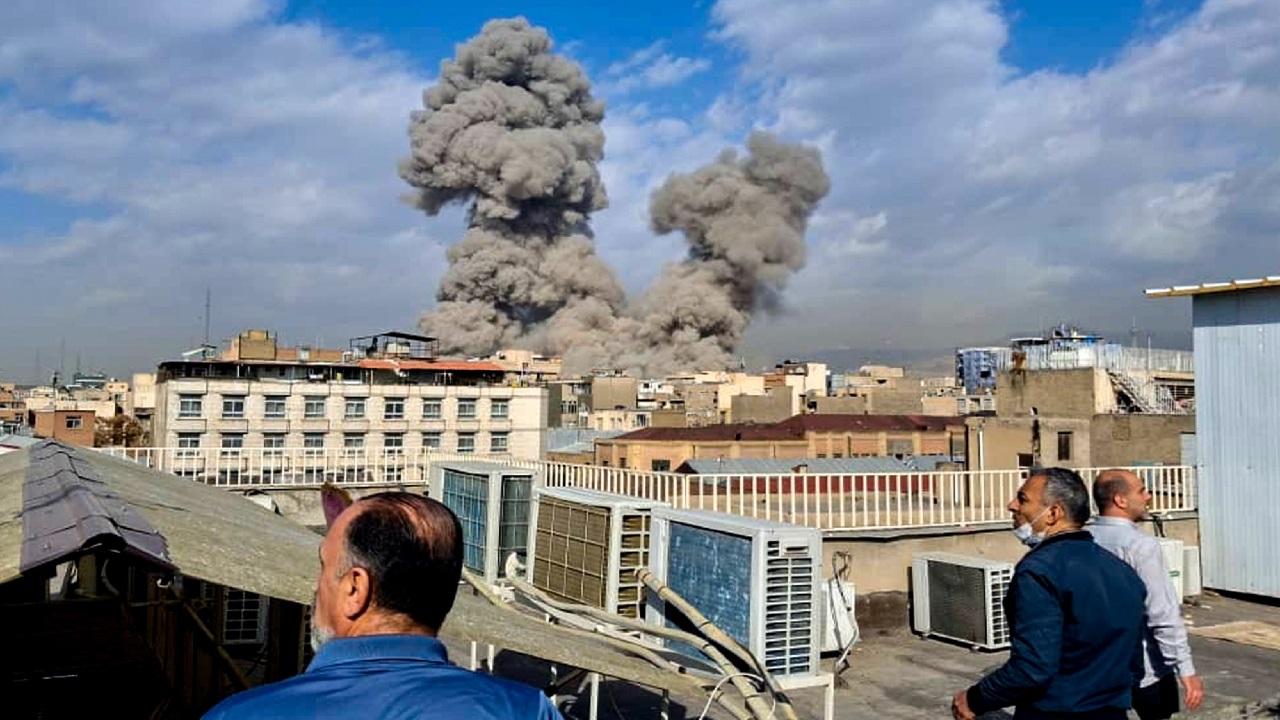
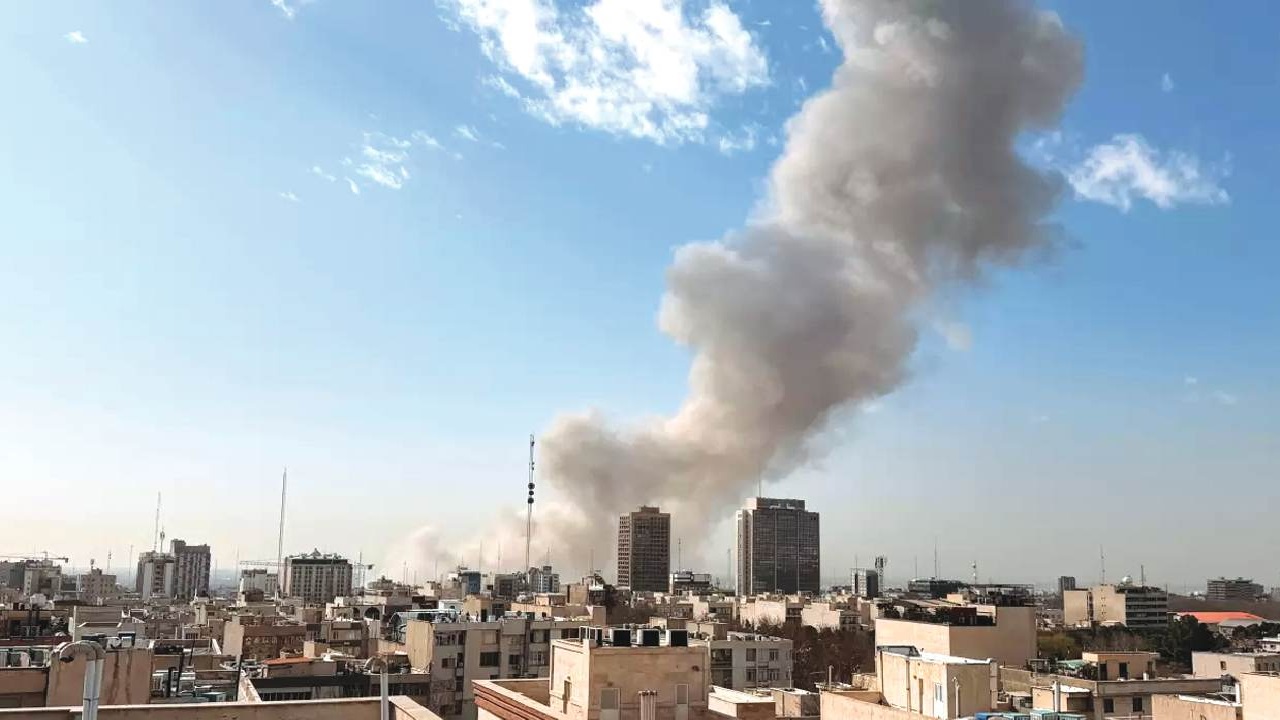
After enduring more than 450 missile strikes and over 2,000 drone attacks, the United Arab Emirates finds itself at the center of Iran’s regional retaliation. Critical sites—from Dubai’s international airport to strategic economic landmarks like Jebel Ali port—have been targeted or threatened. Yet despite the scale and persistence of these attacks, the UAE has refrained from entering a direct war with Tehran. This restraint is not accidental; it reflects a calculated strategy shaped by geography, economics, and hard-earned lessons from past conflicts.
Why Iran Has Targeted the UAE
Iran’s focus on the UAE stems largely from its strategic positioning. The Emirates host key US military facilities, including Al Dhafra Air Base, making it a proxy battleground where Tehran can challenge American and allied influence without striking US territory directly. By targeting high-visibility economic and civilian hubs, Iran is sending a clear message: regional partners facilitating US–Israeli operations will face tangible consequences.
However, this hostility exists alongside deep interdependence. The UAE remains one of Iran’s largest trading partners, with billions of dollars in annual trade flowing through Dubai. The city serves as a vital commercial and financial gateway for Iran, especially under sanctions. Additionally, a significant Iranian diaspora lives and works in the UAE, embedding long-standing social and economic ties. This duality—conflict layered over cooperation—complicates any move toward full-scale war.
Strategic Restraint Over Escalation
The UAE’s reluctance to engage militarily with Iran is rooted in pragmatic considerations. First and foremost is the priority of economic stability. The UAE’s global standing depends on its reputation as a secure trade and investment hub. A direct war with Iran would jeopardize this model, potentially disrupting trade routes, damaging infrastructure, and undermining investor confidence.
Past experiences also weigh heavily. The UAE’s involvement in Yemen exposed the risks of prolonged conflict, including retaliatory strikes on its own territory with limited strategic gains. A confrontation with Iran—far more capable and geographically closer—would likely be far more destructive.
Moreover, the UAE’s approach to regional security is inherently transactional. Rather than pursuing ideological confrontation, it combines defensive capabilities with diplomatic engagement. Even amid ongoing attacks, Abu Dhabi has maintained communication channels with Tehran, seeking to manage escalation and avoid miscalculation.
The Coalition Approach and Hormuz Strategy
Instead of unilateral military action, the UAE is advocating for a multilateral approach focused on securing the Strait of Hormuz—a critical artery for global energy flows. By supporting a potential international coalition, the UAE can contribute to maritime security operations such as mine-clearing and tanker escorts without directly engaging in offensive operations against Iran.
This strategy offers multiple advantages. It frames the UAE’s role as defending global commerce rather than waging war, distributes the military burden among allies, and reduces the political risks associated with direct confrontation. At the same time, it allows the UAE to benefit indirectly from pressure on Iran while avoiding the costs of escalation.
Calculated Resilience in a Volatile Region
The UAE’s response to sustained Iranian attacks highlights a broader shift in how regional powers navigate conflict. Rather than matching escalation with escalation, Abu Dhabi is pursuing a strategy of resilience—absorbing attacks through advanced air defenses, leveraging alliances, and maintaining economic continuity.
This approach underscores a key reality: in an interconnected region, outright war can be more damaging than strategic restraint. By avoiding direct confrontation while safeguarding its interests, the UAE is betting that stability, even under pressure, is more valuable than victory in a destructive conflict.
(With agency inputs)