


A Critical Voyage Through Conflict Waters
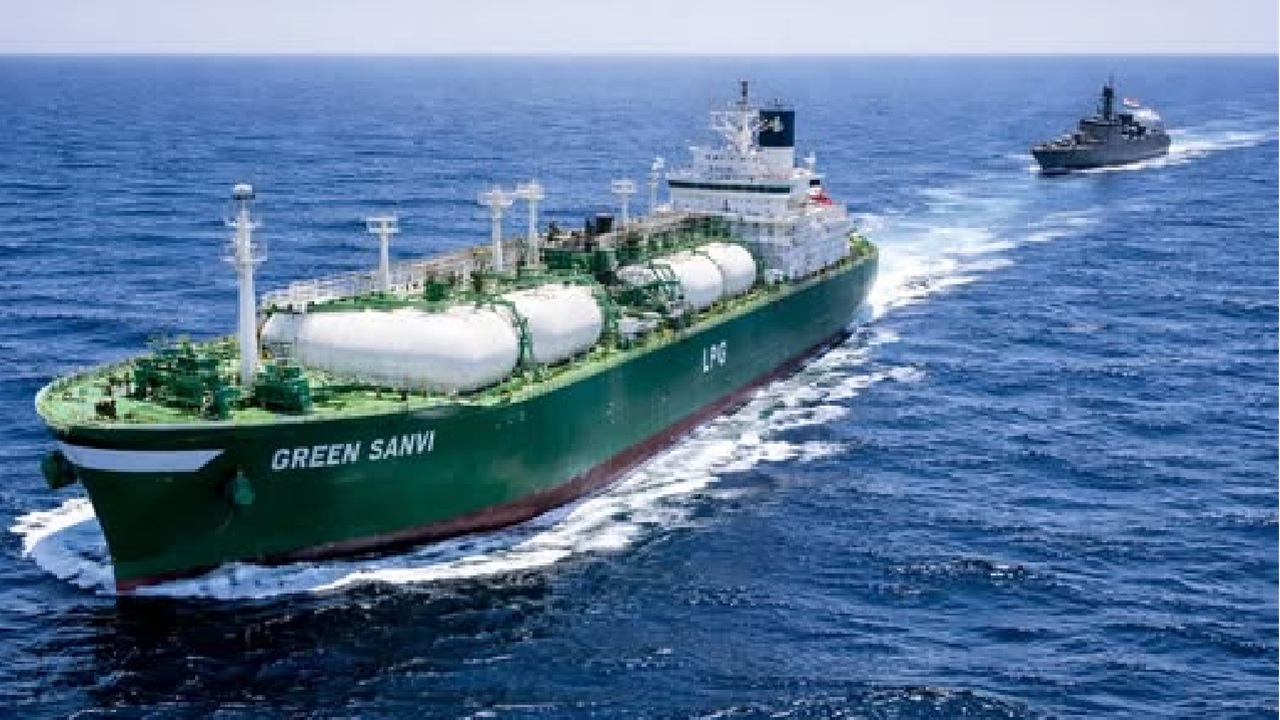
The successful transit of India’s eighth LPG carrier, Green Sanvi, through the Strait of Hormuz underscores a crucial development amid the escalating West Asia crisis. Carrying over 46,000 metric tonnes of LPG, the vessel is now en route to India with BPCL as the buyer, marking another milestone in New Delhi’s efforts to safeguard its energy lifelines. As tensions involving Iran, the US, and Israel disrupt one of the world’s most critical maritime chokepoints, India’s ability to maintain uninterrupted LPG flows reflects a coordinated and multi-layered strategy.
Sustaining LPG Flows in a War Zone
Green Sanvi’s journey is part of a broader, carefully managed operation to ensure the steady movement of LPG through volatile waters. Earlier shipments by Jag Vasant and Pine Gas delivered nearly 92,000 tonnes of LPG to Indian ports such as Kandla and New Mangalore, roughly meeting a full day of national demand. Additional vessels, including Green Asha and Jag Vikram, remain positioned west of Hormuz, awaiting clearance as authorities stagger movements to reduce risk exposure.
Other carriers like BW Tyr and BW Elm have also completed successful voyages, delivering approximately 94,000 tonnes from the UAE. Meanwhile, ships such as Shivalik, Nanda Devi, Apollo Ocean, and Pine Gas have navigated the strait under Indian Navy escort. This consistent pattern reflects not isolated operations but a sustained convoy-style mechanism designed to ensure continuity under threat.
Why the Strait of Hormuz is Vital for India
India’s dependence on the Strait of Hormuz is structural and significant. Around 60 percent of the country’s LPG consumption is met through imports, and nearly 90 percent of these supplies pass through this narrow waterway. Any disruption here directly impacts household energy availability, with potential consequences ranging from supply shortages to increased subsidy burdens and domestic political pressure.
To mitigate these risks, Indian vessels are navigating along relatively safer corridors, often near specific Iranian islands, under close coordination with maritime authorities and naval units. This tactical routing reduces exposure to conflict zones while maintaining shipment timelines.
A Multi-Pronged Strategy: Security, Diplomacy, and Diversification
India’s response combines military preparedness, diplomatic engagement, and supply chain management. The Indian Navy has maintained continuous operations in the region, escorting vessels, conducting surveillance patrols, and coordinating closely with shipping companies to optimise transit schedules.
On the diplomatic front, New Delhi has engaged directly with Tehran to secure limited transit assurances, with high-level interventions ensuring that Indian energy cargoes are not obstructed. Simultaneously, India has balanced its domestic supply by prioritising household LPG consumption, adjusting industrial allocations, and leveraging existing reserves.
Efforts are also underway to diversify supply sources. Increased reliance on suppliers from the UAE and Saudi Arabia, along with potential expansion toward African and US markets, reflects a long-term strategy to reduce overdependence on a single chokepoint.
Energy Security Beyond Supply Chains
The Green Sanvi episode highlights a fundamental shift in how energy security is defined and managed. It is no longer limited to procurement contracts or storage capacity but extends to maritime security, geopolitical negotiation, and real-time logistical coordination.
India’s approach demonstrates that ensuring uninterrupted energy access in today’s volatile environment requires a blend of naval capability, diplomatic agility, and strategic foresight. As global conflicts increasingly intersect with critical supply routes, the ability to secure and sustain such flows will remain central to national resilience.
(With agency inputs)