



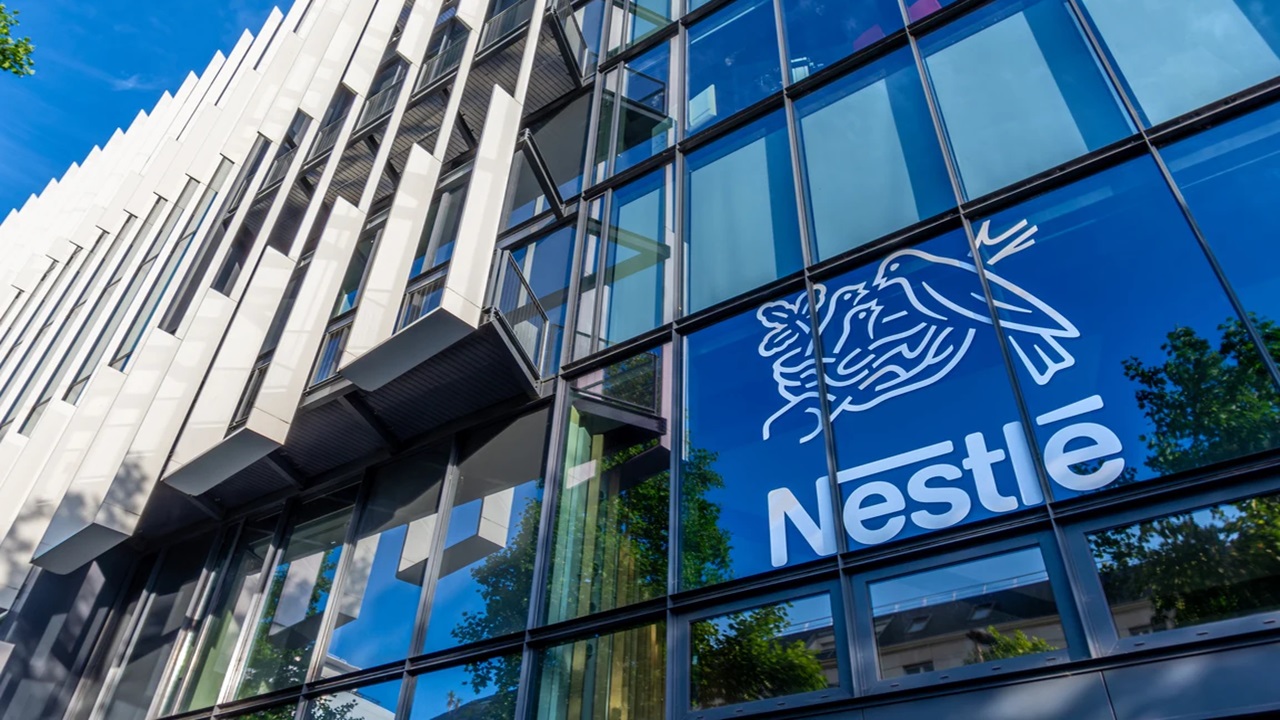
Nestle’s Global Footprint and Market Presence
Nestle, the Swiss food and beverage powerhouse, is a household name across continents. From Nespresso coffee to Kit Kat chocolates, Perrier water to Purina pet food, the company boasts a portfolio of over 2,000 brands catering to millions of consumers worldwide. Its products have long symbolized quality and reliability, making Nestle a dominant player in the global FMCG sector.
However, in the face of changing market dynamics and internal turbulence, the company has announced a significant workforce reduction, signaling a new chapter under its recently appointed CEO, Philipp Navratil.
The Job Cuts: Streamlining for Growth
On October 16, 2025, Nestle declared plans to eliminate 16,000 jobs globally over the next two years. Of these, 12,000 white-collar positions are targeted, expected to save the company one billion Swiss francs, doubling previous projections. An additional 4,000 roles in production and supply chain operations are already being phased out.
Navratil, who assumed the CEO role in early September, described the move as “hard but necessary”, emphasizing the need to adapt rapidly to evolving market conditions. He stated: “The world is changing, and Nestle needs to change faster.” The layoffs are part of a broader transformation plan aimed at achieving three billion Swiss francs in cost savings by 2027, up from the earlier target of 2.5 billion.
Financial Context: Pressures and Performance
The announcement coincided with the release of Nestle’s nine-month financial figures. Total sales fell 1.9% to 65.9 billion Swiss francs ($83 billion), while organic sales growth reached 3.3%, largely propelled by price increases of 2.8%. Analysts suggest that these numbers reflect both broader economic pressures and the impact of Nestle’s ongoing restructuring efforts.
Nestle India, the company’s Indian subsidiary, mirrored these challenges, reporting a 17% decline in consolidated net profit for Q2 FY26, amounting to Rs 743 crore, signaling that the global strategy will have far-reaching implications for local operations as well.
Leadership Changes and Challenges
Navratil inherits a company navigating internal upheavals and reputational pressures. The previous CEO was dismissed in September over an office relationship, and the chairman resigned earlier than expected. Adding to the turmoil, a bottled water scandal in France, which began in 2024, has cast a shadow over Nestle’s reputation.
Despite these challenges, analysts remain optimistic that Navratil’s dual focus on cost efficiency and growth in high-margin segments can stabilize operations and restore investor confidence. His strategy targets emerging markets and premium product lines, balancing operational streamlining with revenue growth initiatives.
A Delicate Balancing Act
Nestle’s decision to cut 16,000 jobs globally underscores the pressures facing even the world’s most established FMCG giants. While workforce reductions are always difficult, the move is designed to streamline operations, control costs, and support long-term growth in a competitive and rapidly evolving market.
Under Philipp Navratil, Nestle aims to reconcile operational efficiency with strategic innovation, ensuring that its global footprint — spanning food, beverages, and pet care — remains resilient. For a company synonymous with reliability, this transformation is not just about numbers, but about reinventing its path for the future.
(With agency inputs)