



TTP at the Heart of Renewed Pakistan–Afghanistan Tensions
The fragile peace along the Pakistan–Afghanistan border has once again crumbled under the weight of extremist violence. The latest blow came on Friday (October 17) when a suicide bombing by the Tehreek-e-Taliban Pakistan (TTP) ripped through a security forces camp in Mir Ali, North Waziristan — a region long plagued by militancy.
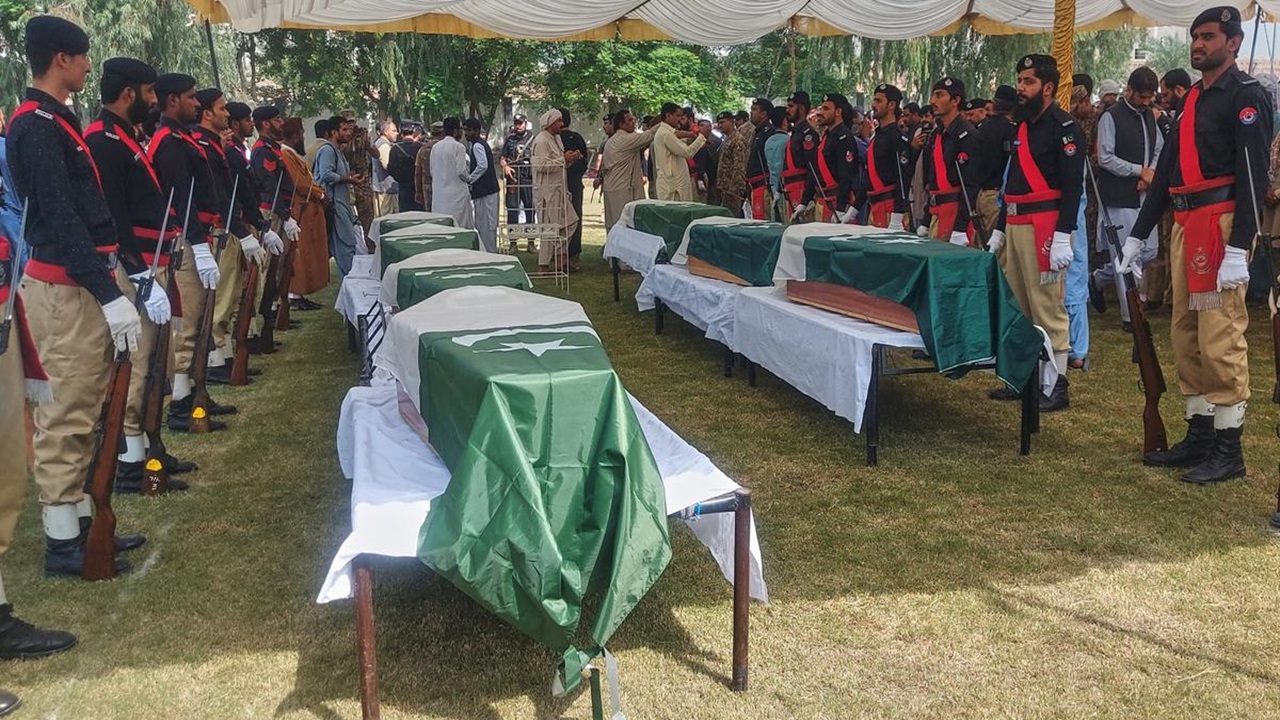
The attack, which killed seven Pakistani soldiers and injured 13 others, marks one of the deadliest incidents since a tenuous ceasefire was announced between Islamabad and Kabul earlier this week. It underscores how the TTP, operating from sanctuaries along the Afghan frontier, continues to be the central destabilizing force between the two uneasy neighbours.
The Attack: A Coordinated Strike on Pakistani Forces
According to police and military sources, the assault began when a suicide car bomber rammed an explosives-laden vehicle into the perimeter wall of the military camp in Mir Ali, close to the Durand Line — the disputed border separating Pakistan and Afghanistan. The blast triggered a fierce exchange of gunfire as three additional militants tried to breach the compound.
Security officials said the Tehreek-e-Taliban Pakistan claimed responsibility through its “Khalid bin Waleed suicide unit,” in coordination with Tehreek Taliban Gulbahadar, another militant faction. The explosion was so massive that it damaged several nearby houses, while videos circulating online showed dark plumes of smoke billowing into the air as attack helicopters circled overhead.
Military reinforcements were rushed to the area as clashes continued for several hours. “It was a coordinated suicide attack — one of the most serious in recent months,” a senior Pakistani official told local media.
A Ceasefire in Tatters
The timing of the assault was especially significant. It came just hours before Pakistan and Afghanistan were scheduled to begin peace talks in Doha, aimed at calming escalating cross-border hostilities. The two countries had agreed on a temporary ceasefire on Wednesday following days of intense shelling that left dozens dead.
Pakistan’s Foreign Office claimed that the truce was requested by the Afghan Taliban, who have faced increasing pressure to rein in the TTP, their ideological cousins. However, the latest attack has dealt a heavy blow to those diplomatic efforts, reviving fears of another prolonged conflict along the border.
TTP’s Shadow Looms Large
Formed in 2007, the Tehreek-e-Taliban Pakistan is an umbrella organization of militant groups seeking to overthrow the Pakistani state and impose their version of Islamic law. Though driven out of many tribal areas by military operations, the group found safe haven in Afghanistan after the Taliban’s return to power in 2021, reigniting Pakistan’s worst security nightmare.
Recent months have seen a surge in TTP-linked violence across Khyber Pakhtunkhwa and Balochistan, targeting military convoys, police stations, and border posts. Pakistan accuses Kabul of allowing the group to operate freely — a charge the Afghan Taliban denies.
A Region on the Brink
The attack in Mir Ali, coupled with another roadside explosion in Bajaur, highlights how fragile the security situation remains despite repeated pledges of cooperation. Analysts warn that unless both nations act decisively against cross-border militancy, the region risks sliding into another cycle of retaliation and instability.
For Pakistan, the assault serves as a grim reminder that despite years of counterterrorism campaigns, the TTP’s network remains deeply entrenched. For Afghanistan, it is a test of credibility — whether it can prevent its soil from being used to export terror.
Until both sides confront this shared threat head-on, peace along the Durand Line will remain an elusive dream.
(With agency inputs)