Ayodhya’s Evolving Spiritual Landscape
The sacred city of Ayodhya, home to the newly built Shri Ram Janmabhoomi Mandir, is set to add another feather to its cultural crown—a Ramayana-themed wax museum, the first of its kind in the world. Designed to bring the timeless epic to life, this grand project aims to merge spirituality with artistry, offering visitors an immersive journey into the life and legacy of Lord Ram. Scheduled to be inaugurated by Uttar Pradesh Chief Minister Yogi Adityanath during Deepotsav 2025, the museum reflects the state’s vision of transforming Ayodhya into a global spiritual tourism hub.
A Monumental Tribute to the Ramayana
Spread across 10,000 square feet on the Parikrama Path near the Ram temple, the museum is being developed at an estimated cost of ₹7.5 crore. It will feature 50 intricately designed wax figures of key characters from the Ramayana—Lord Ram, Sita, Lakshman, Bharat, Hanuman, Ravana, and Vibhishan, among others.
Each sculpture, meticulously crafted to capture emotion and expression, promises to evoke the divine aura of Treta Yuga. Executed by the Sunil Wax Museum—a Kerala-based company known for its celebrity wax museums in Lonavala and Thiruvananthapuram—the project seamlessly blends art, devotion, and innovation.
The structure itself follows the traditional South Indian architectural style, harmonizing with Ayodhya’s spiritual ambiance while introducing a new dimension of visual storytelling.
Inside the Museum: A Journey Through the Epic
The museum’s design follows the chronological flow of the Ramayana, guiding visitors through its most defining chapters.
· Ground Floor: Depicts Lord Ram’s childhood in Ayodhya, his marriage to Sita, and the early years of the epic. A special selfie point featuring a wax statue of Ram Lalla will allow devotees to capture cherished moments with the deity.
· First Floor: Chronicles the dramatic phases of the exile, Sita’s abduction by Ravana, the burning of Lanka, and the final victory of good over evil in the climactic battle.
To heighten realism, the museum incorporates 3D light effects, surround soundscapes, and a fragrant environment reminiscent of ancient Ayodhya. The air will carry the chanting of Ram Tarak Mantra and devotional bhajans, creating a multisensory spiritual experience for every visitor.
Modern Comforts and Cultural Experience
Situated along the Chaudah Kosi Parikrama route, opposite Kashiram Colony, the facility is designed for both comfort and safety. Entry will cost ₹100 per person, with only 100 visitors allowed at a time to maintain an intimate experience. The air-conditioned interiors will be maintained at 22°C, supported by 24×7 security, CCTV surveillance, fire safety systems, and four emergency exits.
Outside the museum, the space will feature a dedicated parking zone, snack areas, a studio coffee house, and a food court offering both North and South Indian cuisines—ensuring visitors enjoy both spiritual fulfilment and leisure.
Ayodhya Municipal Commissioner Jayendra Kumar confirmed that construction is progressing swiftly under strict supervision. Divisional Commissioner Rajesh Kumar described the museum as a project that “will give a new dimension to Ayodhya’s cultural heritage.”
The museum will be jointly operated with the Ayodhya Municipal Corporation, which will receive 12% of total revenue generated from ticket sales.
A Fusion of Faith, Art, and Innovation
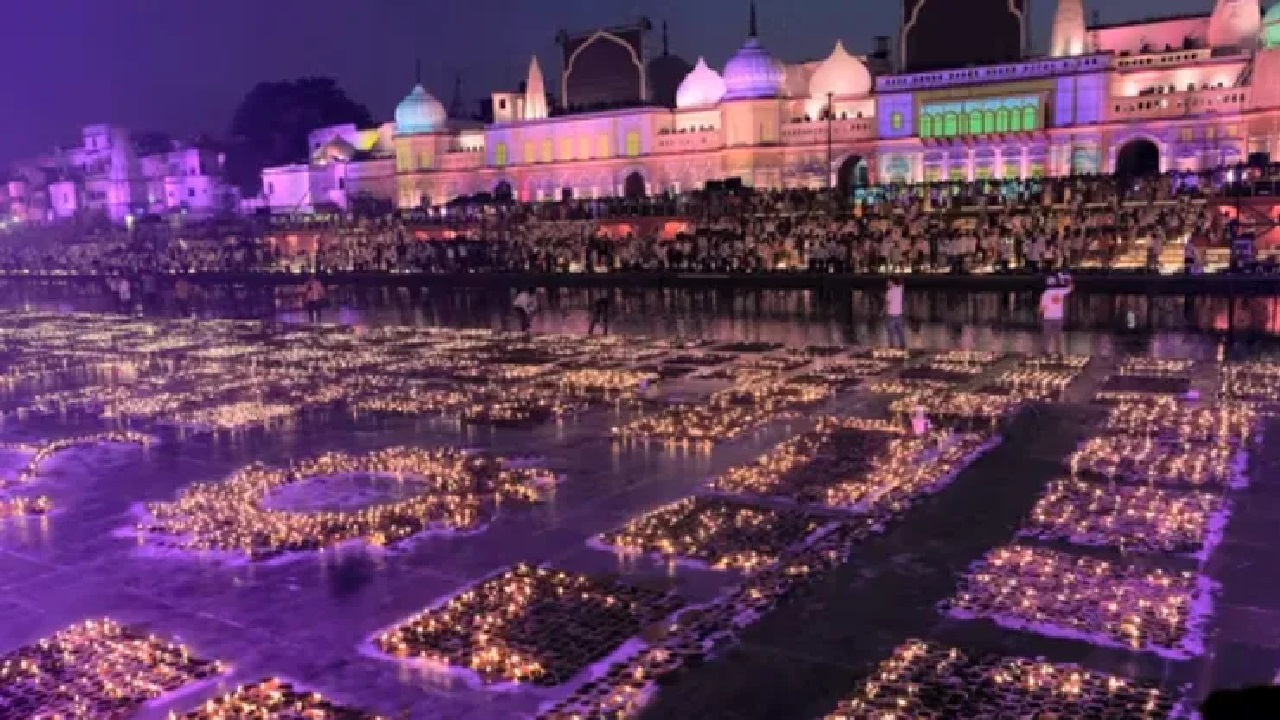
As the Deepotsav 2025 celebrations light up Ayodhya from October 28 to 31, the inauguration of the Ramayana Wax Museum will mark a defining moment in the city’s evolving cultural landscape. More than just a tourist attraction, it represents the fusion of devotion and creativity, transforming mythology into a living, interactive experience.
By immortalizing the heroes of the Ramayana in wax, Ayodhya not only preserves its sacred heritage but also extends an invitation to the world—to witness faith rendered in art and history reborn in light.
(With agency inputs)