Border Tensions Ignite a War of Words
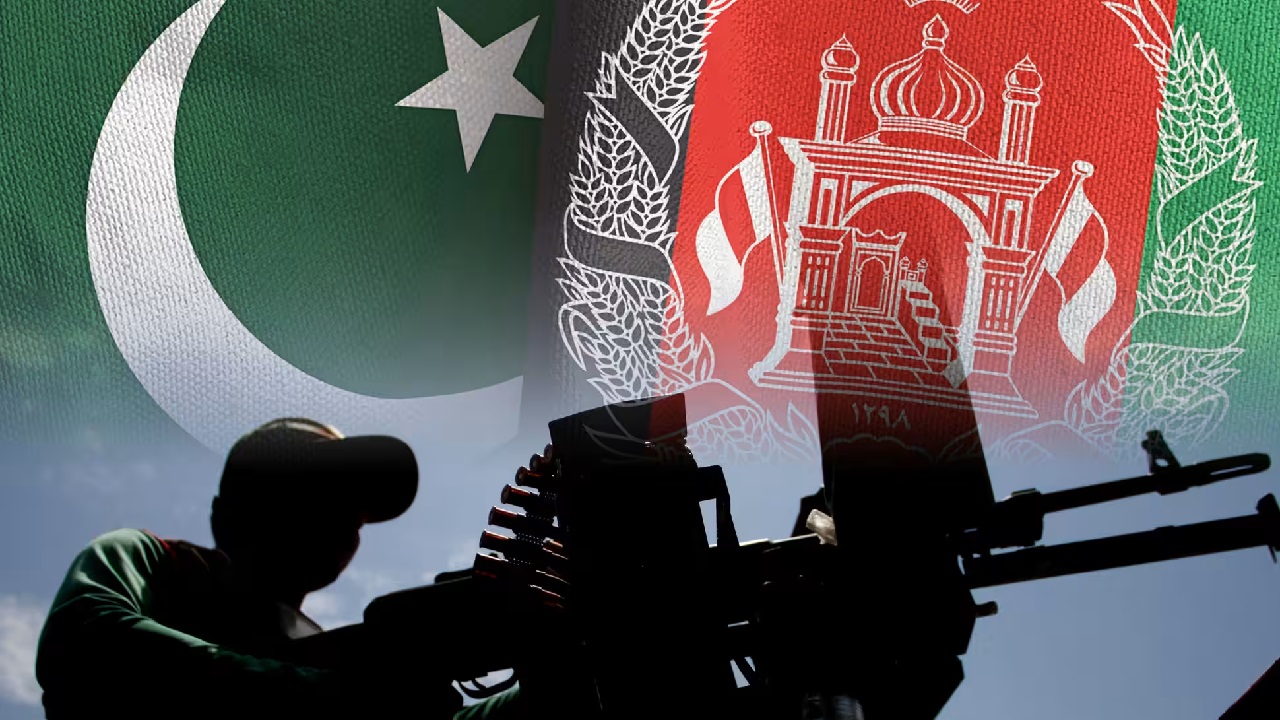
The already fraught relationship between Afghanistan and Pakistan has flared once again, this time over accusations of Indian interference in recent border clashes. Islamabad’s claim that New Delhi was secretly backing the Taliban in a proxy war has triggered sharp denials from both Kabul and Delhi, deepening mistrust across South Asia. As the two neighbors exchange diplomatic barbs, the incident underscores the fragile security landscape of the region—where history, suspicion, and political insecurity often collide.
Violence erupted along the Afghanistan–Pakistan border on October 11, days after explosions shook Kabul during the visit of Afghan Foreign Minister Amir Khan Muttaqi to India. Pakistan quickly blamed India for stoking the conflict, but Kabul has branded these allegations as nothing more than political posturing.
Kabul’s Firm Response: “Our Policy Is Based on Peace, Not Proxy Wars”
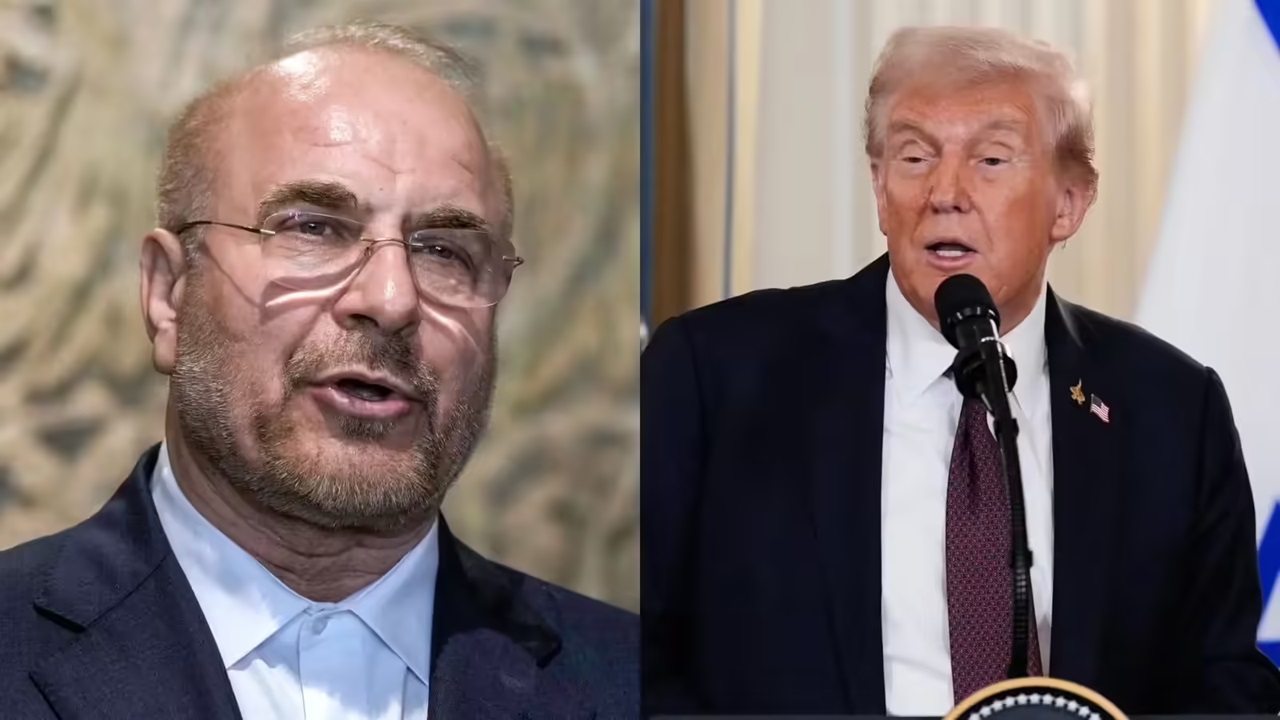
Afghanistan’s Defence Minister Mawlawi Mohammad Yaqoob Mujahid swiftly rejected Islamabad’s assertions in an interview with Al Jazeera, calling them “unfounded, illogical, and unacceptable.” He insisted that Afghanistan makes independent foreign policy decisions and would “never allow its soil to be used against any country.”
Mujahid emphasized that the Taliban-led government remains focused on stability, security, and regional cooperation, distancing itself from accusations of playing into any nation’s agenda. “Claims of Indian involvement are baseless distractions that serve no purpose other than to derail peace,” he remarked.
The defence minister also highlighted Kabul’s desire to strengthen ties with both India and Pakistan, but on the foundation of national interest and mutual respect. “Afghanistan’s commitment to peace must not be misrepresented,” he said, signaling that the Taliban administration seeks legitimacy through diplomacy, not conflict.
Islamabad’s Accusations: Blame Amid Rising Instability
In stark contrast, Pakistan’s Defence Minister Khawaja Asif accused the Taliban leadership of “sitting in India’s lap” and fighting a “proxy war” on behalf of New Delhi. He warned that continued “provocations” could lead to severe consequences.
Observers, however, have described these remarks as a diversionary tactic, aimed at shifting public attention from Pakistan’s internal crises—economic stagnation, political infighting, and escalating militancy. Analysts argue that Islamabad’s rhetoric reflects frustration over its eroding influence in Kabul since the Taliban’s return to power in 2021.
India’s Strong Rebuttal: “Old Habit of Blaming Others”
New Delhi, too, has dismissed Pakistan’s narrative as fabricated and politically motivated. India’s Ministry of External Affairs spokesperson Randhir Jaiswal said, “It is Pakistan’s old practice to blame others for its own internal failures.”
Jaiswal reiterated India’s unwavering commitment to Afghanistan’s sovereignty and territorial integrity, while condemning Pakistan for “hosting and sponsoring terrorist organizations.” He noted that Pakistan’s frustration stems from Afghanistan asserting control over its own territories, a sign that the new Kabul administration is no longer dependent on Islamabad’s approval.
Evolving Diplomatic Equations: Afghanistan’s Balancing Act
Despite the lack of formal recognition, India’s engagement with Afghanistan has been cautiously growing. Foreign Minister Muttaqi’s recent visit to New Delhi marked a potential thaw, with discussions centered on economic cooperation, humanitarian aid, and regional stability.
India’s decision to reopen its embassy in Kabul further signaled a pragmatic approach to engaging the Taliban government—while balancing ties with other regional powers. Meanwhile, relations with Pakistan remain tense, as both sides continue to accuse each other of harbouring militants and undermining border security.
For Kabul, the challenge lies in maintaining neutrality—strengthening partnerships without becoming a pawn in regional rivalries. For Islamabad, the real test is confronting its domestic instability rather than projecting blame outward.
The Need for Restraint and Regional Responsibility
The latest diplomatic spat between Afghanistan and Pakistan reflects a broader pattern of mistrust that has long hindered South Asia’s path to stability. By accusing India of interference, Islamabad risks alienating both its neighbor and a rising regional power. Kabul’s insistence on sovereignty, meanwhile, highlights its determination to forge an independent identity free from external manipulation.
Moving forward, the region’s future depends on mutual restraint, dialogue, and respect for sovereignty—not cycles of accusation and retaliation. As Kabul pointedly stated, “The future of the region belongs to those who choose cooperation over confrontation.” That vision, if embraced by all three capitals—Kabul, Islamabad, and New Delhi—could finally replace suspicion with stability in a region that desperately needs both.
(With agency inputs)