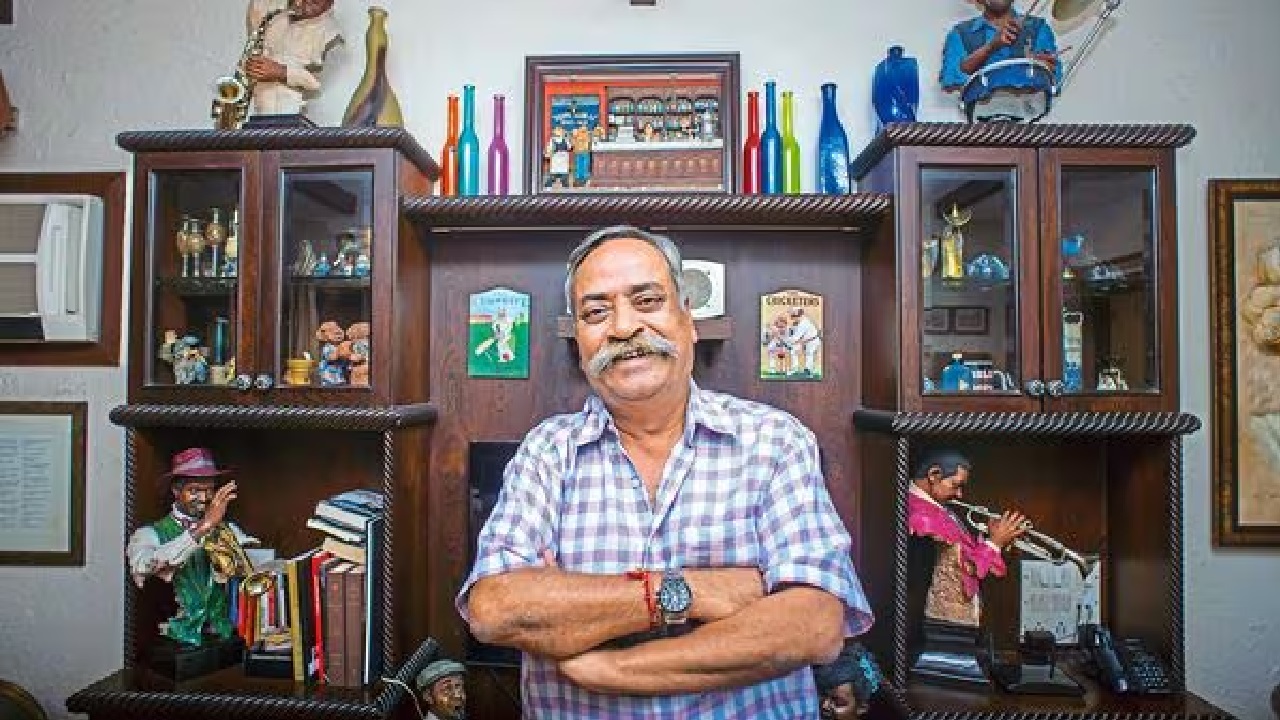
The Curtain Falls on an Advertising Luminary
The world of Indian advertising lost one of its most celebrated storytellers on October 23, 2025. Piyush Pandey, the man whose imagination gave Indian advertising a heartbeat and a homegrown identity, passed away in Mumbai at the age of 70. A Padma Shri awardee and former Global Chief Creative Officer of Ogilvy, Pandey’s passing marks the end of a golden era—one where commercials were more than sales pitches; they were slices of Indian life told with humor, warmth, and truth. His was not just a career—it was a chronicle of how India found its own creative voice.
From the Cricket Field to Creative Frontlines
Born in Jaipur in 1955 into a family that celebrated learning, art, and sport, Piyush Pandey’s beginnings were as colourful as the campaigns he would later craft. A history graduate from St. Stephen’s College, Delhi, and a Ranji Trophy player for Rajasthan, he often said cricket taught him teamwork and strategy—skills he would later channel into advertising. Before finding his true calling, he tried his hand as a tea taster and even worked in construction.
In 1982, Pandey joined Ogilvy & Mather as a client servicing executive—a seemingly modest beginning that would, within a few years, reshape Indian advertising. By 1988, he had climbed the ranks to become National Creative Director, and soon after, Executive Chairman and Global Chief Creative Officer.
Pandey’s true revolution was philosophical: he replaced imitation with authenticity. At a time when Indian ads borrowed Western imagery and diction, he injected “Indianness” into the narrative—everyday people, local humor, and real emotion. “If it doesn’t sound like the language of the street, it’s not speaking to India,” he once said. That conviction changed how a billion people saw themselves reflected on screen.
The Architect of India’s Most Loved Campaigns
Pandey’s portfolio reads like a cultural anthology of India’s emotions, dreams, and quirks. His creations didn’t just sell products; they sold pride, laughter, and nostalgia.
· Fevicol – “Fevicol ka jod hai, tootega nahi”: A rustic gem that used humor and simplicity to symbolize unbreakable bonds. The image of an overstuffed bus became an eternal metaphor for togetherness.
· Asian Paints – “Har Ghar Kuch Kehta Hai”: This campaign gave homes a voice, turning walls into storytellers of family memories.
· Cadbury Dairy Milk – “Kuch Khaas Hai Zindagi Mein”: The exuberant girl dancing on a cricket field reimagined chocolate as joy unbound—a treat for grown-ups too.
· Hamara Bajaj: More than a commercial, it was an anthem of national pride during India’s liberalization era.
· Pulse Polio – “Do Boond Zindagi Ke”: Advertising at its noblest—a message that changed public behavior and helped eradicate a disease.
· BJP’s 2014 Campaign – “Abki Baar Modi Sarkar”: Short, catchy, and unforgettable—proof that Pandey understood the power of language in shaping sentiment.
· Hutch/Vodafone – “You and I in This Beautiful World”: With the adorable pug Cheeka, he turned connectivity into companionship.
From “Googly Woogly Woosh” for Pond’s to “Har Ek Friend Zaroori Hota Hai” for Airtel, every line carried his unmistakable stamp—humor wrapped in heart.
Leadership, Mentorship, and the Ogilvy Legacy
Under Pandey’s stewardship, Ogilvy India became the country’s most decorated creative powerhouse, leading The Economic Times Agency Reckoner for twelve consecutive years. His influence extended globally—he was the first Asian Jury President at Cannes Lions and received the London International Awards’ Legend Honor in 2024.
But what colleagues remember most is his generosity. To many young ad professionals, he was a mentor who taught them to listen to the consumer before the client. With his signature moustache and booming laughter, he embodied the belief that creativity thrives where empathy lives.
The Storyteller Who Made Ads Feel Like Home
Piyush Pandey once said, “A great ad is one your grandmother understands and your child hums.” That philosophy summed up his genius—bridging generations through stories rooted in familiarity and feeling. He turned commercials into folklore and transformed consumers into communities.
As India mourns his loss, it also celebrates a legacy that taught an entire industry to speak from the heart. Piyush Pandey may have left the stage, but his words, wit, and warmth continue to echo—reminding us that the truest stories are the ones that make us see ourselves.
(With agency inputs)