A Partnership on Pause
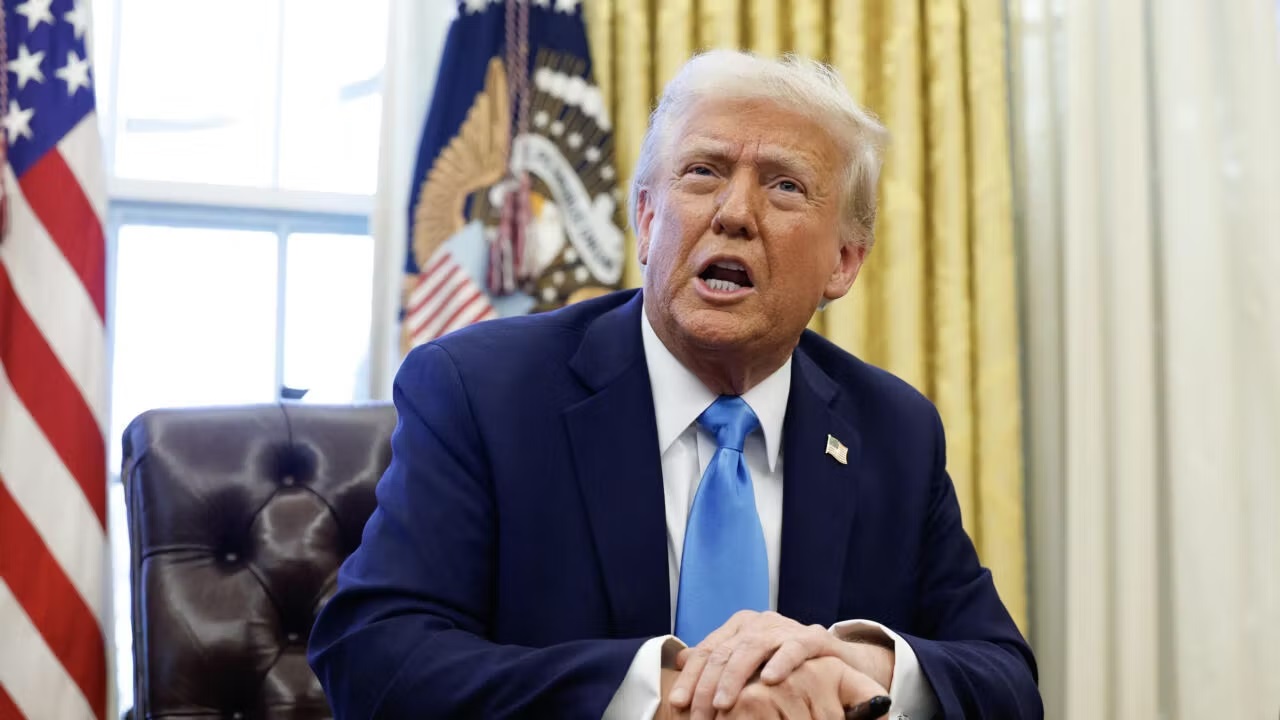
In a stunning turn for one of the world’s most reliable trade relationships, U.S. President Donald Trump abruptly announced the termination of all trade negotiations with Canada, igniting fresh tensions across North America. The move, made public via Trump’s Truth Social post late Thursday, came after he accused Canada of airing a “fraudulent” anti-tariff advertisement that allegedly doctored footage of former U.S. President Ronald Reagan. The fallout has rippled through Washington, Ottawa, and the broader business community, as both countries grapple with the implications of this diplomatic and economic rupture.
The Spark That Ignited the Break
The controversy centers on a high-budget television ad reportedly commissioned by Ontario’s provincial government at a cost of $75 million. The ad used archival footage of Ronald Reagan warning against the dangers of protectionism in the 1980s — a clear critique of Washington’s recent tariff regime. Trump, however, accused Ottawa of digitally manipulating the footage to make it appear as though Reagan was condemning his current trade policies.
“The Ronald Reagan Foundation has confirmed that Canada’s advertisement is FAKE,” Trump wrote, announcing an immediate end to trade talks. “We cannot allow fraudulent behavior from a supposed ally.”
Canadian Prime Minister Mark Carney swiftly rejected the accusation, calling it “absurd and tragicomic.” He clarified that the footage was legally licensed and unaltered, drawn from a verified public speech. “There was no deception — only a reminder that economic cooperation, not tariffs, strengthens nations,” Carney said in Toronto.
Tariffs and Tensions: The Backdrop
This diplomatic clash unfolds against the backdrop of a widening trade war that has strained U.S.–Canada relations since early 2025. Under Trump’s “America First Fair Tariff Framework,” Washington imposed a 25% blanket tariff on Canadian imports — except for oil and energy, which were taxed at 10%. Ottawa immediately retaliated with reciprocal duties on $30 billion worth of U.S. goods, effectively reigniting the kind of tariff battle not seen since the 1930s.
The Ontario advertisement — aired on major U.S. networks including CNN and Fox News — questioned the rationale behind taxing goods between long-standing allies. While Canadian officials defended the campaign as “informational diplomacy,” right-wing commentators in the U.S. condemned it as foreign interference in American economic policy.
Trade analyst Jeremy Adler from the Peterson Institute warned that the episode “pushes North America into its most unpredictable trade environment since NAFTA’s creation.”
Economic Stakes and Market Impact
The stakes are massive. The U.S. exports over $320 billion in goods to Canada each year, while nearly three-quarters of Canadian exports enter the American market. The abrupt suspension of talks could upend supply chains that knit together industries across borders — from automobiles and steel to aerospace and agriculture.
Analysts caution that even a short-term disruption could trigger production delays, price hikes, and job losses in manufacturing hubs on both sides of the border. Canada’s Finance Ministry described the decision as “an irrational escalation”, estimating that tens of thousands of jobs could be at risk if trade negotiations remain frozen.
Meanwhile, U.S. business groups, including the American Chamber of Commerce, have urged the White House to “de-escalate rhetoric” and resume dialogue, warning that trade instability could undermine investor confidence just as North America’s post-pandemic recovery gains traction.
Political and Diplomatic Fallout
Inside the White House, officials offered few details on whether Trump’s decision applies only to ongoing tariff talks or to future amendments to the U.S.–Mexico–Canada Agreement (USMCA). Insiders suggest that Trump’s move is consistent with his broader 2025 agenda of “decoupling from unreliable partners.”
Canada, for its part, is exploring alternative routes. Ottawa may seek European or IMF mediation to restore dialogue, though Carney’s office confirmed that no backchannel discussions with Washington are currently underway.
The timing could hardly be worse: energy cooperation, environmental standards, and joint projects on electric vehicle supply chains — all under negotiation before the fallout — are now in limbo.
A Trade Relationship at the Crossroads
The storm over a single advertisement might seem trivial, but its implications run deep. It exposes the fragility of what was once North America’s most dependable economic partnership. Beyond the accusations and rhetoric, the suspension of trade talks underscores how politics of perception can derail decades of trust and interdependence.
As President Trump doubles down on his protectionist stance and Canada braces for economic fallout, the future of continental trade hangs in the balance. What was once a shared vision of prosperity under NAFTA and USMCA now risks dissolving into nationalist isolation.
In the end, this isn’t merely about tariffs or television — it’s about whether two neighbors, bound by geography and history, can still find common ground when diplomacy becomes a casualty of pride.
(With agency inputs)