A Fragile Truce on Shaky Ground
South Asia once again finds itself caught in a web of suspicion and recrimination following the dramatic breakdown of peace negotiations between Pakistan and Afghanistan’s Taliban-led government in Istanbul. What was supposed to be a step toward stability instead deepened divisions. Despite recent optimism sparked by a temporary ceasefire and mediation from Turkey and Qatar, the four-day dialogue ended without progress—only accusations. Pakistan’s Defence Minister Khawaja Asif publicly charged that India sabotaged the process by manipulating Kabul as a regional “proxy,” a claim rejected outright by both New Delhi and the Taliban administration.
The aftermath leaves the region teetering between diplomacy and renewed confrontation, as border tensions and political posturing push the fragile ceasefire to the brink.
The Breakdown in Istanbul: Talks That Unraveled
The Istanbul negotiations came on the heels of a brief ceasefire achieved in Doha on October 19, after violent border clashes that killed soldiers and civilians on both sides. But goodwill evaporated quickly once talks began.
Pakistan pressed the Taliban to curb Tehrik-i-Taliban Pakistan (TTP) fighters, whom Islamabad accuses of using Afghan territory as a safe haven. Afghan officials countered that TTP militants were Pakistani citizens and outside Kabul’s control. They in turn accused Pakistan of manipulating the peace process for political leverage and of covertly supporting militant factions when convenient.
Diplomatic insiders reported heated exchanges and shifting positions, as Pakistan’s delegation allegedly altered its stance following directives from Islamabad. Disagreements deepened over U.S. drone operations in Afghan territory—an issue Kabul views as a violation of sovereignty. The result: talks that began with tentative hope ended in mutual distrust and public finger-pointing.
Proxy War Allegations: Pakistan Targets India
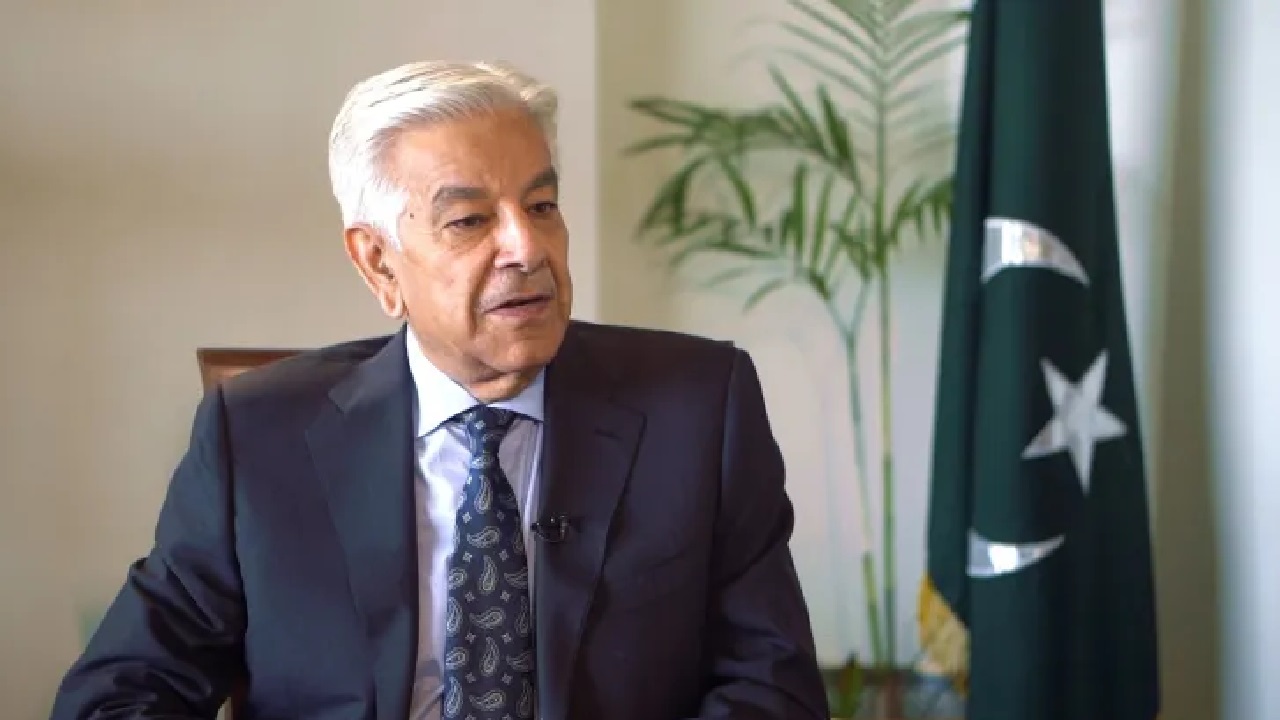
In the wake of the collapse, Defence Minister Khawaja Asif ignited controversy by accusing India of orchestrating a “proxy war” through Afghanistan. In a fiery television address, he declared, “India has penetrated Kabul’s government and launched a war by proxy against Pakistan.” He warned that any attack on Pakistani soil would be met with overwhelming retaliation.
Pakistan’s Information Minister amplified the claims, portraying the Taliban regime as thriving on conflict rather than peace. This rhetoric underscores Islamabad’s growing diplomatic isolation and its search for an external scapegoat amid mounting domestic instability.
While Pakistan has frequently blamed outside forces for its security woes, the explicit accusation against India marks a notable escalation—especially as Islamabad faces an increasing wave of attacks from the very militants it once tolerated.
Afghan and Regional Reactions: The Blame Comes Full Circle
Kabul swiftly rejected Pakistan’s allegations, accusing Islamabad of using negotiations as a smokescreen to mask its own failures. Taliban officials insisted they had entered the Istanbul dialogue in good faith, only to encounter an inconsistent and divided Pakistani delegation. Afghan state media denounced Pakistan’s tactics as “diversionary and deceptive,” arguing that Islamabad’s internal instability—not Indian interference—was the true cause of diplomatic collapse.
Turkish and Qatari mediators reportedly expressed shock at how swiftly the talks unraveled, particularly after early signs of cooperation. Analysts now warn that the breakdown could trigger a new cycle of violence along the volatile frontier and further polarize an already unstable region.
Wider Consequences: Regional Fallout and Strategic Shifts
The Istanbul failure carries far-reaching implications:
· Border Escalation: Sporadic clashes have resumed even as the ceasefire formally holds, raising fears of a broader conflict between two nuclear-armed neighbors.
· Regional Polarization: Public allegations against India risk entrenching geopolitical divides, undermining trilateral counterterrorism and economic initiatives.
· Strategic Reversal: Pakistan’s long-standing reliance on militant proxies has backfired, as those same actors now target its security forces, leaving Islamabad caught in the contradictions of its own policy.
· Analytical Insight: Mistrust as the Real Enemy
The Istanbul impasse exposes a deeper pattern—diplomatic efforts falter when mutual suspicion outweighs shared interest. Pakistan’s invocation of “Indian interference” serves both as a political shield and as a rallying cry for domestic unity amid rising insecurity. For Afghanistan, the Taliban’s struggle for legitimacy and internal cohesion makes meaningful engagement increasingly difficult.
Without genuine collaboration, both sides risk perpetuating the very instability they claim to oppose. The longer mistrust defines relations, the easier it becomes for militant networks and external powers to exploit the vacuum.
Lessons from a Lost Opportunity
The collapse of the Istanbul talks is more than a diplomatic failure—it is a warning. Unless Islamabad and Kabul abandon blame games and commit to genuine regional cooperation, they will remain trapped in cycles of violence and retaliation. Accusations over “proxies” and foreign meddling may serve short-term political needs, but they do nothing to build peace.
South Asia’s security will not be achieved through finger-pointing, but through sustained trust-building, policy reform, and the courage to confront uncomfortable truths. The road from Istanbul may be one of division today—but it need not remain so tomorrow.
(With agency inputs)