Faith Meets Politics in Bihar’s Poll Arena
As the Bihar assembly election campaign gathers intensity, leaders across the spectrum are turning cultural symbols into political ammunition. The latest flashpoint is Chhath Puja, the state’s most revered festival dedicated to the Sun God and “Chhathi Maiyya.” Prime Minister Narendra Modi has accused the Congress and Rashtriya Janata Dal (RJD) of insulting Bihar’s cultural pride after remarks from Rahul Gandhi described Chhath-related events as political “drama.” What began as an offhand comment has now escalated into a full-blown culture-versus-politics debate, with each side trying to claim ownership of Bihar’s identity narrative.
The “Chhath Drama” Row: How It Started
At a campaign rally, Rahul Gandhi criticized the BJP for allegedly using Chhath Puja as a publicity tool rather than respecting its sanctity. Referring to the Prime Minister’s symbolic river dip, he quipped:
“He says he’s bathing in the Yamuna—but there’s no Yamuna there, only a pond. He’s performing in his own swimming pool. For him, Chhath is just a show for votes.”
The “drama” remark quickly spread across media platforms, giving the BJP a perfect opening to frame the Opposition as culturally tone-deaf.
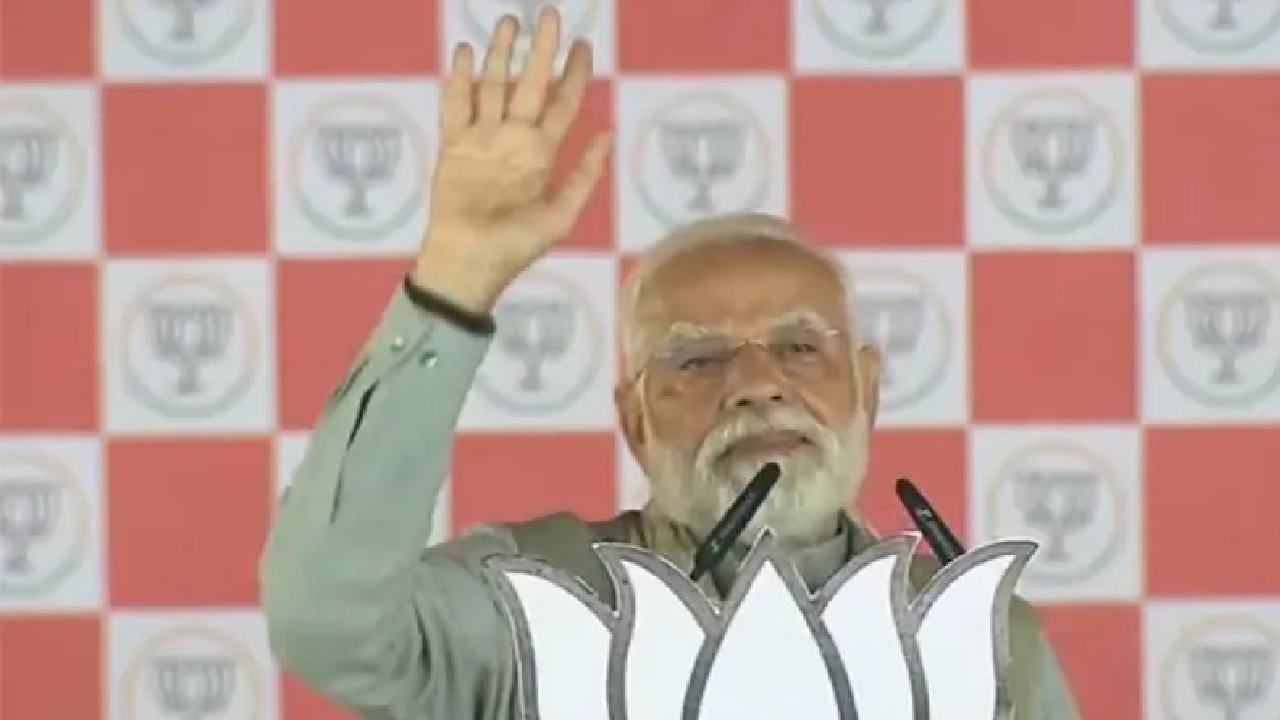
In a fiery counterattack during his Muzaffarpur rally, Modi accused the Opposition of “insulting Chhathi Maiyya”, declaring:
“For Congress and RJD, Chhath is a farce. No true Bihari will tolerate this insult to our mothers and sisters.”
He further added that the government was pushing for UNESCO World Heritage recognition for Chhath, projecting it as a symbol of Bihari pride on the global stage.
Modi’s Political Framing: Five Faces of the Opposition
Seizing the moment, Modi broadened his attack by branding the Congress–RJD alliance as embodying what he called the “Five Ks”—five traits he said define their rule:
· Katta (gun culture)
· Kroorta (cruelty)
· Katuta (bitterness)
· Kushasan (misgovernance)
· Corruption
He urged voters not to “repeat the mistake” of enabling what he termed “jungle raj”, a reference to Bihar’s crime-ridden past under RJD rule.
Cultural Politics and Counter-Narratives
In Bihar, Chhath Puja is more than a ritual—it’s an emblem of women’s devotion, community solidarity, and Bihari self-identity. By invoking the festival, Modi aims to fuse religious emotion with political loyalty, appealing across caste and class lines under the theme of “Bihari asmita” (Bihari pride).
However, the Opposition argues that the BJP has politicized faith, turning sacred observances into campaign theatre. Rahul Gandhi and Tejashwi Yadav have countered that the ruling party uses religion to distract from pressing issues like unemployment, inflation, and agrarian hardship. Their argument: cultural symbolism cannot mask governance failures.
Public Mood and Election Impact
Rahul Gandhi’s comments have drawn sharp criticism from BJP leaders and social media users alike, many accusing the Congress of “mocking Sanatan culture.” The NDA has capitalized on the backlash, particularly targeting women voters, who form the emotional core of Chhath observance.
With the festival still fresh in public memory, Modi’s narrative linking Chhath with Bihari pride and cultural reverence could help consolidate his support base. Meanwhile, the Opposition is scrambling to control the damage and shift attention back to livelihood issues.
When Faith Becomes the Poll Battleground
The Chhath controversy has turned Bihar’s election campaign into a contest over cultural ownership. By centering the festival in his political messaging, Modi has effectively redefined the campaign’s emotional terrain, forcing rivals onto the defensive. Yet, this strategy also raises deeper questions about the blurring of faith and governance in Indian politics.
As Bihar heads to the polls, the debate over Chhath Puja reflects a larger pattern: religion and regional identity are no longer sidelines—they are the stage itself. Whether voters respond to appeals of faith and pride or to calls for jobs and justice will determine who truly connects with the heart of Bihar.
(With agency inputs)