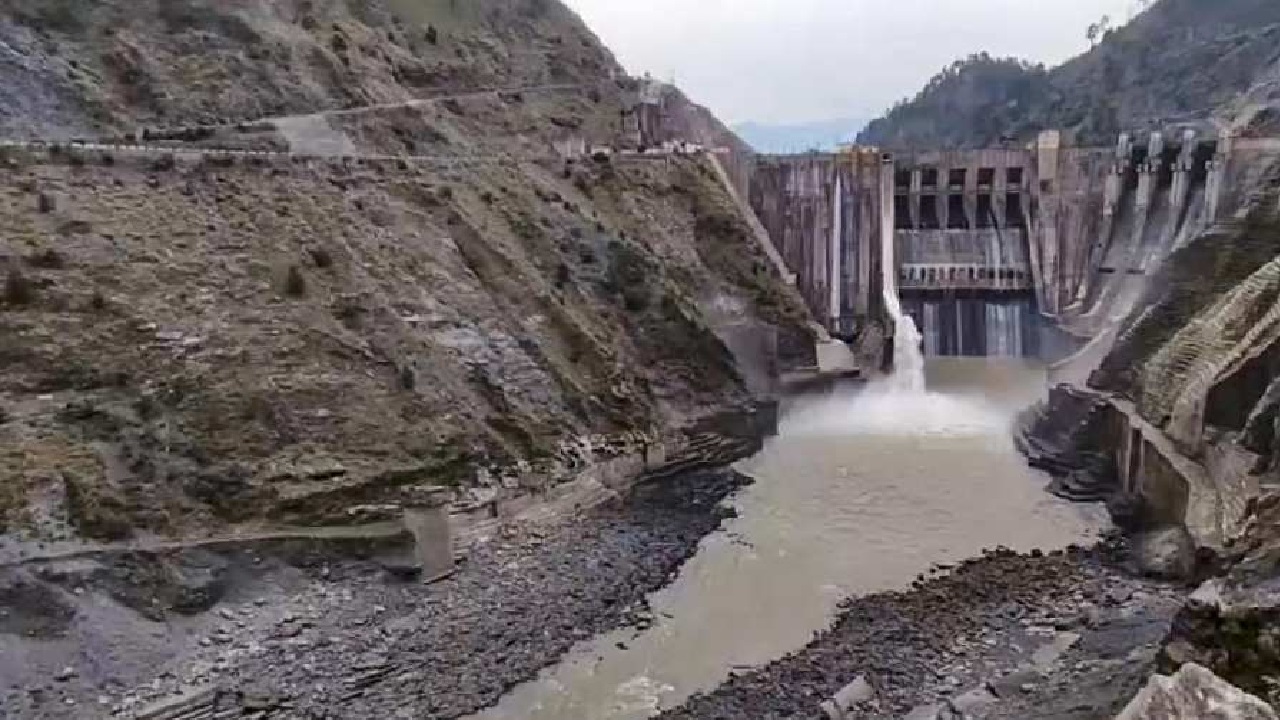
A Brewing Water Conflict
A fresh flashpoint is emerging in South Asia’s already volatile geopolitical landscape — water diplomacy. The question of whether India will assist Afghanistan in building a dam on the Kunar River, which flows into Pakistan, has stirred major strategic debate.
The issue arises in the wake of India’s unprecedented move to suspend the 1960 Indus Waters Treaty (IWT) with Pakistan, following the April 2025 Pahalgam terror attack, allegedly carried out by Pakistan-based militants. The treaty had long been the backbone of regional water management, dividing control of the Indus basin rivers between the two countries. Its suspension, and now the possibility of India’s indirect involvement in an Afghan water project, signals a dramatic shift in South Asia’s hydro-political balance.
The Indus Waters Treaty: A Collapsing Cornerstone
The Indus Waters Treaty, brokered by the World Bank in 1960, allocated control of the six rivers of the Indus basin — Ravi, Beas, and Sutlej to India, and Indus, Jhelum, and Chenab to Pakistan. Under the agreement, Pakistan received nearly 80% of the basin’s total water flow, ensuring its agricultural survival.
India’s decision to suspend the treaty was not just symbolic retaliation for terror attacks — it represented a willingness to weaponize water as a tool of geopolitical leverage. While actual water flows remain uninterrupted, India’s expansion of upstream projects like the Kishenganga and Ratle dams has already challenged Pakistan’s downstream dependency.
This new assertiveness — coupled with Afghanistan’s plans — could reshape the region’s water-sharing dynamics, where rivers may become instruments of strategy rather than cooperation.
Afghanistan’s Kunar River Gambit
The Kunar River, originating in Afghanistan’s Hindu Kush mountains, merges into Pakistan’s Kabul River, which ultimately feeds the Indus system. The Taliban-led government has announced plans for a large hydroelectric dam on this river — a project that could significantly reduce water flow into Pakistan’s Khyber Pakhtunkhwa province, affecting irrigation, drinking water, and hydropower generation.
Afghan authorities have emphasized their sovereign rights to utilize national water resources. According to directives reportedly issued by Supreme Leader Mawlawi Hibatullah Akhundzada, the project will employ domestic firms for rapid construction.
Observers note the symbolism: just as India has leveraged its river control under the IWT, Afghanistan appears to be mirroring that approach, asserting water as a means of national empowerment and strategic negotiation.
Pakistan’s Growing Water Vulnerability
Pakistan’s economy is heavily dependent on the Indus basin — over 80% of its cultivated land relies on its waters, contributing nearly a quarter of the nation’s GDP. The Indus sustains not only agriculture but also hydropower generation and drinking water for urban centers.
Any upstream restriction — whether by India or Afghanistan — threatens to exacerbate Pakistan’s ongoing water crisis, already worsened by climate change, poor infrastructure, and over-extraction. Unlike with India, Pakistan has no formal water-sharing treaty with Afghanistan, leaving it without legal recourse to challenge the Kunar project.
Islamabad has warned that any deliberate curtailment of water flow could be viewed as a “casus belli” (cause of war) — an alarming indicator of how critical the situation has become.
India’s Strategic Calculus
For India, supporting Afghanistan’s dam ambitions offers more than an engineering partnership — it represents a strategic two-front approach against Pakistan.
By aiding Kabul in developing its water infrastructure, India could:
· Deepen its regional influence in Afghanistan post-U.S. withdrawal.
· Undermine Pakistan’s dominance along both its western and northern water frontiers.
· Reinforce its new “assertive water diplomacy” posture, linking resource control with counter-terror and security narratives.
Such cooperation, however, risks further destabilizing South Asia, intertwining water conflicts with existing territorial and ideological disputes.
The Rise of Water as a Strategic Weapon
The prospect of India aiding Afghanistan in building a dam on a river flowing into Pakistan encapsulates a new phase of South Asian geopolitics, where water becomes both a tool of leverage and a trigger for conflict.
Pakistan’s dependence on the Indus system, India’s evolving water assertiveness, and Afghanistan’s newfound hydrological ambitions together paint a picture of an emerging “water war” dynamic.
As traditional treaties falter and unilateral actions rise, the region faces a pressing need for dialogue, diplomacy, and modern water governance. Without it, South Asia’s rivers — once lifelines of civilization — could turn into currents of confrontation, redefining the contours of power and peace in the decades to come.
(With agency inputs)