India’s Most Elusive Maoist Commander Killed in Andhra Encounter
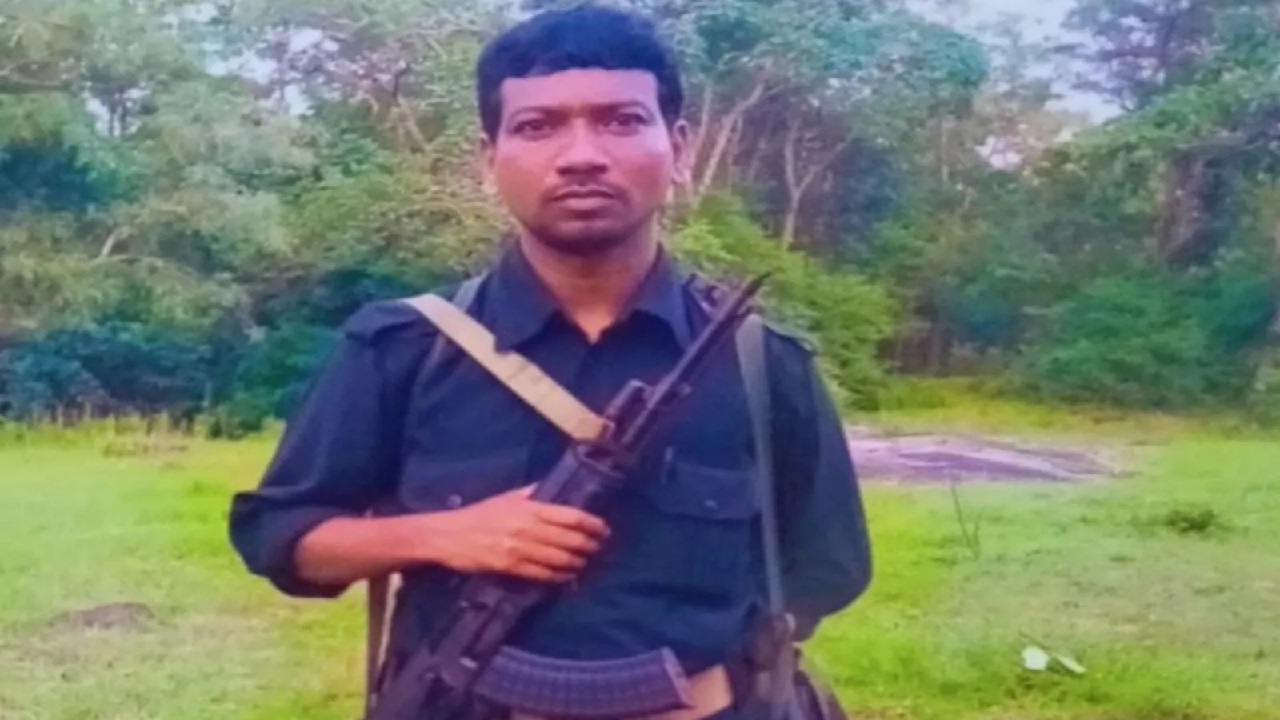
Madvi Hidma, one of India’s most feared and wanted Maoist leaders, was killed on November 18, 2025, in an encounter with police in Andhra Pradesh’s Alluri Sitarama Raju district. His wife, Madakam Raje, and four other Maoists were also neutralized, marking one of the most significant operational successes for Indian security forces in recent years. Hidma’s death is widely viewed as a major blow to Maoist capabilities in the central and southern forest belts.
The End of an Era in the Maoist Insurgency
For over two decades, Hidma embodied the tactical backbone of the Maoist insurgency. His mastery of jungle warfare, intricate planning, and deadly ambushes made him the face of a movement that thrived on asymmetrical conflict. His elimination therefore carries both symbolic and strategic implications—signaling the dismantling of a key node in the insurgency’s hierarchy and offering the state a critical window for consolidation.
Rise of a Guerrilla Strategist: From Local Cadre to Central Committee
Born around 1981 in Sukma, Hidma was drawn into the Maoist fold as a teenager. His early years in the People’s Liberation Guerrilla Army (PLGA) displayed a fusion of fearlessness and tactical acumen that propelled him through the ranks. Eventually becoming commander of Battalion No. 1, he also secured a position on the Maoist Central Committee—an extraordinary rise for a local Bastar tribal.
Hidma earned notoriety for operational sophistication: recruiting tribal youth, building ambush networks, and navigating the dense “tri-junction” forests that connect Chhattisgarh, Telangana, and Andhra Pradesh. His ability to vanish into terrain while orchestrating high-impact strikes turned him into a central figure of Maoist persistence and state frustration.
Architect of Some of India’s Deadliest Attacks
Hidma’s operational legacy is etched in some of the gravest ambushes in India’s counterinsurgency history. Among his most devastating missions were:
· 2010 Dantewada massacre: 76 CRPF personnel killed.
· 2013 Darbha Valley attack: assassination of senior Congress leaders.
· 2017 Burkapal ambush: 25 CRPF personnel lost.
· 2021 Sukma encounter: 22 jawans killed.
Beyond ambushes, Hidma engineered IED networks, conducted bold weapon-looting operations, and spearheaded large-scale recruitment. His wife, Raje, fought alongside him, reinforcing their image as a committed insurgent unit.
Security Impact: Disrupting the Maoist Command Structure
Security agencies long regarded Hidma as the “tactician-in-chief” of the Dandakaranya Special Zonal Committee. Under him, Maoists refined counter-intelligence, mobility, and ambush tactics that challenged even elite forces. With a ₹1 crore bounty on his head, Hidma remained India’s most elusive guerrilla strategist.
His death is expected to disrupt Maoist command-and-control, weaken recruitment pipelines, and diminish morale within the ranks. In response, authorities have intensified combing operations across Andhra Pradesh, Chhattisgarh, and Telangana to pre-empt retaliatory strikes and dismantle remaining Maoist pockets.
A Strategic Breakthrough, but Challenges Remain
Hidma’s elimination marks a critical breakthrough in India’s long-standing battle against the Maoist insurgency. His decades-long reign—defined by deadly ambushes and sophisticated guerrilla tactics—helped shape the insurgency’s identity and operational resilience.
While his death delivers a decisive setback, long-term success will depend on sustained security pressure, governance outreach, and development in tribal regions. The fall of one commander may shift momentum, but addressing the structural roots of insurgency remains essential for lasting peace.
(With agency inputs)