


A City on Edge as Air Turns Toxic
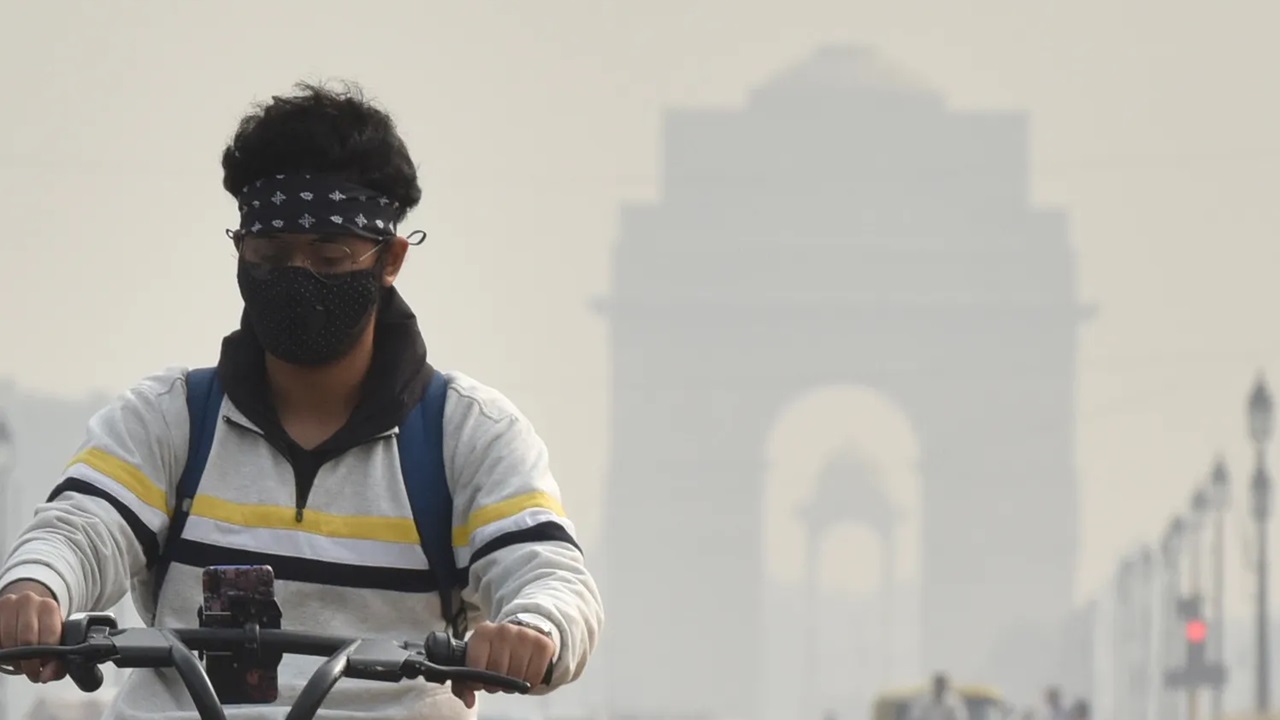
Delhi’s escalating air pollution emergency spilled into violence near India Gate’s C-Hexagon when a peaceful protest demanding urgent government intervention devolved into clashes with the police. Organized by the Delhi Coordination Committee for Clean Air, the demonstration reflected widespread public anger over hazardous Air Quality Index (AQI) levels nearing 400—conditions that have drawn global scrutiny and deepened fears about the city’s deteriorating environmental health.
When Public Health Meets Public Rage
What began as a coordinated civic demonstration quickly escalated into confrontation. As pollution thickened over the capital, residents—already grappling with respiratory illnesses, school closures, and restricted outdoor activity—gathered to demand meaningful reforms. The tipping point came when police directed protesters to clear blocked routes for ambulances. Instead of complying, portions of the crowd surged forward, breached barricades, and occupied the main roadway, triggering a volatile standoff.
A Crisis Fueling Confrontation
The conflict intensified when some activists allegedly used pepper and chilli spray against officers, injuring four personnel who required hospital care. Police retaliated with crowd-control measures and detained more than 22 individuals on charges ranging from obstruction to assault. Protesters countered with accusations of phone confiscation and mistreatment—claims the police firmly denied.
This dramatic escalation underscores how deeply the air pollution crisis has eroded public trust. Citizen groups argue that government measures—such as smog guns, water sprinkling, and token crackdowns—constitute superficial responses to a structural problem. For years, activists have urged policymakers to prioritize long-term reforms over temporary fixes, calling for coordinated action across sectors and states.
The frustration is driven not only by hazardous air but also by Delhi’s history of unmet promises. Previous winters have seen similar public outcry, especially after landmark episodes like the 2017 “gas chamber” winter and the 2020 peak smog season. Yet, despite judicial interventions, task forces, and emergency advisories, pollution levels repeatedly return to dangerous highs.
In the wake of the confrontation, the government-initiated dialogue with environmental groups, pledging stricter enforcement against construction dust, waste burning, and vehicular violations. Authorities also promised tighter monitoring and greater transparency in AQI reporting. While these steps signal intent, experts maintain that without industrial regulation, regional coordination with Punjab and Haryana, and large-scale urban planning reforms, Delhi’s toxic cycle will persist.
Toward Clean Air and Civic Harmony
The clash at India Gate highlights the urgent need for comprehensive, science-driven solutions that rise above political divides. Delhi’s air crisis cannot be solved through force or short-term measures—it requires regional cooperation, sustainable mobility systems, stronger emissions laws, and continuous public engagement.
As citizens grow more vocal and policymakers face mounting pressure, this moment may catalyze transformative action. Ensuring clean air—and peaceful democratic participation—must remain central to Delhi’s path forward.
(With agency inputs)