A Sweeping and Explosive Shift
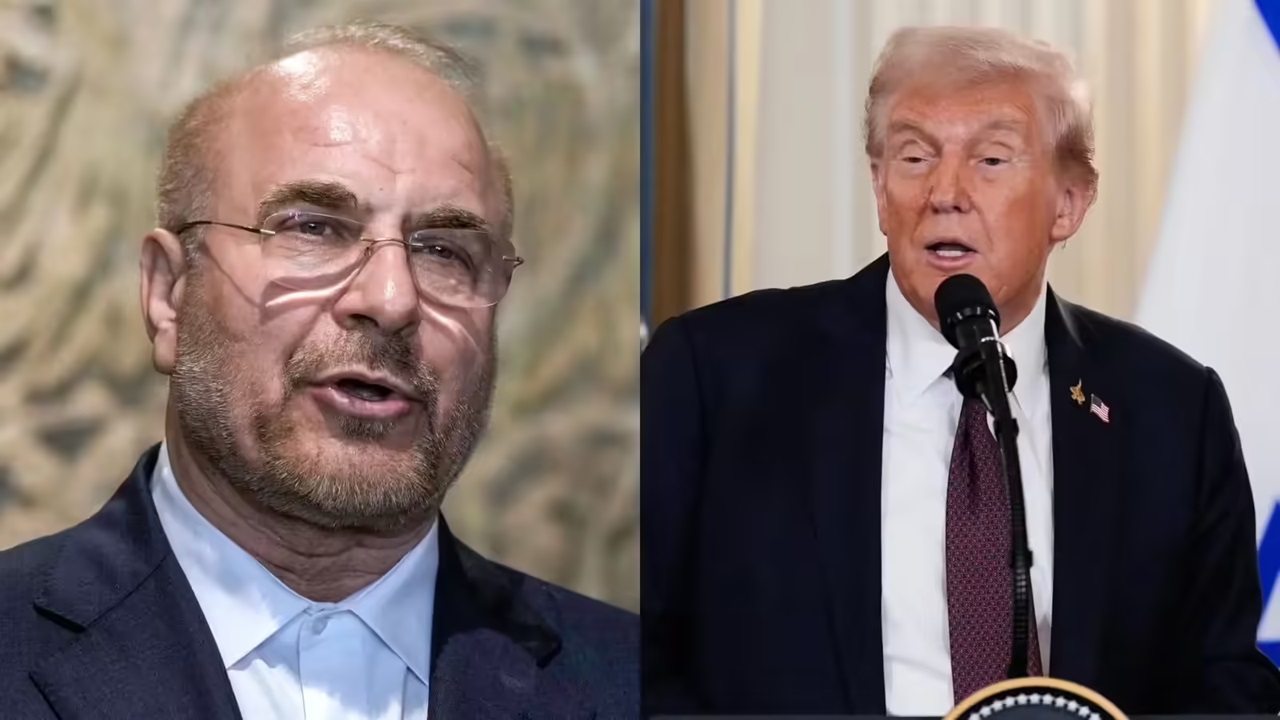
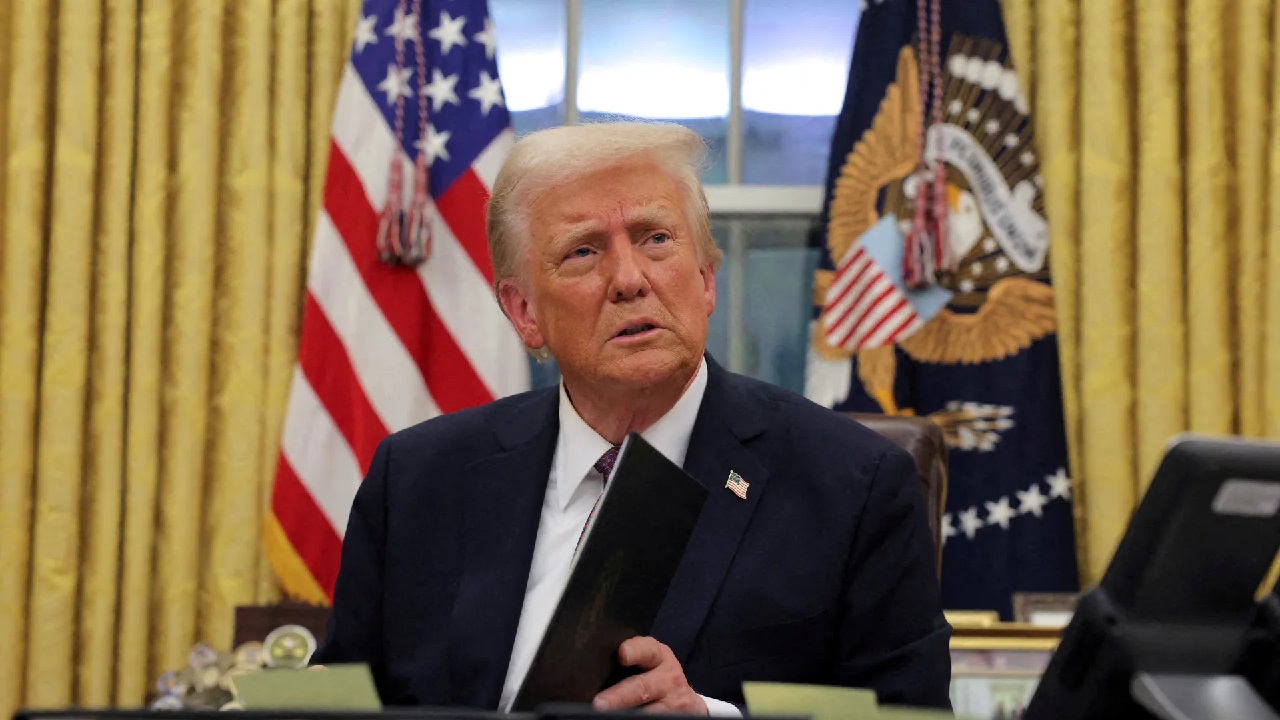
On November 27, 2025, U.S. President Donald Trump announced one of the most sweeping and controversial immigration measures of his presidency: a permanent pause on migration from all what he called “Third World countries.” The declaration followed a deadly shooting near the White House involving an Afghan national, which Trump seized upon as justification for a systemic overhaul. He argued that the U.S. immigration system needed time to “recover” from what he labeled “millions of illegal admissions” under the Biden administration. Alongside the pause, Trump pledged to terminate federal benefits for all “noncitizens,” increase deportations of individuals deemed security risks, and even pursue denaturalization of those who “undermine domestic tranquility.”
Defining the Target: What Is Considered “Third World” Today?
Although Trump did not specify which countries would fall under the ban, the term “Third World”—a Cold War relic—today loosely refers to developing or least-developed nations with lower economic and human development indicators.
This classification typically includes:
· UN-designated Least Developed Countries (LDCs): 45 nations across Africa (33), Asia (8), the Caribbean (1), and the Pacific (3), defined by low per capita income, weak health and education systems, and high economic vulnerability.
· Broader low- and middle-income economies: Roughly 150 countries per World Bank metrics, including Pakistan, Nigeria, Indonesia, the Philippines, Egypt, Vietnam, and Bolivia.
Yet the term is widely criticized as outdated, imprecise, and pejorative, glossing over diverse economic trajectories. Trump’s use of it signals a political framing rather than a technical classification—one that simplifies global complexity into a binary of “safe” versus “unsafe” migration sources.
Policy Implications: National Security Framing Meets Political Agenda
Trump’s move aligns with the hardline immigration stance that defined his previous term, now intensified by the Washington, D.C. attack. Senior adviser Stephen Miller hailed the policy as “historic,” emphasizing accelerated deportations and stringent reviews. The administration is intertwining immigration, national security, and public safety to reinforce its “America First” message—an approach designed as much for political resonance as policy substance.
The sweeping nature of the ban suggests the administration intends to curtail both legal and illegal migration from entire regions of the Global South, reinforcing a narrative that conflates migration with terrorism, instability, and economic burden.
Economic and Diplomatic Fallout: Risks on Multiple Fronts
Critics warn that a blanket moratorium on migration from vast portions of the Global South could have severe legal, humanitarian, and economic consequences.
· Legally, it may violate U.S. asylum obligations and face constitutional challenges.
· Diplomatically, it risks straining relations with key partners in Asia, Africa, and Latin America.
· Humanitarian concerns arise as refugees fleeing violence or persecution may be categorically excluded.
Economically, industries heavily dependent on migrant labor—from agriculture to healthcare and technology—could suffer workforce shortages. Blocking legal migration pathways may also push vulnerable populations into irregular channels, paradoxically undermining long-term border security goals.
A Policy Poised for National and Global Contention
Trump’s declaration of a permanent pause on migration from so-called “Third World countries” marks a dramatic escalation in U.S. immigration policy—symbolically potent but fraught with complexity. While framed as a necessary response to national security threats, the policy risks entangling the U.S. in legal battles, economic disruptions, and diplomatic rifts. Its broad-brush approach obscures individual cases, humanitarian needs, and global realities. As debates intensify, the measure is likely to become a defining flashpoint in America’s ongoing struggle to balance security, values, and global engagement.
(With agency inputs)