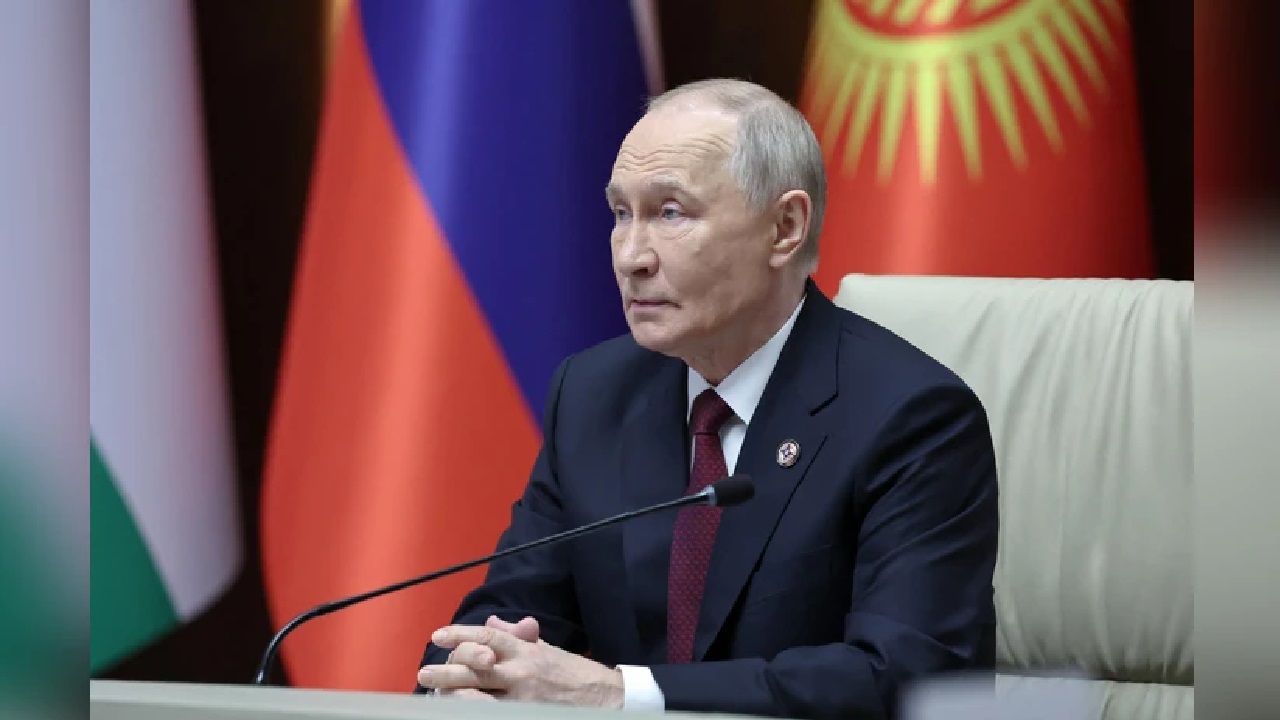
Delhi Turns into a Fortress
New Delhi has been transformed into a high-security fortress as India readies to host Russian President Vladimir Putin on December 4–5 for the 23rd India–Russia Annual Summit—his first visit since Moscow’s invasion of Ukraine. The capital is under an unprecedented multi-layer security grid, reflecting both the geopolitical sensitivity of the visit and India’s desire to ensure flawless execution amid heightened global scrutiny. A specialised Russian security contingent is already coordinating with Indian agencies, inspecting hotels, routes, and venues down to minute logistical details. Snipers, drone jammers, facial-recognition surveillance, and round-the-clock control rooms underscore the intensity of the security posture, especially following recent blasts in Delhi that have already tightened movement across the NCR.
The Strategic Stakes Behind the Visit
This summit is not routine diplomacy; it is a politically charged moment for both nations. India and Russia are set to review the full spectrum of their “Special and Privileged Strategic Partnership,” including defence, nuclear energy, connectivity, and—most importantly—trade conducted outside the dollar system. High-level pre-summit engagements between NSA Ajit Doval and Russia’s Nikolay Patrushev, as well as External Affairs Minister S. Jaishankar’s talks in Moscow, signal that this meeting is meant to deliver concrete progress on long-pending issues, particularly payments and energy flows.
For India, hosting a sanctioned global leader is a balancing act: preserve strategic autonomy without provoking punitive reactions from the US and EU. For Russia, it is an opportunity to demonstrate that it is far from isolated and can retain major partners despite Western pressure.
India–Russia Trade: High Volumes, High Risk
India–Russia trade has skyrocketed to the USD 60–70 billion range since 2022, driven overwhelmingly by discounted Russian crude. Yet this boom masks structural fragility. Imports massively outweigh exports, creating unwieldy rupee surpluses that Russian companies are reluctant to hold. Although India has allowed these rupees to be invested in government securities and eased Vostro settlement rules, the mechanism remains only partially functional.
Meanwhile, US sanctions have directly impacted Indian purchases. Enforcement actions on Russian energy firms have already forced Indian refiners to slash December crude imports to the lowest level in three years. Washington has repeatedly warned that India’s deepening energy ties with Russia could trigger tariffs or targeted secondary sanctions, especially where refined products re-enter Western markets.
It is in this context that Kremlin spokesman Dmitry Peskov’s statement “we understand there is pressure over India”—matters. Russia is acknowledging New Delhi’s tightrope walk and signalling willingness to build a sanctions-resilient economic architecture.
What the Summit Is Expected to Deliver
The trade agenda for the visit is likely to revolve around three core areas:
· Stabilising Energy Trade
Both sides aim to ensure uninterrupted Russian crude, LNG and LPG supplies, possibly through long-term contracts and alternative insurance/shipping arrangements shielded from Western jurisdiction.
· Fixing Payments and Rupee Imbalances
Expect renewed efforts to operationalise rupee-rouble settlements, expand Indian exports (pharma, electronics, machinery), and convert Russian rupee surpluses into bond-backed investments.
· Reducing Sanctions Exposure
Talks may accelerate an India–Eurasian Economic Union FTA and expand alternative payment systems that bypass the dollar, insulating bilateral trade from future enforcement shocks.
Short-term scrutiny from the West will rise—but if successful, these mechanisms could give India strategic breathing room and long-term leverage.
A Visit That Redraws Boundaries
Putin’s visit is not merely a diplomatic event; it is a stress test of India’s ability to navigate a fragmented global order. The security lockdown in Delhi mirrors the geopolitical minefield India must traverse—maintaining energy access, stabilising trade flows, and managing sanctions risks while preserving its strategic autonomy.
If New Delhi and Moscow can meaningfully rebalance trade, strengthen payment systems, and secure energy flows, India stands to reduce its vulnerability to external pressure and fortify its long-term economic resilience. The summit, therefore, is less about symbolism and more about shaping a future where India can engage major powers—East and West—on its own terms.
(With agency inputs)