SIR: From Technical Exercise to Political Flashpoint
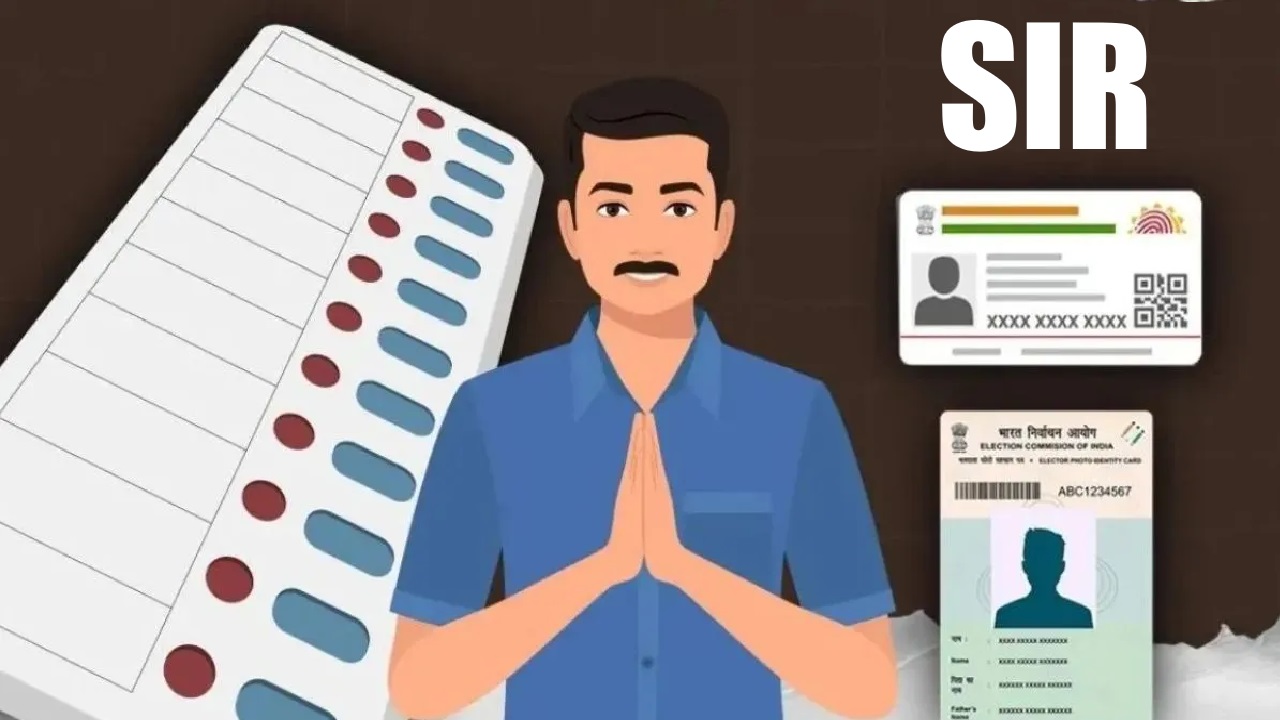
The Special Intensive Revision (SIR) of electoral rolls, underway across nine states and three Union Territories, has become more than a routine administrative process. Originally intended to remove duplicates, correct constituency allocations, and register new voters, SIR has come under scrutiny due to reports of multiple booth-level officer (BLO) deaths and allegations of wrongful deletions disproportionately affecting minorities and women. These developments have transformed a technical exercise into a human rights and political concern, raising questions about workload, accountability, and fairness in electoral management.
Opposition Pushes for Parliamentary Debate
As the Winter Session commenced, the Opposition, including Congress, TMC, and DMK, sought priority discussions on SIR. Fourteen parties jointly demanded a full debate under the broader framework of electoral reforms, linking procedural issues to systemic weaknesses. Key demands include independent review of deletion criteria, grievance mechanisms for affected voters, accountability for BLO deaths, and protective measures for marginalized communities. Opposition leaders emphasized that reforms should cover not only SIR but also broader concerns such as EVM/VVPAT transparency, campaign finance oversight, and Election Commission accountability.
Government Response and Procedural Truce
The government, through Parliamentary Affairs Minister Kiren Rijiju, initially prioritized commemorative discussions marking the 150th anniversary of “Vande Mataram.” However, in a procedural compromise, the Centre has agreed to schedule a discussion on “purification of voter rolls” and electoral reforms on December 10. This arrangement allows the Opposition to address SIR and broader reform issues while maintaining the government’s preferred session sequencing. Though not a full consensus, the move represents a constructive step toward structured debate and collaborative problem-solving.
Constructive Path Forward
The December 10 discussion provides an opportunity for Parliament to go beyond partisan contention and establish systemic safeguards for India’s electoral processes. Constructive outcomes could include clear timelines for roll updates, strengthened BLO support and safety measures, transparent and machine-readable voter lists, and enhanced mechanisms for marginalized voter protection. Embedding these reforms into parliamentary oversight will reinforce public confidence, reduce administrative stress, and ensure that electoral integrity is preserved while respecting both constitutional norms and human dignity.
By agreeing to this discussion, the government has opened the door to meaningful dialogue on electoral reforms, signaling that administrative efficiency, voter protection, and parliamentary accountability can coexist—setting a precedent for future revisions and strengthening India’s democratic framework.
(With agency inputs)