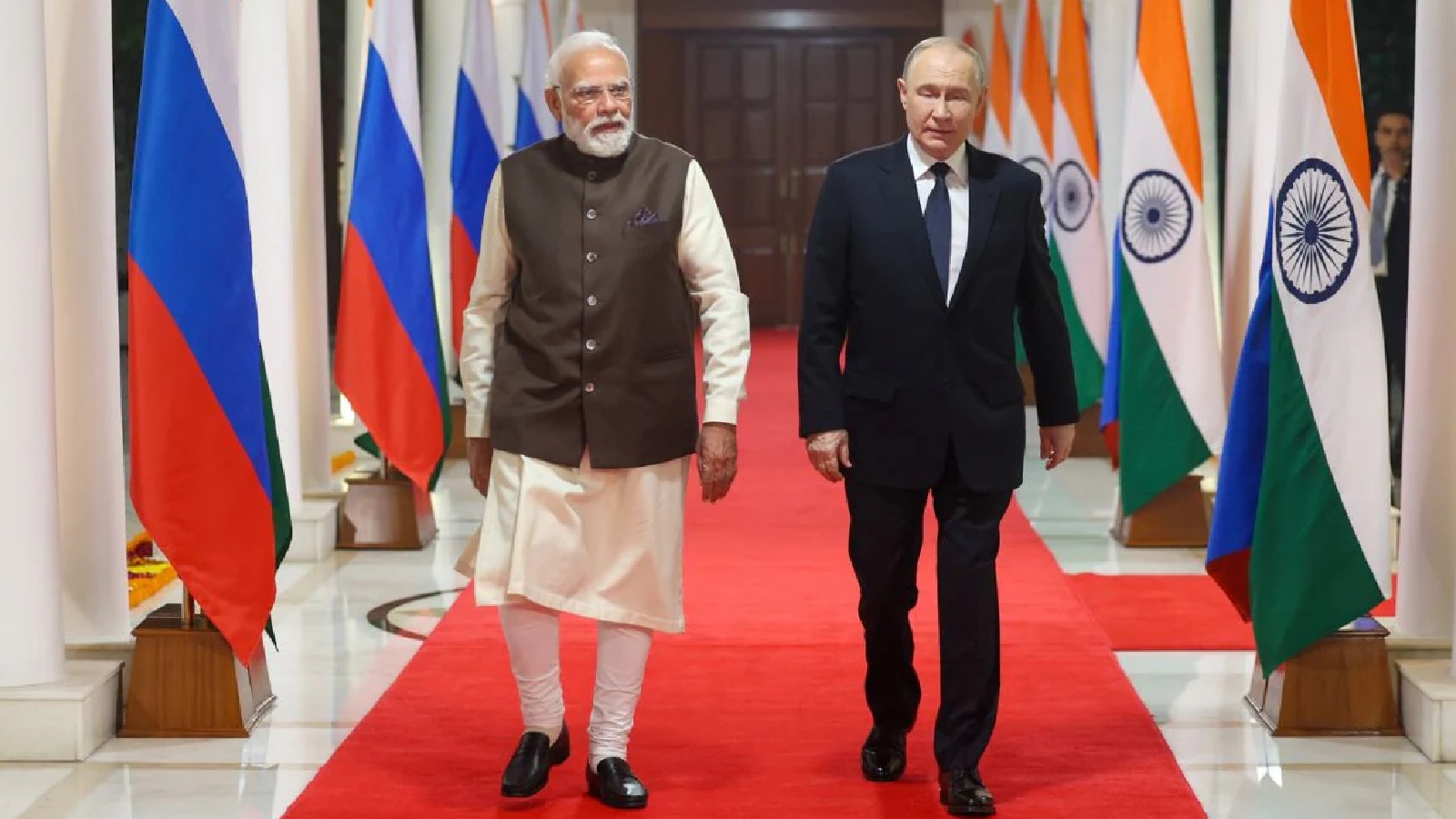
A High‑Stakes Visit
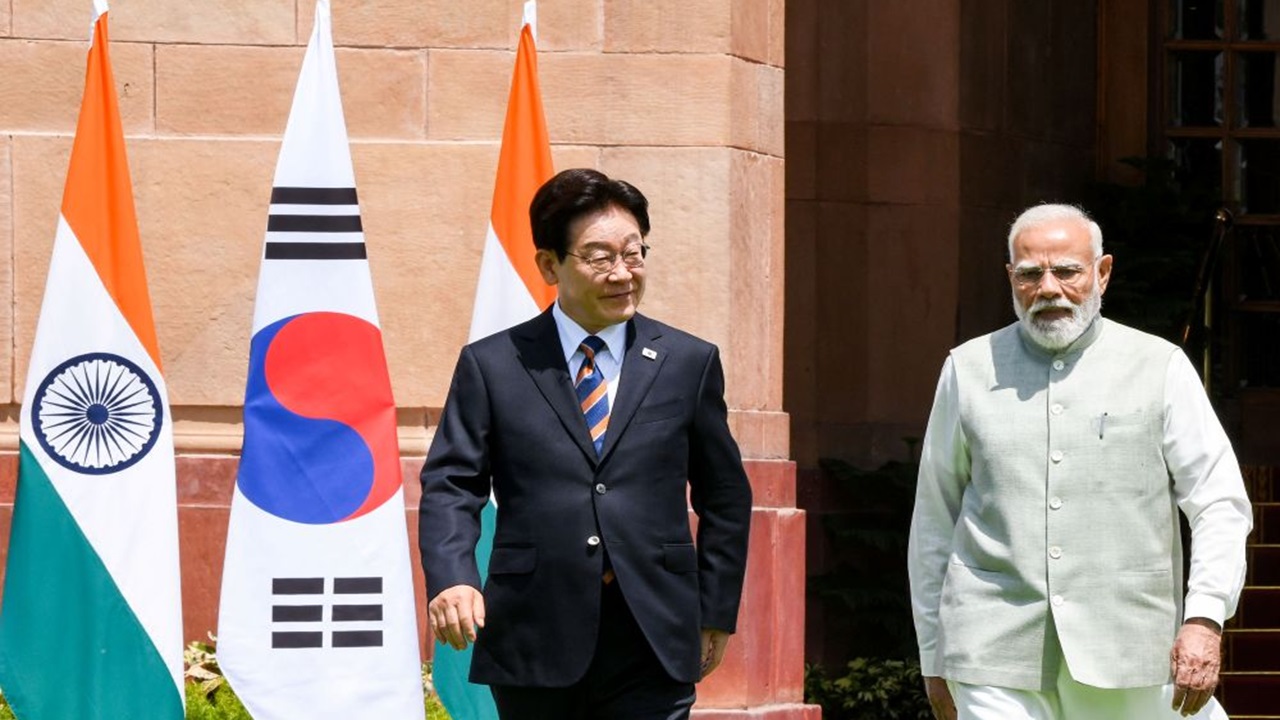
Vladimir Putin’s first trip to India since the Ukraine war is under intense scrutiny in Washington. The summit, marked by delegation-level talks, a state dinner with President Droupadi Murmu, and a tightly managed agenda with Prime Minister Narendra Modi, occurs against a backdrop of US sanctions on Russia and punitive tariffs on India. For the US, images of warm Modi–Putin engagement underscore India’s willingness to maintain strategic autonomy, raising questions about New Delhi’s role in shaping non-Western economic and defence corridors.
Energy, Trade, and Tariff Dynamics
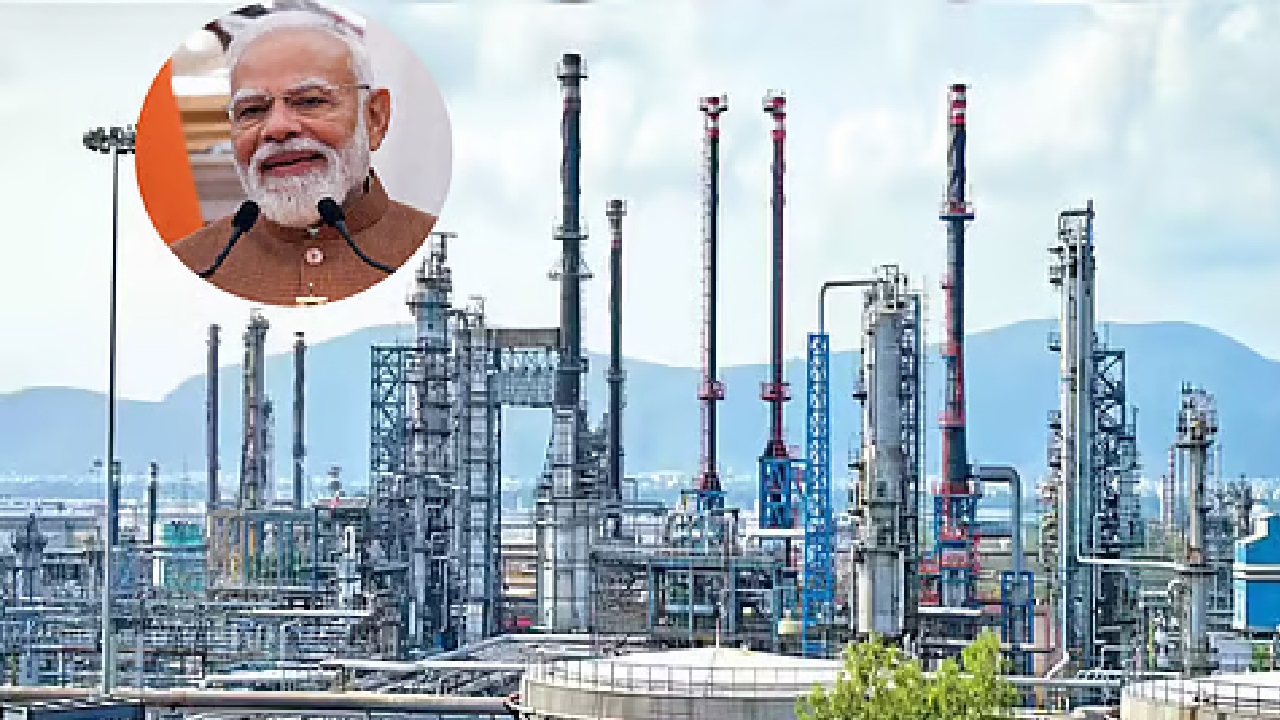
India has emerged as one of Russia’s largest crude buyers, re-exporting refined products to global markets. Washington sees this as potentially sustaining Russia’s war effort. The 50% US tariffs on Indian goods, linked to continued Russian energy imports, have heightened attention on bilateral trade. New agreements on fertilizers, coal, rare earths, and labor mobility, alongside a potential free-trade deal with the Eurasian Economic Union, could divert Indian exports toward Russia-led blocs. US policymakers are wary that such trade expansion might undermine sanctions and weaken leverage over both Russia and India.
Defence Cooperation at the Forefront
The summit is expected to cover S‑400 deliveries, Su‑57 fighter cooperation, Reciprocal Exchange of Logistic Support (RELOS) pacts, and even space and small modular nuclear projects. These deals carry several implications for Washington:
· Continued dependence on Russian systems complicates interoperability with US platforms.
· Technology transfer risks exposing sensitive design, radar, and avionics data.
· RELOS pacts increase Russian operational access to Indian bases, overlapping with US logistics and maritime operations in the Indian Ocean.
Impact on US Strategic Calculations
Should India deepen its Russian defence links, Washington faces a dilemma: treat India as a key Indo‑Pacific partner while it simultaneously entrenches ties with Moscow.
Key considerations include:
· CAATSA and sanctions management: New Russian deals could reignite US legislative scrutiny, pressuring selective waivers or tighter export controls.
· Interoperability challenges: Integrating S‑400s and potential Su‑57s with Indian networks complicates US–India operational planning, particularly regarding sensitive ISR and naval coordination.
· Indo‑Pacific balance: While stronger Indian capabilities may deter China, a less isolated Russia could limit US options in Eurasia, requiring Washington to hedge strategically while still deepening ties with New Delhi.
US Recalibration Options
In response, the US is likely to:
· Sharpen compartmentalisation: Distinguish cooperative sectors from areas involving Russian systems.
· Use conditional incentives: Offer market access, co-production, or technology pathways to influence Indian procurement choices.
· Adopt patience and hedging: Accept a mixed-alignment strategy from India, while gradually increasing the strategic costs of any deepened Russia ties.
Strategic Autonomy Meets US Calculus
Putin’s Delhi visit signals that India is willing to absorb Western disapproval and economic pain to preserve long-term engagement with Russia. For the US, the challenge lies in balancing Indo-Pacific cooperation with caution around Russian entanglements. India’s defence and energy deals may not derail bilateral ties, but they will require Washington to adopt a nuanced, transactional approach—encouraging alignment in critical areas while hedging against deepening Russian influence. The summit underscores a persistent theme: India’s strategic autonomy compels the US to engage with pragmatism, not assumption.
(With agency inputs)