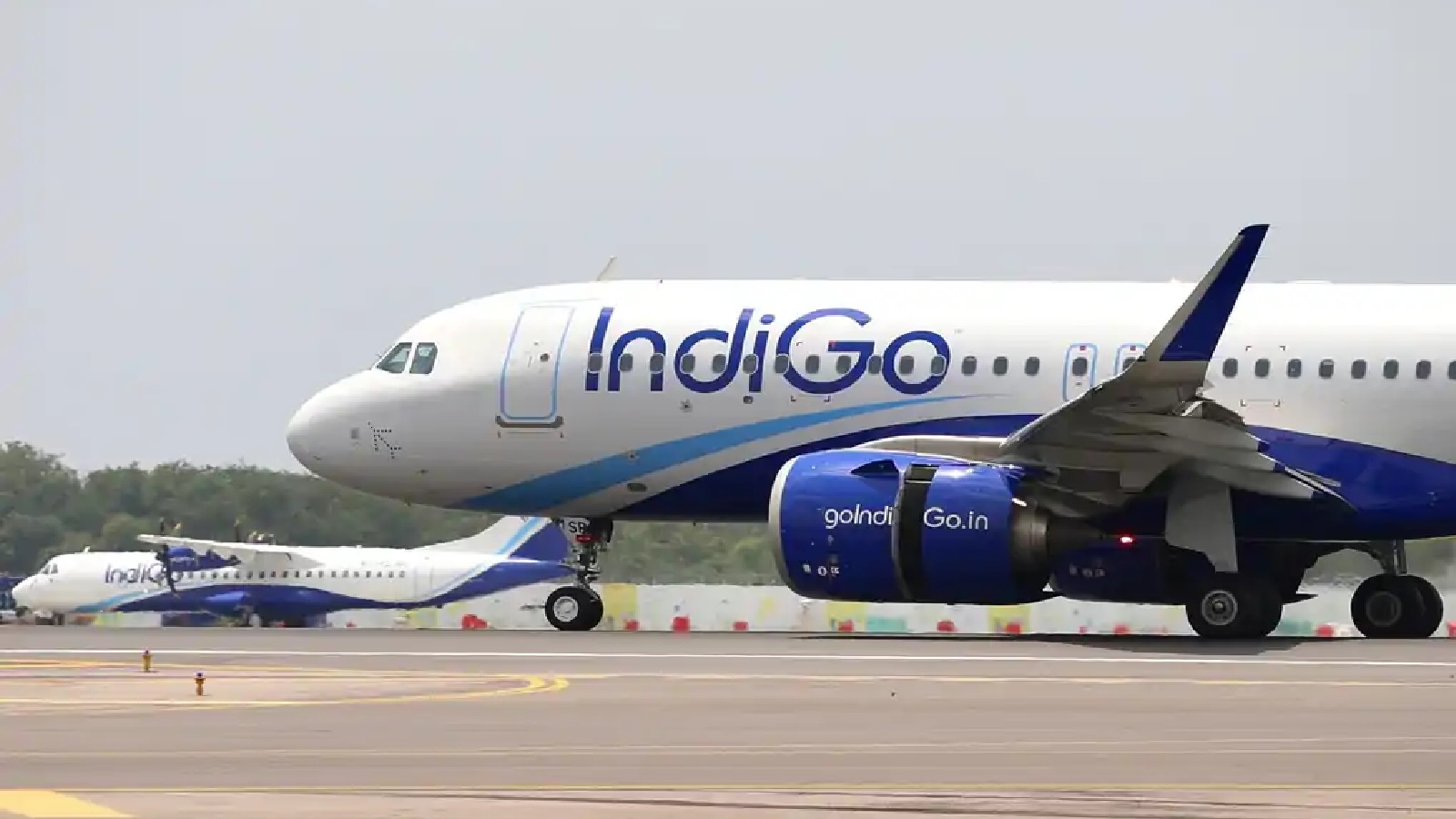
When IndiGo’s Network Buckled
The past week delivered India’s first major reality check on the country’s new pilot-rest regime, as IndiGo—normally the nation’s most reliable operator—spiraled into widespread cancellations. More than 200 flights were scrapped in a single day and hundreds delayed across major hubs. What appeared at first to be routine winter disruptions quickly escalated into a system-wide breakdown once the tightened Flight Duty Time Limitation (FDTL) norms collided with already overstretched pilot rosters.
The Immediate Trigger: A Schedule with No Buffer
Between Tuesday and Wednesday, IndiGo’s operations were hit by an unprecedented wave of cancellations and delays, with on-time performance plunging to as low as 20–35% at key airports. DGCA’s own data shows this was not a sudden anomaly: in November alone, IndiGo cancelled 1,232 flights, and nearly two-thirds of those were directly linked to crew shortages and FDTL caps.
IndiGo attributed the chaos to a “multitude” of factors—winter readjustments, weather issues, congestion, minor technical snags and, crucially, the implementation of updated duty-time rules. But the numbers reveal something deeper: India’s largest carrier entered the winter season and the second phase of the revised FDTL framework with almost no slack in its staffing model.
Inside the New FDTL Regime: What Changed
India’s rest-rule overhaul stems from long-standing fatigue complaints, escalated by pilot unions to the Delhi High Court. In response, DGCA committed to implementing 22 revised clauses in two phases through 2025. The changes now taking effect include:
1. Expanded Mandatory Rest
· Weekly rest increased from 36 to 48 hours, including two local nights.
· No more than 168 hours may pass between consecutive weekly rest periods.
· Rest must be provided at a pilot’s home base or designated temporary base.
Impact: Airlines cannot roster pilots across long stretches without breaks, sharply limiting consecutive duty days.
2. Tighter Night-Duty Restrictions
· Maximum night flight time capped at 8 hours; total night duty at 10 hours.
· Allowed night landings reduced from up to 6 to just 2 per duty.
· Definition of night duty extended to cover midnight to 6 am, pulling more early-morning flights under stricter limits.
Impact: High-utilisation, night-heavy networks lose significant scheduling flexibility.
3. Toward Fatigue-Risk Management
DGCA frames these changes as groundwork for a broader Fatigue Risk Management System—a data-driven model aligned with global aviation norms, prioritising long-term safety over short-term capacity.
Why the Crisis Hit Now
Pilot unions argue the meltdown was predictable. Despite a two-year runway to prepare, IndiGo maintained a lean hiring strategy. Once the November phase of FDTL rules tightened night duties and mandated longer rest, even minor delays pushed pilots beyond legal limits. Fog, congestion and technical snags—common in winter—then cascaded into mass cancellations.
With rosters already stretched, there was no backup. DGCA is now examining IndiGo’s operational planning, and union bodies have even suggested slot redistribution if reliability does not improve.
A Structural Reckoning
India’s new rest rules were never the problem—they were a long-signalled safety reform. What the IndiGo crisis exposed is a deeper structural fragility: a system optimised for peak utilisation but not for resilience. As the FDTL reforms progress toward full enforcement in 2025, airlines will need to rethink staffing, network design and contingency buffers. The real test now is whether IndiGo—and the industry—can adapt before the next wave of operational stress arrives.
(With agency inputs)