


Thailand Vows Continued Fighting
On December 13, 2025, Thai Prime Minister Anutin Charnvirakul reiterated that Thailand would persist in military operations against Cambodia despite U.S. President Donald Trump’s assertion of a newly brokered ceasefire. Hours after Trump’s calls with Anutin and Cambodian Premier Hun Manet, Thai fighter jets targeted Cambodian positions along the disputed border. Anutin took to Facebook to deny any truce, emphasizing that Thailand would defend its territory and citizens until threats were neutralized.
A Resurfacing Border Conflict
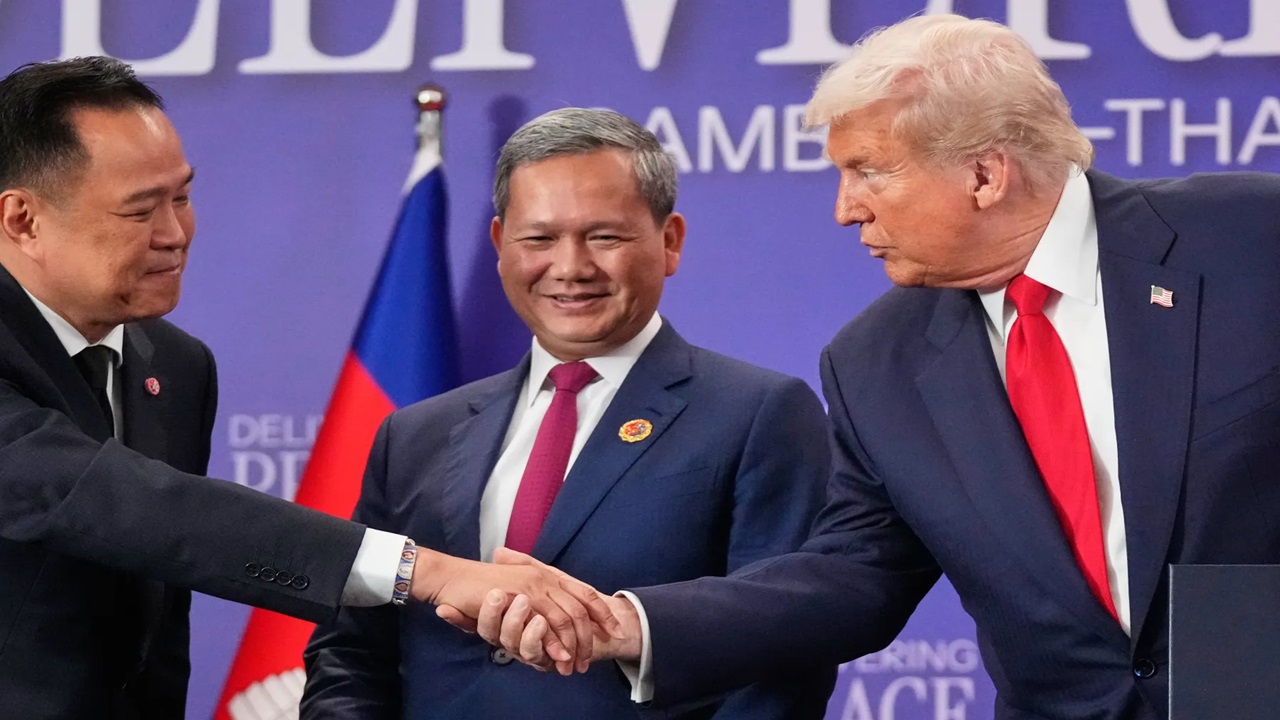
The 2025 Thailand-Cambodia border war has revived long-standing disputes over the Preah Vihear temple region, escalating dramatically from July 24. Initial clashes resulted in dozens of deaths and forced thousands to flee. Trump previously intervened, pressuring both sides toward a July 28 truce backed by tariff threats, formalized at an ASEAN summit in Malaysia on October 26, including detainee releases and withdrawal of heavy weapons. Despite these agreements, sporadic violations persisted, including a Cambodian civilian casualty in November, culminating in December artillery duels and airstrikes.
Trump’s public announcement of a “renewed ceasefire” on Truth Social credits his earlier mediation, but Anutin clarified that no formal agreement had been reached. He urged U.S. support for Cambodia to withdraw troops and clear landmines, framing Thailand’s operations as defensive. The lack of independent verification highlights the fragility of claims amidst continued skirmishes and absent neutral observers.
Verified Casualties and Displacement
The human toll from the clashes continues to rise. As of December 11–12, verified casualties include:
· Thailand: 10 soldiers killed in December, up from earlier reports of 4–6, with dozens more wounded, including 68 injured in December alone.
· Cambodia: 7–10 civilians killed, including an infant, with 20+ injured from Thai shelling near Ta Krabey temple on December 8–9.
Displacement figures are staggering. Renewed fighting since December 8 has forced over 500,000 people from their homes:
· Cambodia: 101,000–134,707 evacuated to shelters in Preah Vihear and other provinces, with 55,000–127,000 relocating internally.
· Thailand: Approximately 400,000 displaced, accommodated in 500 emergency shelters across four provinces. Earlier July clashes displaced 140,000–168,000 residents.
Discrepancies in reporting persist. Thai military data emphasize soldier casualties, while Cambodian authorities highlight civilian deaths. UN-affiliated agencies note aid delivered to 109,000 affected individuals, but comprehensive December figures remain unavailable due to ongoing conflict and restricted access.
Stakes and Strategic Implications
Anutin’s defiance reflects domestic pressures, where nationalist sentiment supports reclaiming the disputed 800 sq km, bolstering his political coalition amid economic challenges. Cambodia frames Thailand as the aggressor, potentially to divert attention from internal unrest. Trump’s intervention, leveraging U.S. trade influence, aims to stabilize ASEAN but lacks enforcement, risking escalation.
Regional economies and security are at risk: $10 billion in bilateral trade, tourism, and supply chains face disruption. Analysts argue that lasting peace requires ICJ demarcation, mine clearance, and neutral observers. Trump’s unverified ceasefire announcements could undermine U.S. credibility, potentially isolating Thailand if allies demand restraint.
Conflict Continues Despite Diplomatic Claims
Thailand’s rejection of a U.S.-brokered ceasefire underscores the complexity of border disputes where historical claims, national pride, and domestic politics intersect. Verified casualty and displacement figures reveal the human cost of continued hostilities, while diplomatic efforts remain fragile. Without enforceable mechanisms or neutral monitoring, the conflict is likely to persist, demonstrating the limits of external mediation in entrenched regional disputes.
(With agency inputs)