Spotlight on India’s Transformative Economic Agenda
During the India-Oman Business Forum on December 17, 2025, Prime Minister Narendra Modi underscored India’s sweeping economic reforms, emphasizing the role of the Comprehensive Economic Partnership Agreement (CEPA) in driving bilateral trade growth. The event positioned India as a reliable partner in Oman’s economic diversification, reinforcing the narrative of shared prosperity and strategic alignment in the Gulf region.
A Historical and Modern Partnership
India and Oman share a relationship spanning over two millennia, rooted in maritime Silk Road trade and evolving into a modern strategic partnership since 2008. Visits by Sultan Qaboos in the 1970s and Prime Minister Modi’s earlier trips in 2018 and 2024 have elevated ties to a “Comprehensive Strategic Partnership.” Today, Oman hosts approximately 800,000 Indian expatriates—the largest overseas Indian community—remitting nearly USD 5 billion annually, strengthening people-to-people and economic connections. Defense collaboration, including joint exercises and access to Omani ports for India’s naval operations, further cements strategic trust.
CEPA: Driving Economic Momentum
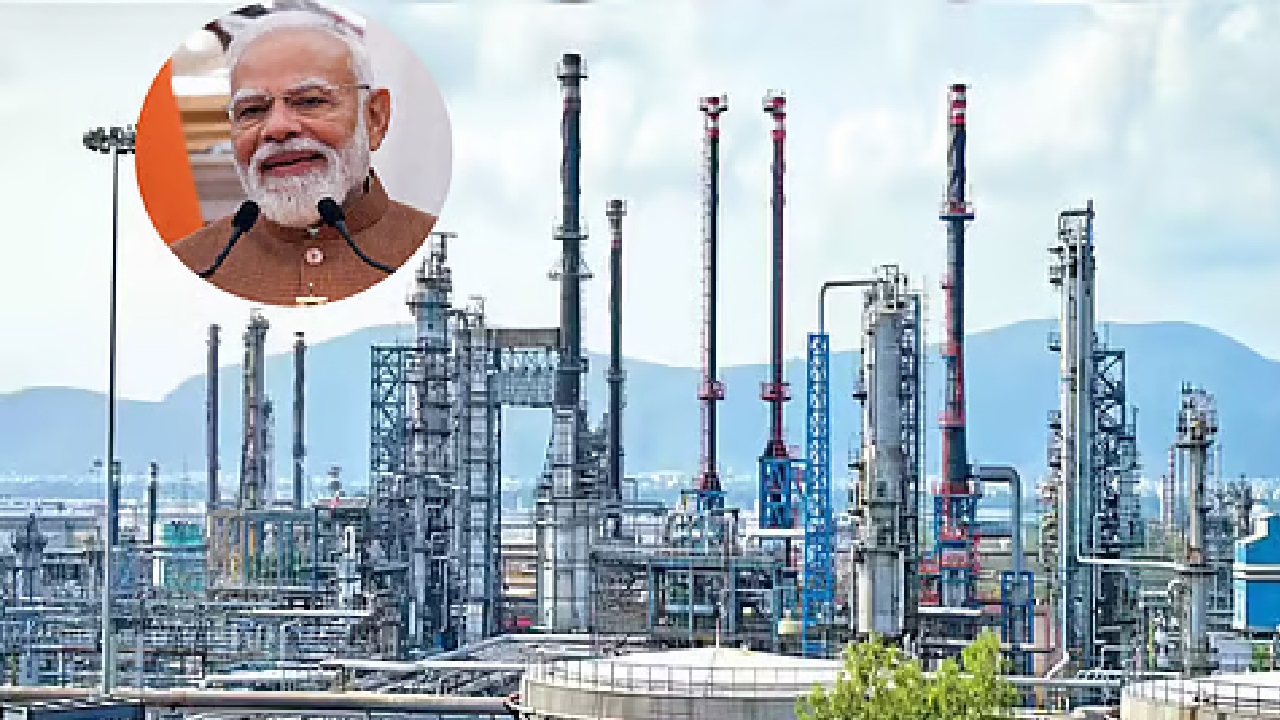
Modi highlighted CEPA’s transformative potential, projecting bilateral trade to rise from USD 14.5 billion in FY25 to USD 25 billion by 2030. The agreement provides zero-duty access for 90% of Indian exports in gems, textiles, and organic products, while enabling smooth imports of machinery and petrochemicals. Key sectors such as petroleum refining at Duqm—with a 40% Indian stake—food processing, renewables, and fintech stand to benefit, leveraging Oman Vision 2040’s goal of reducing oil dependency. Forum-level MoUs worth USD 2 billion signal tangible steps toward trade expansion and sectoral collaboration.
PM Modi’s Two-Day Oman Visit: Highlights and Diplomatic Engagements
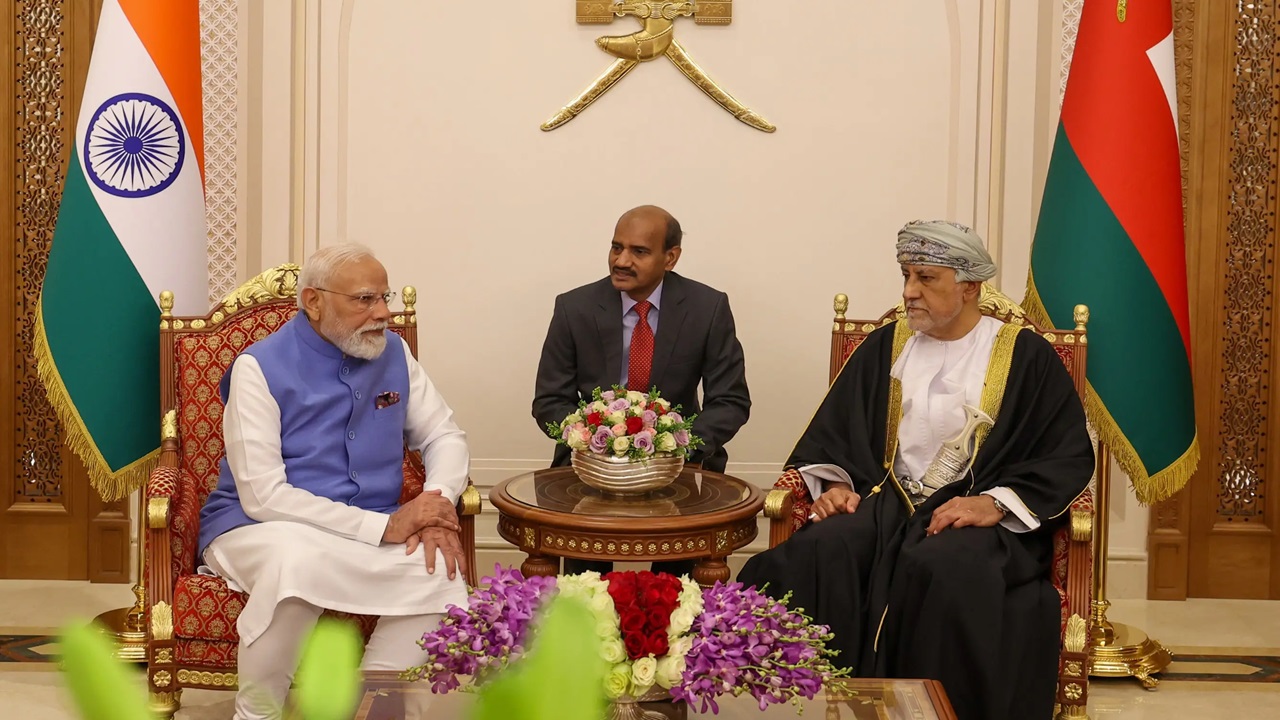
Modi’s visit, from December 17–18, 2025, marked the final leg of a three-nation Gulf tour. He received a ceremonial welcome in Muscat, followed by bilateral talks with Sultan Haitham bin Tarik. At the Business Forum, Modi addressed over 700 Indian diaspora members and school students, emphasizing India’s “economic DNA” reforms, historic maritime linkages, and the CEPA’s potential to double trade. Discussions reviewed defense, energy, and regional security, highlighting Oman’s role as a strategic gateway for India’s Gulf engagement.
Agreements and Strategic MoUs
The visit solidified CEPA commitments, overseen by Commerce Minister Piyush Goyal and Oman’s Qais Al Yousef. A Joint Vision Document and Executive Programme outlined cooperation in agriculture, food processing, innovation, and skills development. Four additional MoUs focused on maritime heritage, scientific research, skills enhancement, and trade facilitation between Oman’s Chamber of Commerce and India’s CII. These build on earlier agreements in defense, digital payments, health, IT, space, and agriculture, including fertilizer exports and VLSI chip development.
Strategic and Economic Implications
CEPA aligns with India’s USD 1 trillion export ambition and Oman Vision 2040, opening opportunities in Duqm logistics, renewable energy, and Chabahar-IMEC connectivity, bypassing Pakistan. Joint maritime patrols and security coordination protect India’s crude imports amid regional threats. Projected Omani FDI inflows of up to USD 10 billion could generate significant employment in sectors such as food processing and fintech. Modi’s Oman visit complements recent Gulf engagements, reinforcing a cumulative USD 100 billion FDI pipeline and deepening India’s strategic and economic footprint in the region.
Cementing a Multifaceted Partnership
PM Modi’s visit showcased a blend of economic reform advocacy, strategic foresight, and people-centric diplomacy. By leveraging CEPA and longstanding bilateral trust, India and Oman are poised to expand trade, diversify economic collaboration, and strengthen regional security cooperation. The visit underscores India’s capacity to combine policy depth, economic ambition, and cultural ties into enduring, mutually beneficial partnerships in the Gulf and beyond.
(With agency inputs)