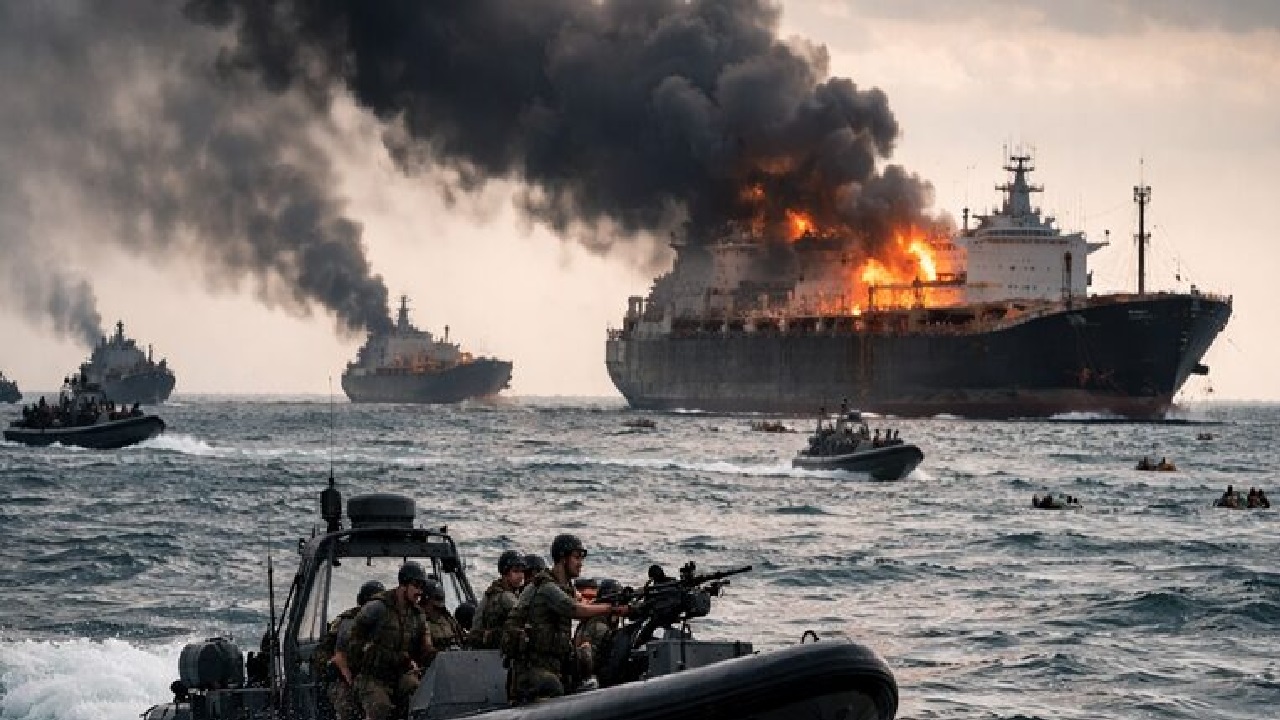
A Deadly Signal from Kadugli
The recent drone strike on UN peacekeepers stationed in Kadugli, South Kordofan, has sent shockwaves through international diplomatic circles. The attack, which killed six Bangladeshi soldiers and injured nine others, targeted a logistical hub supporting peace operations in the disputed Abyei region. Coming amid Sudan’s ongoing civil war, the incident underscores how modern warfare tools—particularly drones—are increasingly being turned against international missions, eroding the already fragile security environment for peacekeepers.
Abyei: A Conflict Frozen in Uncertainty
Abyei sits at the heart of one of Africa’s most protracted territorial disputes. Rich in oil and strategically located between Sudan and South Sudan, the region has remained in political limbo since the 2005 Comprehensive Peace Agreement ended Sudan’s north–south civil war. That agreement deferred Abyei’s final status to a referendum that has never taken place, largely due to disagreements over voter eligibility between the Ngok Dinka community and the nomadic Misseriya herders.
South Sudan’s independence in 2011 hardened these divisions, transforming Abyei into a symbolic and material prize. Seasonal clashes over land and grazing rights have persisted, while the absence of a permanent political settlement has allowed armed actors to exploit local grievances. The conflict has increasingly been influenced by wider instability within Sudan itself.
UNISFA’s Role in Sudan’s Fragile Peace Architecture
The United Nations Interim Security Force for Abyei (UNISFA) was established in 2011 to prevent the disputed territory from becoming a trigger for renewed war between Sudan and South Sudan. Its mandate focuses on demilitarizing the area, monitoring troop withdrawals, and protecting civilians caught between rival armed groups. With roughly 4,000 troops—primarily from Bangladesh and Ethiopia—UNISFA has served as a buffer force in a zone where neither state exercises full authority.
Beyond monitoring ceasefires, UNISFA facilitates humanitarian access and supports local peacebuilding mechanisms. Its patrols escort aid convoys, clear landmines, and deter communal violence linked to cattle raiding and migration routes. The mission also engages community leaders through joint peace committees, mediating disputes that could otherwise escalate into wider conflict.
However, UNISFA’s effectiveness has always depended on regional cooperation. The mission lacks its own political enforcement tools and relies on Sudanese and South Sudanese authorities to uphold agreements—an increasingly unrealistic expectation amid Sudan’s internal war.
The Broader Security Implications of the Drone Attack
The Kadugli strike reflects how Sudan’s civil war between the Sudanese Armed Forces (SAF) and the Rapid Support Forces (RSF) is spilling into peripheral regions like Abyei. The widespread availability of armed drones has blurred traditional front lines and made peacekeeping bases vulnerable. While blame for the attack is contested, its impact is clear: it weakens deterrence, threatens troop-contributing countries’ commitment, and raises questions about the safety of UN personnel.
For Bangladesh, one of the UN’s largest peacekeeping contributors, the deaths have intensified domestic scrutiny over continued deployments. For the UN Security Council, the incident exposes the limits of condemnation without enforcement, particularly in a polarized geopolitical environment where consensus on sanctions or arms embargoes remains elusive.
Peacekeeping at a Crossroads
The attack on peacekeepers in Kadugli is more than a tragic loss of life; it is a warning about the future of international peace operations in high-intensity conflict zones. UNISFA remains a critical stabilizing force in Abyei, preventing a localized dispute from igniting a broader Sudan–South Sudan confrontation. Yet without renewed political commitment, stronger protection mechanisms, and progress toward resolving Abyei’s final status, even the most dedicated peacekeepers operate on borrowed time. In Sudan’s fractured landscape, peace can no longer be assumed—it must be actively defended.
(With agency inputs)