Saudi Arabia’s Warning Shot to Islamabad
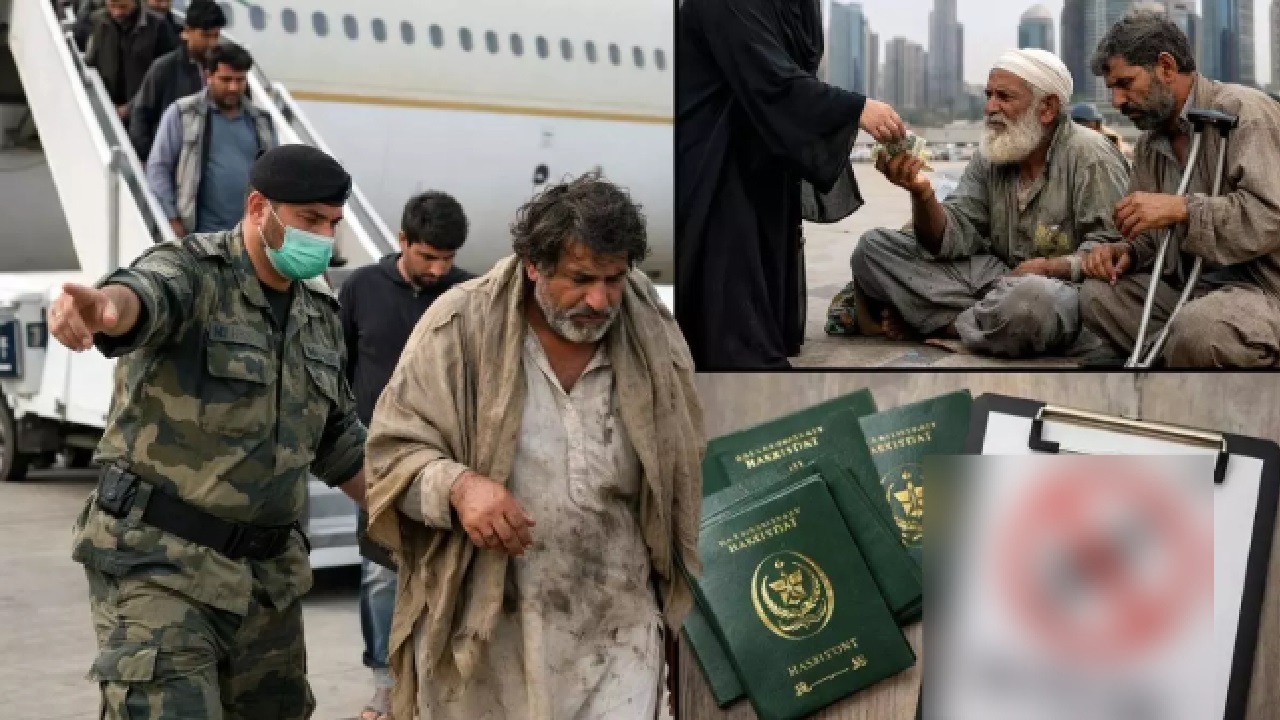
Saudi Arabia’s deportation of nearly 24,000 Pakistani nationals in 2025 has sent a sharp and public signal to Islamabad. Riyadh’s action, aimed largely at dismantling organized begging networks operating under the guise of religious travel, marks one of the most serious reputational setbacks Pakistan has faced in the Gulf in recent years. With similar restrictions emerging from the United Arab Emirates, the issue has moved beyond law enforcement into the realm of diplomacy and national credibility.
A Crisis Rooted in Economic Desperation
At the heart of the deportations lies a complex mix of poverty, migration pressures, and systemic exploitation. Pakistan’s prolonged economic distress—characterized by high inflation, shrinking job opportunities, and declining remittances—has made overseas travel, even for illicit purposes, appear attractive to vulnerable citizens. Criminal syndicates have capitalized on this desperation by misusing Umrah visas, transforming a sacred religious journey into a commercialized begging enterprise that has alarmed host countries.
Understanding the Umrah Visa and Its Misuse
An Umrah visa is a short-term, Saudi-issued permit allowing Muslims to perform Umrah, a voluntary pilgrimage to Mecca and Medina that can be undertaken year-round, unlike the annual Hajj. The visa is strictly limited in duration and purpose: it does not allow employment, business activity, or extended stays beyond prescribed timelines.
However, organized networks in Pakistan have systematically abused this system. Agents reportedly charge exorbitant fees to arrange Umrah or tourist visas, promising access to lucrative begging locations near holy sites. Pilgrims are coached, transported, and monitored by handlers who channel daily collections—often amounting to millions of dollars—through informal money transfer systems. Saudi authorities, using advanced surveillance and tracking tools, have increasingly identified and penalized such violations, culminating in mass deportations and blacklisting.
Saudi and Gulf Response: Enforcement with Consequences
Saudi Arabia’s response has been uncompromising. Individuals found begging face detention, jail terms, and immediate deportation, while repeat offenders’ risk long-term entry bans. Authorities have warned that continued abuse could lead to broader restrictions on Pakistani pilgrims, including potential curbs on Umrah and Hajj quotas.
The UAE has followed a similar path, sharply limiting visas for Pakistani nationals after linking post-arrival criminal activity—including begging—to reputational and security concerns. Together, these actions reflect growing Gulf frustration with what is increasingly viewed as “exported poverty” and weak upstream controls.
Pakistan’s Countermeasures: Screening, Regulation, and Diplomacy
In response, Pakistan has intensified efforts to prevent Umrah visa misuse. The Federal Investigation Agency (FIA) has expanded pre-departure profiling at major airports, using biometric checks, travel histories, and behavioural indicators to flag high-risk passengers. Tens of thousands have been offloaded in 2025 alone, many suspected of intending to beg abroad.
Legislative and regulatory steps have also been introduced. Travel agencies facilitating Umrah visas now face stricter licensing requirements, financial penalties, and possible closure. Pilgrims are required to submit formal declarations affirming they will not engage in begging, while repeat offenders risk passport cancellations and placement on exit control lists.
On the diplomatic front, Islamabad has engaged Saudi and Emirati officials to contain the fallout, while Pakistani missions in the Gulf have expanded legal assistance for detained nationals.
A Test of Governance and Global Standing
The deportations underscore a deeper governance challenge for Pakistan. While enforcement measures may reduce immediate abuses, lasting solutions demand economic stabilization, job creation, and decisive action against trafficking and begging mafias. Failure to address root causes risks further visa restrictions, declining remittances, and erosion of Pakistan’s standing in the Muslim world. Preserving the sanctity of Umrah—and the country’s international reputation—now depends on whether Islamabad can move from reactive policing to structural reform.
(With agency inputs)