A Historic Oath in New York City
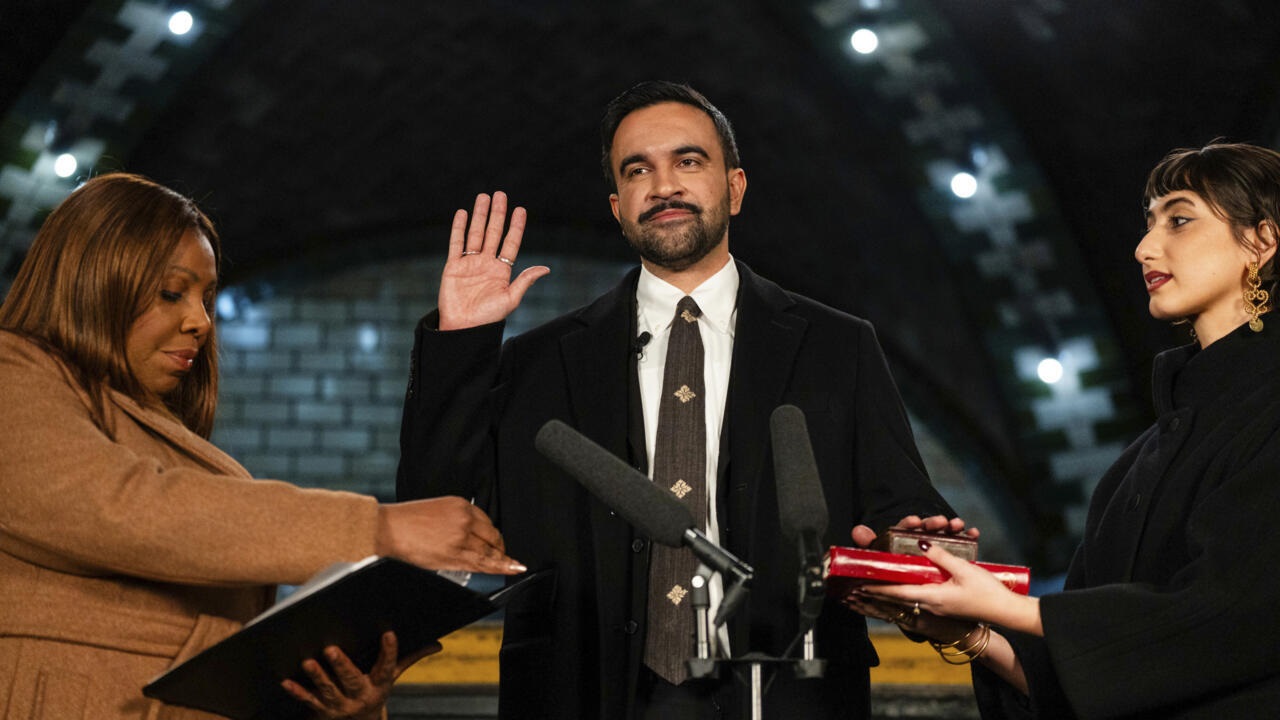
On January 1, 2026, New York City entered a new chapter in its political history when Zohran Mamdani was sworn in as mayor, becoming the city’s first Muslim to hold the office. Taking the oath on the Quran, the 34-year-old leader symbolized both a personal milestone and a broader shift in the cultural and political landscape of America’s largest metropolis. The moment resonated far beyond City Hall, reflecting changing demographics and evolving ideas of leadership in the United States.
A New Face of Urban Leadership
Mamdani’s ascent to the mayoralty represents more than generational change. It highlights the growing influence of immigrant communities, progressive politics, and faith-based diversity in public life. Emerging from grassroots activism rather than traditional political pipelines, Mamdani embodies a model of leadership shaped by social movements, urban inequality, and a demand for inclusive governance.
From Immigrant Roots to City Hall
Born in Kampala, Uganda, to Indian parents and raised in New York, Mamdani’s background reflects the layered identities common in global cities. Before entering electoral politics, he was active as an organizer and cultural figure, using music and community work to connect with young voters. His election to the New York State Assembly in 2020 established him as a rising progressive voice, and his mayoral campaign—launched in late 2024—capitalized on dissatisfaction with entrenched political elites.
Defying expectations, Mamdani defeated well-known rivals in the Democratic primary and went on to secure a decisive general election victory. His platform centered on affordability: housing stability, expanded public transportation, universal childcare, and higher wages funded through progressive taxation. The campaign’s message framed economic inequality as the defining challenge of city governance.
The Significance of a First Muslim Mayor
Mamdani’s election carries particular weight in U.S. politics because it elevates Muslim representation to one of the country’s most visible executive offices. In a nation where Muslims constitute just over one percent of the population and have often faced suspicion and discrimination, his victory signals normalization and acceptance—especially in urban centers. For New York’s sizable Muslim community, the moment affirmed civic belonging and political agency.
Nationally, the symbolism extends further. Mamdani joins a small but growing group of Muslim elected officials who have reshaped perceptions of who can lead in America. His success challenges narratives that portray religious identity as a political liability and instead demonstrates that competence, ideas, and coalition-building can transcend faith-based divisions.
Progressive Politics and National Implications
As a democratic socialist, Mamdani’s leadership also reflects a broader ideological shift within segments of the Democratic Party. His win suggests renewed energy for policies focused on redistribution and public goods, particularly among younger voters. Supporters view his mayoralty as a counterweight to rising populism on the right, while critics warn of fiscal strain and business flight.
Beyond New York, the election could influence national politics by energizing Muslim and immigrant voters, especially in closely contested states. It also tests whether openly progressive governance can succeed in a global financial hub.
Representation Meets Responsibility
Zohran Mamdani’s inauguration as New York City’s first Muslim mayor is a landmark moment in American political history. It reflects demographic change, expanding inclusion, and a reimagining of urban leadership. Yet symbolism alone will not define his legacy. The true measure of this historic first will lie in whether Mamdani can translate representation and progressive ideals into effective governance for a complex, diverse city—setting a precedent not just for New York, but for American politics as a whole.
(With agency inputs)