



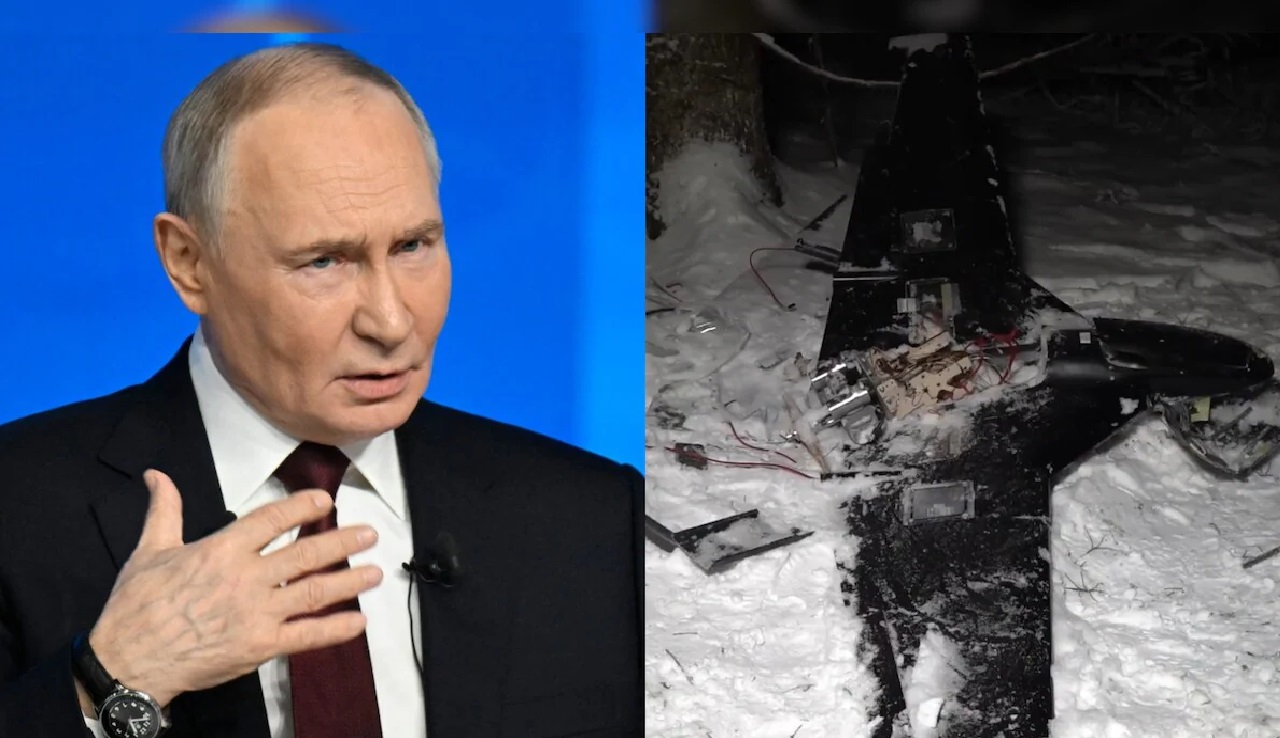
A Dramatic Claim Sparks Global Ripples
Late in December 2025, Moscow jolted the international arena with a grave allegation: Ukraine had attempted a drone strike on President Vladimir Putin’s private residence near Lake Valdai. According to Russian officials, dozens of long-range drones were intercepted before causing any damage. The claim, dramatic in both scale and symbolism, triggered swift reactions—from denials in Kyiv to skepticism in Washington—and threatened to derail already fragile diplomatic efforts aimed at de-escalating the war.
Setting the Context: A Volatile Moment in the War
The accusation emerged at a sensitive juncture. Ceasefire discussions brokered by the United States were struggling to gain traction after a high-profile meeting between U.S. President Donald Trump and Ukrainian President Volodymyr Zelenskyy. Against this backdrop, Russia’s narrative of a direct threat to Putin’s life instantly reframed the diplomatic climate, raising questions about intent, credibility, and strategic messaging.
Moscow’s Narrative: Security Threat or Strategic Leverage?
The Kremlin asserted that 91 Ukrainian drones were launched toward Putin’s Novgorod-region residence and were neutralized by air defenses. Foreign Minister Sergey Lavrov portrayed the incident as proof that Kyiv had embraced “terrorist methods,” arguing that such actions justified Russia’s uncompromising stance in negotiations, including renewed demands for Ukraine’s demilitarization. Kremlin spokesman Dmitry Peskov echoed this tone, hinting at retaliation while withholding details about Putin’s whereabouts.
For analysts, the scale of the alleged attack—and the absence of verifiable evidence—raised red flags. Russia released limited drone footage without independent confirmation, fueling suspicions that the episode served more as psychological warfare than as a factual security breach.
Kyiv and Its Allies Push Back
Ukraine responded with an unequivocal denial. President Zelenskyy dismissed the allegation as a fabrication designed to sabotage peace talks, reiterating that Ukrainian strikes target only military infrastructure. Kyiv’s foreign ministry reinforced this message, calling the claim a disinformation campaign timed to justify Russia’s hardline posture.
European Union officials largely aligned with Kyiv’s assessment, noting the technical improbability of penetrating layered Russian air defenses over a distance exceeding 1,000 kilometers to strike a residential site. Several European diplomats privately characterized the story as propaganda aimed at domestic and international audiences.
Washington Weighs In: Intelligence Versus Rhetoric
Initially, President Trump expressed anger at the prospect of an assassination attempt, stating he was awaiting intelligence confirmation. That confirmation never came. By December 31, U.S. intelligence agencies—led by CIA Director John Ratcliffe—concluded that there was no evidence Ukraine had targeted Putin’s residence. According to assessments later reported by U.S. media, Ukrainian drones had struck nearby military facilities instead.
This marked a rare public divergence between Russian claims and U.S. intelligence during Trump’s presidency. Trump subsequently shared commentary questioning Moscow’s version of events, signaling growing skepticism within the White House.
Strategic Implications: A Claim That May Backfire
The episode underscores how information warfare now runs parallel to kinetic conflict. By amplifying an unproven assassination narrative, the Kremlin appeared to seek moral leverage and sympathy, particularly from leaders inclined toward negotiation concessions. Yet the rapid debunking by U.S. intelligence and the absence of corroborating evidence risked undermining Moscow’s credibility.
Truth as the First Casualty
The alleged drone plot illustrates how modern conflicts are fought as fiercely in the realm of perception as on the battlefield. Without proof, Russia’s claim has struggled to gain acceptance and may ultimately isolate Moscow further, even as drone warfare intensifies on both sides. As diplomacy falters and narratives harden, the incident serves as a reminder that in wartime, disinformation can be as consequential—and as dangerous—as missiles.
(With agency inputs)