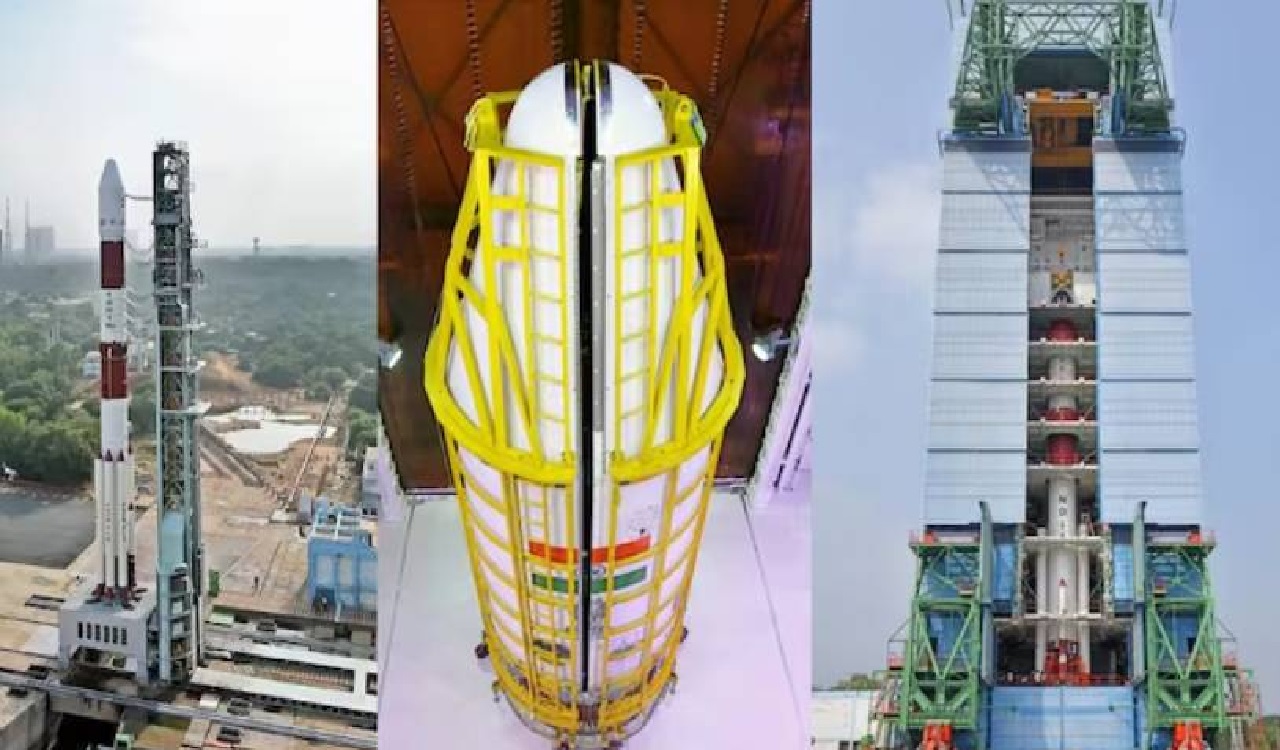
ISRO’s PSLV-C62 mission, launched on January 12, 2026, from Sriharikota at 10:18 a.m. IST, was expected to reaffirm the Polar Satellite Launch Vehicle’s reputation as India’s most dependable launcher. Instead, a malfunction in the third stage abruptly ended the flight, resulting in the loss of 16 satellites, including key payloads such as EOS-N1 and DRDO’s Anvesha. The failure marked the second consecutive anomaly linked to the PSLV’s third stage, raising both technical and financial concerns for India’s space programme.
Why PSLV-C62 Mattered
The PSLV has long been the backbone of India’s space ambitions, particularly for Earth observation, defence missions, and commercial rideshare launches. PSLV-C62 was significant not only for its strategic payloads but also because it represented NewSpace India Limited’s (NSIL) ninth commercial mission, carrying satellites for multiple international customers. The loss therefore extends beyond a technical mishap, touching national security objectives and India’s growing role in the global launch market.
Mission Profile and Failure Overview
PSLV-C62 was the 64th flight of the four-stage vehicle and targeted a 505-kilometre sun-synchronous orbit. Its primary payload, EOS-N1, weighed nearly 1,700 kg and was designed for hyperspectral imaging to support agriculture, resource monitoring, and surveillance. DRDO’s Anvesha, a defence surveillance satellite of about 400 kg, was the second major payload.
The launch proceeded smoothly through the first two stages. However, during the terminal phase of the solid-fuelled third stage (PS3), an anomaly caused a deviation in the flight path roughly half an hour after lift-off. As a result, none of the satellites could be deployed. ISRO has initiated a detailed investigation, with early attention focused on possible propulsion or structural issues within the aging PS3 design.
Financial Impact on NSIL and Partners
The failure carries a substantial financial cost, particularly for NSIL, which markets PSLV launches commercially. NSIL is estimated to have booked approximately ₹350 crore in launch revenues from 14–15 commercial co-passenger satellites, charging around ₹35–50 crore per slot depending on mass and mission profile. With typical insurance coverage of about 70 percent, NSIL is likely to absorb a net loss of ₹100–150 crore after claims and contractual adjustments.
Beyond lost revenue, NSIL may face penalty clauses, customer compensation, and reputational damage that could affect future bookings. The cost of the launch vehicle and operations—around ₹250 crore—is largely borne by ISRO, but the broader financial exposure is shared across the ecosystem.
Losses to Government and Private Stakeholders
For the Indian government, the destruction of EOS-N1 and Anvesha represents a combined development loss estimated at over ₹700 crore, excluding the indirect cost of delayed surveillance and remote-sensing capabilities. Rebuilding these satellites will require fresh budgetary allocations and time.
Private and international partners have also taken hits. Indian startups such as OrbitAid lost experimental platforms worth ₹10–20 crore, potentially affecting investor confidence. Overseas customers collectively lost satellites valued near ₹100 crore, increasing the risk that future missions may shift to competitors like SpaceX.
A Costly Pause, not a Full Stop
The PSLV-C62 failure underscores the financial stakes tied to reliability in commercial spaceflight. While insurance cushions part of the blow, repeated setbacks could strain NSIL’s revenue targets and weaken India’s competitive standing if not addressed swiftly. However, ISRO’s history suggests resilience: thorough investigation, corrective redesigns, and diversification toward vehicles like LVM3 and SSLV could restore confidence. In the long run, the episode serves as a reminder that sustaining leadership in space demands not only ambition, but continuous reinvestment in reliability and transparency.
(With agency inputs)