


A Diplomatic Surprise with Strategic Ripples
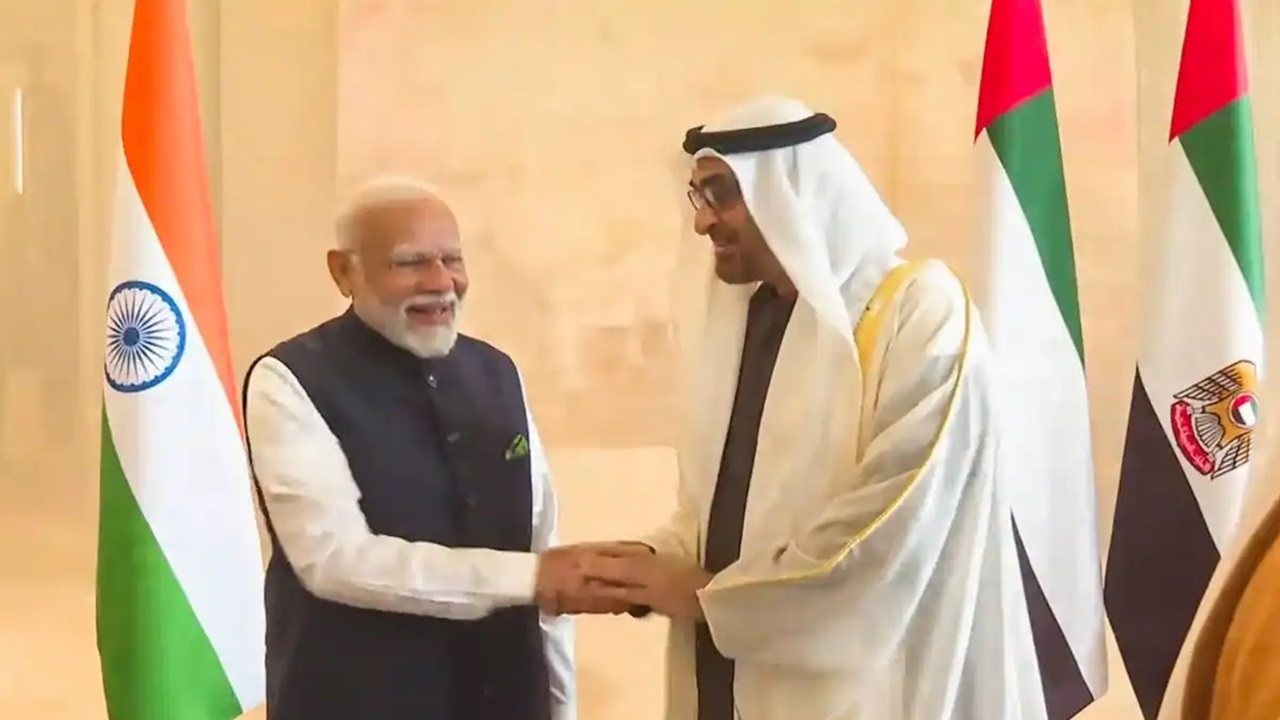
The United Arab Emirates’ decision to step away from managing Pakistan’s Islamabad International Airport has drawn attention not only for its economic implications, but for its timing. The move followed closely on the heels of a brief, unannounced visit to India by UAE President Sheikh Mohammed bin Zayed Al Nahyan in mid-January 2026. Though Abu Dhabi has offered no formal linkage between the two developments, together they point to a subtle yet consequential recalibration of the UAE’s regional priorities.
Setting the Stage: Growing Strains and Shifting Ties
South Asia’s geopolitical landscape is increasingly shaped by external partnerships. India has deepened strategic, economic, and defense cooperation with Gulf states, particularly the UAE, while Pakistan has struggled with economic instability and diplomatic narrowing. Against this backdrop, any major Gulf decision involving Pakistan is closely scrutinized. The UAE’s withdrawal from a high-profile infrastructure agreement has therefore been read less as a commercial adjustment and more as a signal within a broader matrix of regional tensions.
The Islamabad Airport Deal: From Promise to Abandonment
In August 2025, the UAE had agreed in principle to take over operations of Islamabad International Airport as part of Pakistan’s privatization drive. The plan was intended to inject capital and managerial expertise into an aviation sector marred by safety controversies, financial losses, and reputational damage. For Islamabad, the deal symbolized confidence from a trusted Gulf partner at a time of acute fiscal stress.
By January 2026, however, the initiative quietly unravelled. Reports indicated that Emirati stakeholders had “lost interest,” failing to nominate a local operating partner or advance negotiations. While no political explanation was offered publicly, the abrupt disengagement came amid shifting Gulf dynamics—particularly Saudi Arabia’s renewed defense alignment with Pakistan—suggesting that Abu Dhabi may be reassessing where its strategic investments deliver the greatest long-term returns.
Humanitarian Diplomacy: A Parallel Signal to India
Almost simultaneously, the UAE announced the release of more than 900 Indian nationals from its prisons, covering outstanding fines and legal penalties. This decision followed Sheikh Mohammed’s visit to India and was framed as part of a broader humanitarian pardon ahead of the UAE’s National Day. For India’s large expatriate community—numbering over 3.5 million—this gesture carried significant emotional and political resonance.
Beyond humanitarian optics, the move reinforced the narrative of deepening India–UAE trust. It complemented existing cooperation across defense, energy, technology, and trade, and underscored Abu Dhabi’s willingness to invest diplomatic capital in its relationship with New Delhi.
Strategic Context: India’s Rise, Pakistan’s Constraints
India–UAE relations have expanded rapidly, marked by a defense cooperation framework, ambitious trade targets nearing $200 billion by the early 2030s, and discussions on advanced energy and nuclear collaboration. For Abu Dhabi, India represents a stable market, a strategic partner in the Indo-Pacific, and a counterweight in an increasingly multipolar world.
Pakistan, by contrast, faces mounting economic pressures and shrinking maneuvering space. The loss of the airport deal compounds its reliance on Saudi financial support and highlights its limited leverage amid Gulf rivalries. Analysts in Islamabad view the UAE’s shift as a diplomatic setback that reflects broader regional realignments.
Quiet Choices, Lasting Consequences
The UAE’s retreat from the Islamabad airport project, paired with high-visibility goodwill toward India, illustrates how strategic signaling often unfolds through administrative decisions rather than grand declarations. Abu Dhabi appears to be prioritizing partnerships that offer long-term stability, diversified returns, and geopolitical alignment. For South Asia, this pivot subtly alters the balance, strengthening India’s external position while exposing Pakistan’s vulnerabilities. In 2026, such quiet recalibrations may prove as influential as any formal alliance.
(With agency inputs)