Russia Invites Zelenskyy to Moscow, Guarantees Safety
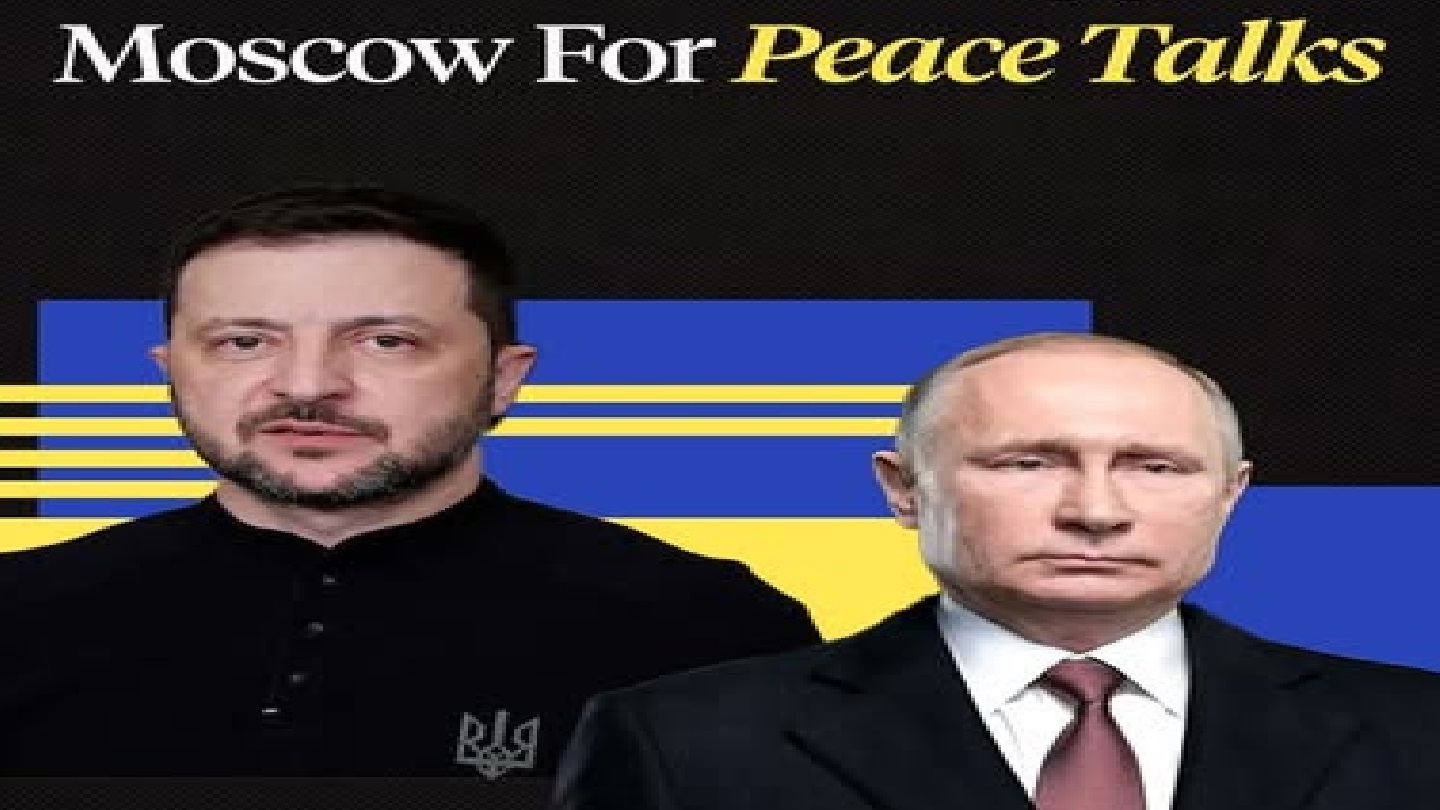
In a striking diplomatic move, Russia has formally invited Ukrainian President Volodymyr Zelenskyy to Moscow for direct peace negotiations, publicly pledging his personal safety and promising conditions suitable for serious dialogue. Kremlin officials framed the proposal as part of renewed efforts to move discussions toward tangible outcomes following recent international mediation attempts. The invitation follows trilateral talks involving U.S., Russian, and Ukrainian representatives in Abu Dhabi, which participants described as constructive and set to continue in early February. The development marks the first time since the early stages of the conflict that Moscow has openly suggested hosting Zelenskyy for direct negotiations.
A Diplomatic Window Reopens
The invitation emerges amid growing international pressure to end a war that has dragged on since Russia’s full-scale invasion in February 2022. After years of battlefield stalemate, heavy casualties, and mounting economic strain across Europe, diplomatic channels are cautiously reopening. Ukraine continues to insist on sovereignty and security guarantees, while Russia seeks recognition of territorial gains and long-term strategic assurances. The Moscow proposal, therefore, represents more than symbolism—it signals a potential shift toward direct engagement after prolonged indirect negotiations mediated by external powers.
Conflict Background and Current Negotiation Dynamics
The war’s roots stretch back to Russia’s annexation of Crimea in 2014 and subsequent fighting in eastern Ukraine. Despite multiple attempts at negotiation, including talks in Istanbul in 2022, both sides hardened positions as fighting intensified. Western military and financial support enabled Ukraine to prevent rapid Russian advances, but the conflict eventually hardened into entrenched front lines with devastating humanitarian consequences.
Recent diplomacy, however, suggests fatigue on all sides. The Abu Dhabi trilateral discussions addressed ceasefire mechanisms, prisoner exchanges, infrastructure protection, and the future of contested territories. While breakthroughs remain limited, confidence-building measures—such as temporary pauses in strikes on energy facilities—indicate that both Kyiv and Moscow may be testing pathways toward de-escalation without immediate concessions.
Trump’s Influence on Renewed Peace Momentum
A key factor behind the diplomatic revival has been the role of U.S. President Donald Trump since returning to office in January 2025. Trump pledged to accelerate peace efforts and used a combination of political pressure, aid leverage, and direct communication with both leaders to restart stalled discussions.
His administration facilitated security discussions with Kyiv while maintaining direct lines with Moscow, reportedly helping secure temporary agreements protecting civilian infrastructure during winter months. Trump’s envoys have shuttled between capitals proposing ceasefire frameworks and phased negotiations covering territory, reconstruction funding, and future security arrangements.
Critics argue that some proposals risk pressuring Ukraine into territorial compromises, while supporters claim Trump’s transactional diplomacy has succeeded in pushing all parties back to the negotiating table. Regardless of perspective, his administration’s involvement has undeniably altered the diplomatic tempo.
A Fragile Opportunity, not a Guaranteed Breakthrough
Russia’s invitation to Zelenskyy and renewed international mediation reflect cautious optimism but do not guarantee peace. Major obstacles remain—territorial disputes, security guarantees, domestic political pressures, and mutual distrust continue to complicate negotiations. Yet the willingness to reopen dialogue suggests recognition that military solutions alone cannot resolve the conflict.
Whether the Moscow meeting materializes or not, the current diplomatic momentum presents a rare opportunity. Lasting peace will demand compromise, international guarantees, and political courage on all sides. For now, the invitation represents a tentative but meaningful step toward ending one of Europe’s most destructive conflicts in decades.
(With agency inputs)