


A Ceremonial Invite with Strategic Undertones
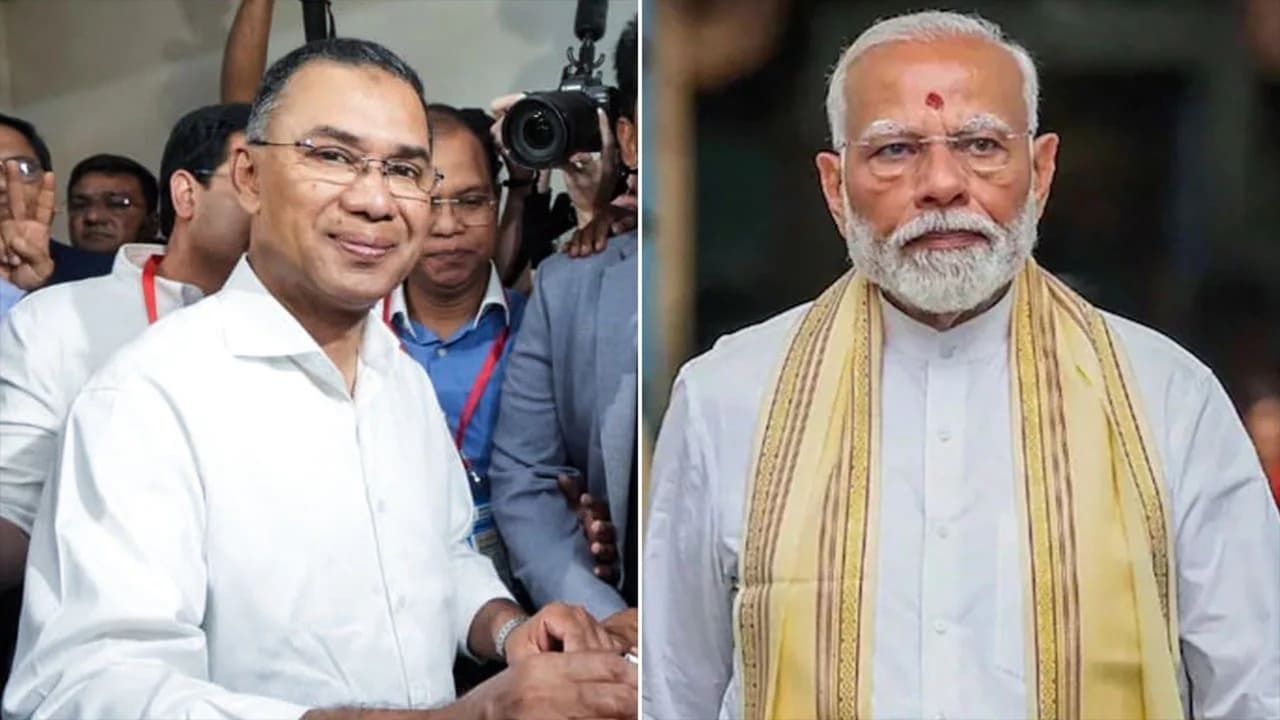
Bangladesh’s interim administration has formally invited Prime Minister Narendra Modi to attend the swearing-in of Bangladesh Nationalist Party (BNP) leader Tarique Rahman as prime minister, marking a pivotal political transition after the fall of Sheikh Hasina in 2024. The invitation to New Delhi for the February 17 ceremony has generated diplomatic curiosity: will India’s top leadership attend and what would that signal about ties in a rapidly shifting South Asian landscape?
While Modi is unlikely to be physically present due to pre-scheduled engagements, India is expected to send a senior representative, maintaining protocol while avoiding the optics of either over-commitment or disengagement. The moment carries significance beyond ceremony. It represents the first major diplomatic interaction between New Delhi and a BNP-led government in over a decade and could shape the trajectory of bilateral ties for years to come.
Transition in Dhaka: From Awami League Dominance to BNP Rule
Rahman’s ascension follows a landslide electoral victory for the BNP after Sheikh Hasina’s ouster amid mass protests in August 2024. For nearly 15 years, India had built a close strategic partnership with Hasina’s Awami League government, particularly on security cooperation, connectivity and counter-terrorism. Her exit abruptly altered that dynamic.
The invitation to Modi reflects Dhaka’s intent to stabilise regional relations and reassure neighbours. By inviting multiple countries—including regional powers and Gulf partners—Bangladesh appears keen to signal a balanced foreign policy approach under the new administration. India’s decision on representation therefore becomes a diplomatic message in itself: one of cautious engagement rather than enthusiastic endorsement.
India-Bangladesh Ties After Sheikh Hasina: From Strain to Reset
Relations between India and Bangladesh cooled sharply in the months following Hasina’s departure. Her stay in India and Dhaka’s subsequent legal and political demands for her return triggered public anger and anti-India rhetoric in Bangladesh. Visa services were disrupted temporarily, and concerns emerged over minority safety and border tensions.
Yet economic and strategic interdependence has kept both sides engaged. Bangladesh remains India’s largest trading partner in South Asia, with bilateral trade exceeding $14 billion. Energy cooperation, rail connectivity and cross-border infrastructure projects continue to bind the two economies. Even during political turbulence, these structural links prevented a complete diplomatic breakdown.
With Rahman poised to take office, both governments appear to be exploring a pragmatic reset. The BNP leadership has signalled interest in maintaining strong ties with India while pursuing a more diversified foreign policy. New Delhi, in turn, is likely to prioritise continuity in trade, connectivity and security cooperation while navigating sensitive issues such as extradition demands and water-sharing agreements.
Regional and Strategic Implications
The new political landscape in Dhaka introduces additional geopolitical complexity. China’s economic footprint in Bangladesh remains significant, and Islamabad has also sought to re-engage. India’s calibrated response—high-level representation without over-politicising attendance—reflects an effort to maintain influence while respecting Bangladesh’s internal political transition.
Future engagement will hinge on early bilateral visits, progress on longstanding issues such as the Teesta water-sharing pact, and reassurance on security cooperation. For both nations, stability along the eastern border and continuity in economic integration remain top priorities.
Ceremony as a Signal of a Cautious New Chapter
The invitation to Modi for Tarique Rahman’s swearing-in is more than a ceremonial gesture—it is a test of how India and Bangladesh will redefine their partnership in a post-Hasina era. While top-level attendance may be shaped by scheduling and diplomatic calculation, the broader message is clear: both sides are seeking a functional reset rather than a rupture.
If managed pragmatically, the transition in Dhaka could open space for a more balanced, institutionalised relationship—less dependent on individual leaders and more anchored in shared economic and security interests. The coming months will reveal whether this moment marks a temporary adjustment or the beginning of a durable new phase in India-Bangladesh relations.
(With agency inputs)