BSNL Director’s Lavish Prayagraj Protocol Ignites VIP Culture Row
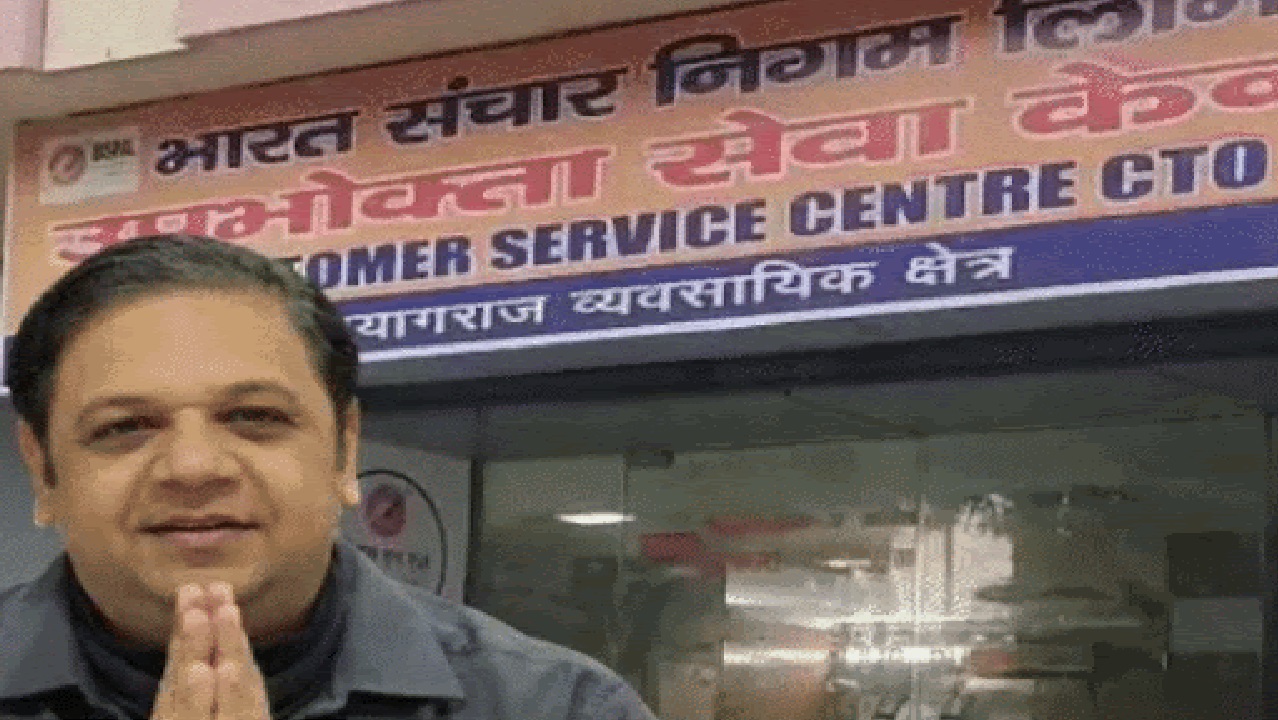
What was meant to be a routine official visit turned into a reputational flashpoint for Bharat Sanchar Nigam Limited (BSNL). A leaked internal document detailing elaborate arrangements for Director (Consumer Fixed Access) Vivek Banzal’s February 25, 2026 visit to Prayagraj triggered widespread outrage, forcing the cancellation of the programme and reigniting debate over VIP culture in public sector undertakings (PSUs).
The controversy erupted after a February 19 directive, reportedly issued by a Deputy General Manager (DGM), outlined extensive hospitality protocols for Banzal’s two-day stay. The leak, which quickly went viral on social media, painted a picture of bureaucratic excess at odds with BSNL’s ongoing financial recovery efforts.
Minute-to-Minute Extravagance Under Scrutiny
The internal standard operating procedure (SOP) assigned more than 50 officers and staff to manage reception, transport, meals, and even religious site coordination during the visit. The most contentious detail involved arrangements for a ceremonial dip at the Triveni Sangam.
Teams were tasked with handling wet clothes and personal belongings post-bath, while specially prepared bath kits—six for men and two for women—were to include water bottles, chocolates, snacks, juice, undergarments, slippers, toiletries, combs, mirrors, and towels. Escort duties extended to temple visits with coordinated refreshments and hospitality throughout.
Critics described the protocol as “maharaja-level” opulence, particularly jarring for a government-owned telecom operator that has relied on revival packages and taxpayer support in recent years.
Social Media Backlash and Optics Crisis
The SOP’s leak sparked immediate online fury. Hashtags such as #VIPCulture and #BSNLRoyalTour trended, with users questioning the deployment of over 50 staff for a single official’s visit. The optics were especially damaging given BSNL’s push to modernize its network, roll out 5G services, and regain market share in a fiercely competitive telecom landscape.
Public discourse quickly broadened from this isolated event to systemic concerns about bureaucratic entitlement in loss-making PSUs. Critics argued that such extravagance undermines claims of fiscal discipline and erodes public trust in state-run enterprises striving for turnaround.
Has BSNL Taken Internal Action?
Facing mounting backlash, BSNL cancelled the visit by February 23. In an official clarification posted on X, the organization stated that the instance of “non-adherence” to established professional standards had been noted and that “appropriate action has been taken against the concerned.”
However, BSNL did not disclose specifics—such as suspensions, warnings, or disciplinary measures—nor did it name individuals beyond acknowledging the role of the DGM who issued the directive. The protocol was declared invalid, and fresh instructions were reportedly issued reiterating strict adherence to existing guidelines.
While the swift cancellation and acknowledgment suggest damage control, the absence of transparent details leaves open questions about the depth and deterrent effect of the internal action.
Broader Implications for Public Sector Governance
The episode highlights persistent tensions within India’s administrative culture—between legacy VIP norms and contemporary expectations of accountability. In an era where social media functions as an instant watchdog, institutional missteps can escalate rapidly into national controversies.
For BSNL, which is navigating a crucial revival phase amid private-sector competition, reputational setbacks carry tangible risks. Public perception matters not only for consumer trust but also for investor and policy credibility.
A Lesson in Optics and Accountability
The Prayagraj protocol controversy underscores how even routine official engagements can spiral into governance crises when optics clash with fiscal realities. BSNL’s prompt cancellation and acknowledgment of internal lapses reflect responsiveness—but transparency and systemic reform will determine whether this remains an isolated embarrassment or a catalyst for change.
As India pushes toward a “Viksit Bharat” vision emphasizing efficiency and austerity, public institutions must align conduct with commitment. Leaner protocols, clearer accountability, and visible corrective measures are no longer optional—they are essential to restoring faith in public administration.
(With agency inputs)