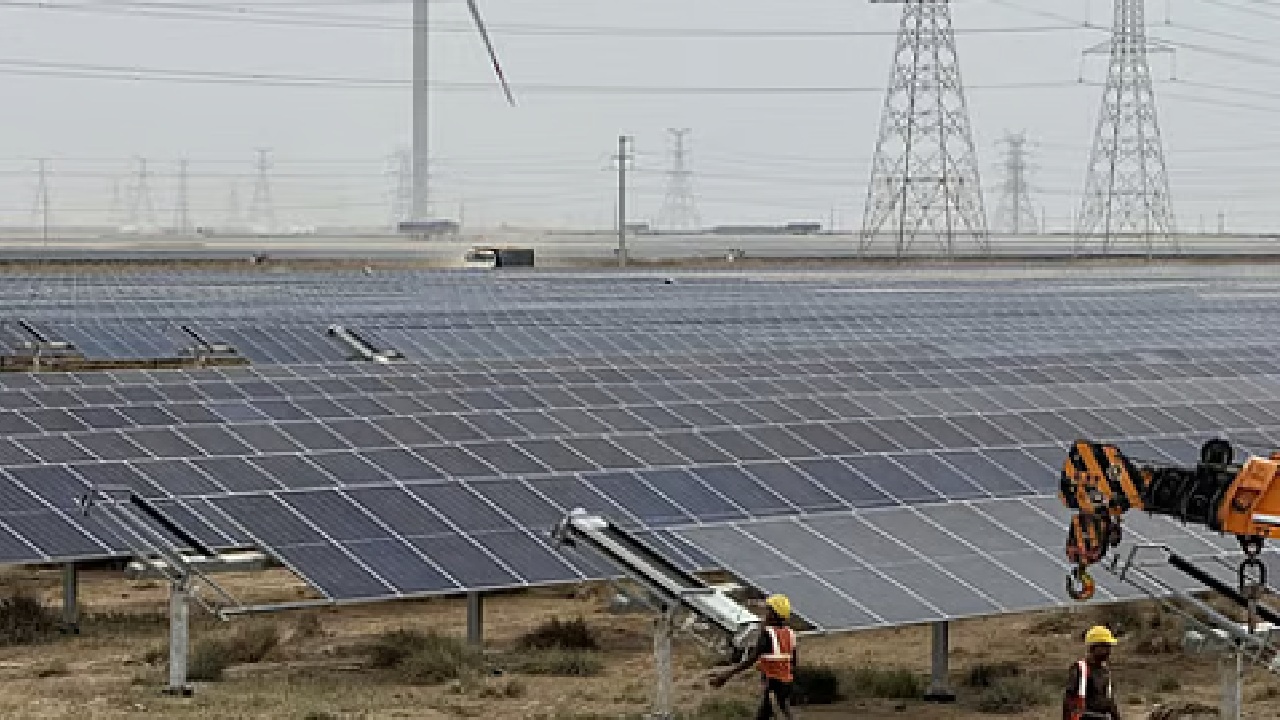
A $20 Billion Disinvestment Bet by 2030
India aims to raise $20 billion (₹1.79 trillion) by FY30 through initial public offerings of state-run enterprises, marking a central pillar of its renewed asset monetization strategy. Building on the first phase of the National Monetization Plan—where ₹5.3 trillion was realized against a ₹6 trillion target—the government is now pivoting toward minority stake sales in profitable public sector undertakings (PSUs) rather than outright privatization.
This calibrated approach seeks to unlock value, deepen capital markets, and fund infrastructure expansion without surrendering strategic control.
Inside the IPO Pipeline
The IPO blueprint spans critical sectors including railways, power, coal, aviation, and oil & gas. Railways are expected to lead the charge, with seven companies slated for listing and projected proceeds of ₹83,700 crore by FY30. The power sector could contribute ₹31,000 crore, while coal subsidiaries—including renewable arms—may add ₹48,300 crore over the next four years.
Aviation assets, including subsidiaries of the Airports Authority of India and select airports, are also being prepared for market debut, though proceeds remain unspecified.
Collectively, the ₹1.79 trillion IPO target feeds into a broader ₹15.2 trillion asset monetization roadmap via InvITs, REITs, and public-private partnerships. Crucially, these are minority stake sales—typically 10–49%—allowing the government to retain “golden shares” and policy oversight.
Strategic Rationale: Recycling Capital Without Losing Control
Unlike past privatization drives, the emphasis is on brownfield asset recycling. Profitable subsidiaries with established cash flows are being carved out and listed to unlock embedded value. This reduces fiscal strain while maintaining operational continuity.
Railways stand out as a prime candidate, buoyed by Vande Bharat expansion and Dedicated Freight Corridors that have created commercially viable entities. Power and coal subsidiaries—especially renewable ventures—align with India’s green transition goals and net-zero commitments.
The fiscal multiplier effect is significant. Proceeds from stake sales can be redeployed into infrastructure, where capital expenditure typically generates 3–5 times economic impact. With the government targeting a ₹12 lakh crore infrastructure outlay by FY27, IPO-driven non-tax revenue becomes a key lever for maintaining fiscal deficit targets below 4.5% of GDP.
Market Impact: Liquidity, Rerating, and Retail Surge
From a capital markets perspective, the IPO pipeline could act as a structural catalyst. Fresh PSU listings may expand market capitalization by 2–3%, potentially elevating Indian exchanges into the global top tier by market value addition.
Sectorally, railway, power, and coal IPOs could trigger rerating cycles. Many PSUs currently trade at discounts—around 40% to book value in some cases—offering valuation headroom if governance and earnings visibility improve. Minority stake offerings also minimize fears of control dilution, a factor that previously dampened investor sentiment.
Retail participation is expected to remain robust, with up to 35% quotas in select IPOs and simplified UPI-based bidding mechanisms. Strong domestic mutual fund inflows may also cushion global volatility and foreign institutional investor outflows.
Risks on the Horizon
Execution risks persist. Market volatility, global rate cycles, and valuation mismatches could affect listing performance. Political timelines may also influence rollout speed. However, the relatively strong execution record of the previous monetization phase—achieving 88% of its target—lends credibility.
A Structural Shift, not a One-Off Sale
India’s $20 billion PSU IPO plan represents more than a fundraising exercise. It signals a structural shift in how the state finances growth—recycling mature assets to fund future infrastructure while broadening capital market depth.
If executed with pricing discipline and policy consistency, these listings could catalyze private capex exceeding ₹10 trillion, reinforce fiscal prudence, and strengthen India’s trajectory toward becoming a $6 trillion economy. The success of this strategy will ultimately hinge on balancing market timing with long-term reform credibility.
(With agency inputs)