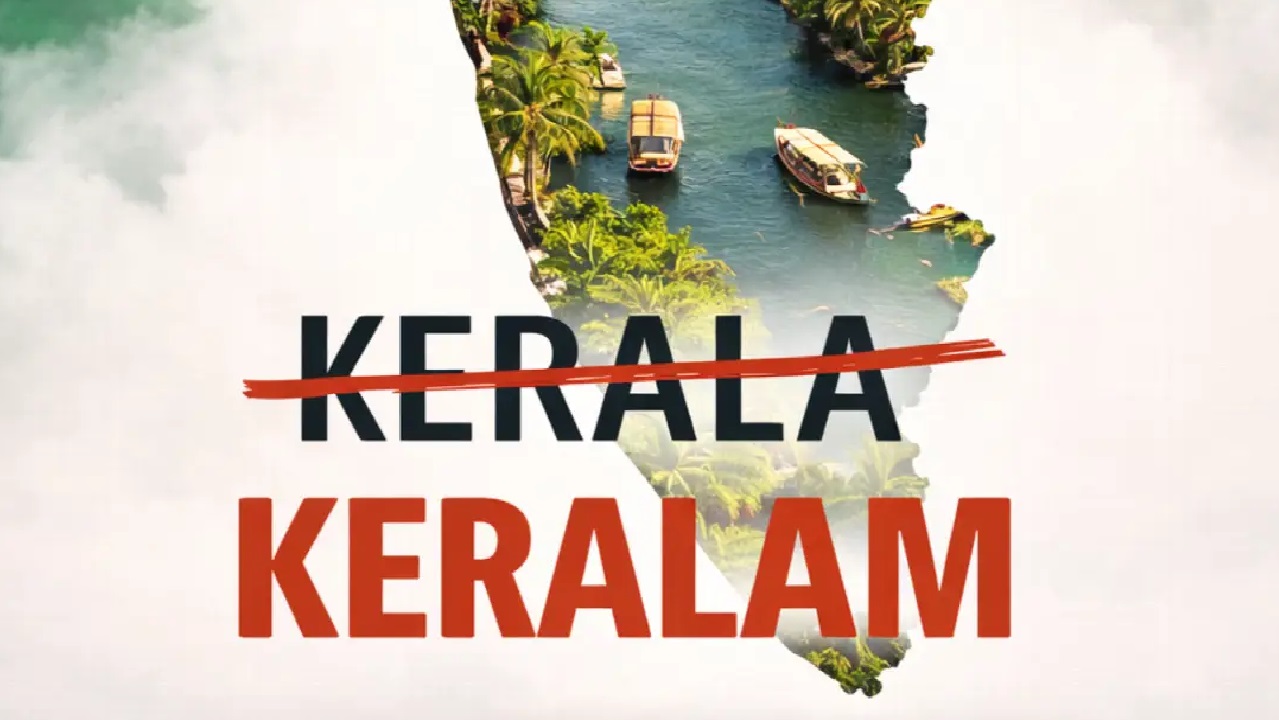
The Union Cabinet approved a proposal to rename Kerala as “Keralam,” endorsing a move championed by Prime Minister Narendra Modi as a restoration of the state’s cultural and linguistic heritage. The proposal now awaits the Kerala Assembly’s views, a Presidential recommendation, and the passage of the Kerala (Alteration of Name) Bill, 2026, in Parliament under Article 3 of the Constitution. While the procedural path is clear, the politics surrounding the change are layered and significant.
Political Context: Cultural Assertion or Poll Strategy?
The BJP has framed the renaming as a decolonial correction. “Keralam,” the Malayalam endonym, is rooted in indigenous linguistic tradition, unlike “Kerala,” which is widely believed to derive from “Chera alam” — land of the Chera dynasty. By restoring the native pronunciation, the Centre argues it is honoring regional identity, much like the transitions from Bombay to Mumbai and Calcutta to Kolkata.
However, the timing has raised eyebrows. With Assembly elections approaching in 2026, critics argue that the move is calibrated to expand the BJP’s footprint in a state long dominated by the CPI(M)-led Left Democratic Front (LDF). Cultural symbolism has been central to the BJP’s southern outreach, echoing earlier exercises in renaming cities and reclaiming what it calls “Hindutva geography” in northern states.
For the Left government under Chief Minister Pinarayi Vijayan, the reaction has been cautious. Vijayan dismissed the move as “superficial gimmickry,” suggesting governance challenges such as unemployment, climate resilience, and fiscal constraints deserve greater priority. Yet the LDF stopped short of outright opposition, aware of Kerala’s deep linguistic pride.
Tharoor’s Response: Wit Meets Warning
Among the sharpest responses came from senior Congress leader Shashi Tharoor. Known for his linguistic flair, Tharoor quipped about whether “Keralite” or “Keralan” would now become obsolete, subtly highlighting the practical absurdities of nomenclature shifts. Beneath the humor lay a serious critique: symbolic gestures cannot substitute substantive development.
Tharoor urged policymakers to focus on employment, economic modernization, and Kerala’s global brand as “God’s Own Country.” His response underscores a broader Congress argument that renaming exercises risk diverting attention from pressing governance issues while offering limited tangible gains.
Historical and Linguistic Dimensions
Renaming states is not unprecedented. Odisha replaced Orissa in 2011 to reflect local pronunciation, and similar changes have generally been absorbed seamlessly into administrative and cultural life. “Keralam” has long been used in Malayalam discourse and official communication, lending authenticity to the proposal.
From a linguistic standpoint, the shift reinforces Dravidian phonetics and local identity. Practical implications—updating official documents, maps, and signage—are expected to be minimal and phased.
Symbolism in a Competitive Democracy
The renaming of Kerala to Keralam sits at the intersection of culture and politics. It taps into genuine linguistic pride while advancing a broader narrative of decolonization promoted by the Modi government. Yet its electoral timing ensures it will be read through a partisan lens.
Whether viewed as cultural correction or strategic symbolism, the change reflects the evolving grammar of Indian politics—where identity, language, and heritage are increasingly mobilized alongside development agendas. In the end, Keralam may be more than a name; it is a statement about how states imagine themselves within a rapidly shifting national narrative.
(With agency inputs)