


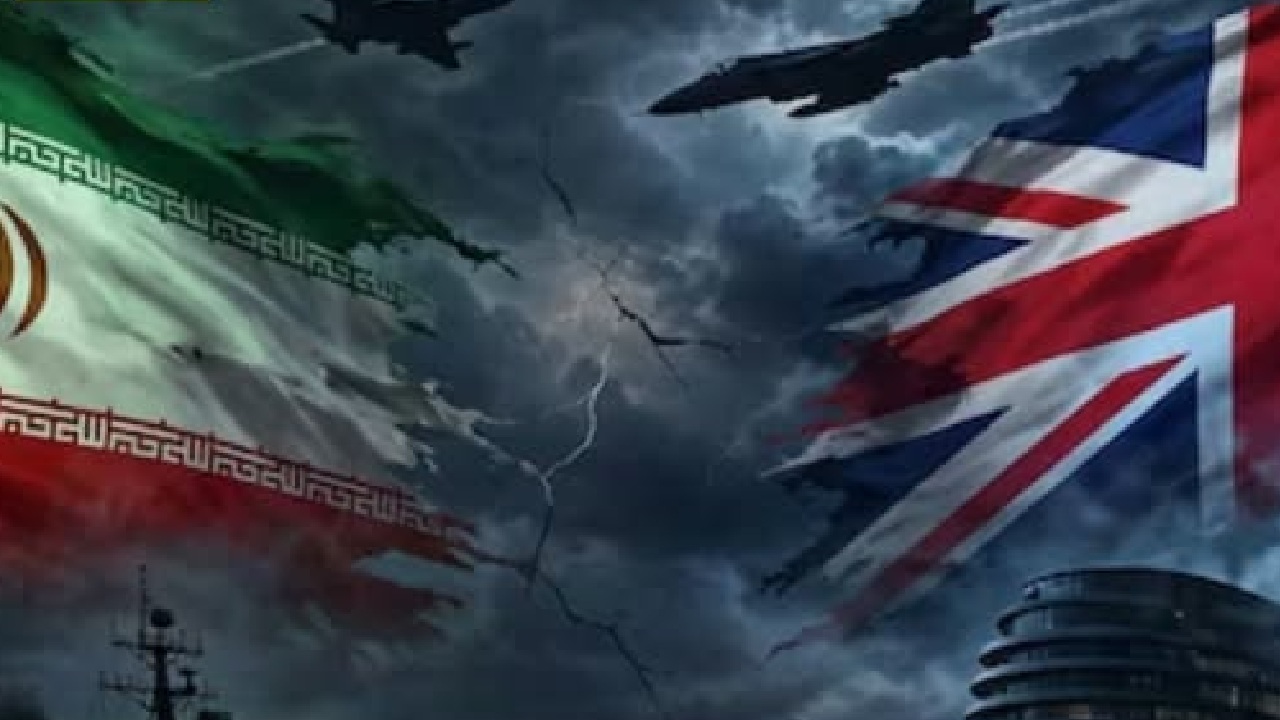
Iran has formally designated the United Kingdom’s Royal Navy and Royal Air Force as “terrorist organisations” and classified Britain’s foreign intelligence service, MI6, as a “hostile group”. Announced on November 1, 2026, the decision marks a significant escalation in the already strained relationship between Tehran and London, bringing Britain’s armed forces and intelligence establishment directly into Iran’s growing confrontation with Western powers.
What Triggered Iran’s Retaliatory Action?
The announcement was made by Iran’s Foreign Ministry following a resolution of the Supreme National Security Council. Tehran described the move as a response to what it termed Britain’s unlawful and hostile actions over the past year.
A major trigger was Britain’s decision on July 13 to designate Iran’s Islamic Revolutionary Guard Corps (IRGC) as a terrorist organisation under the State Threats Act 2026. Tehran considers the IRGC an integral part of its national security and military establishment and has consistently opposed Western attempts to label it a terrorist organisation.
Iran had previously adopted countermeasures against the United States following Washington’s designation of the IRGC. It has now extended its retaliatory approach to British military institutions.
Another major allegation concerns Britain’s alleged support for the US-Israeli military campaign against Iran. Tehran claims London facilitated the use of military and logistical facilities on British territory, effectively assisting what it calls a war of aggression. These remain Iran’s allegations, not internationally established legal findings.
Which British Institutions Have Been Targeted?
Iran’s announcement covers three major British institutions, although their classifications differ:
· Royal Navy: Designated a terrorist organisation under Iran’s countermeasure legislation.
· Royal Air Force (RAF): Similarly classified as a terrorist organisation.
· MI6: Britain’s foreign intelligence service, designated a hostile group under the Supreme National Security Council resolution.
The measures took effect on November 1. Unlike conventional counterterrorism designations targeting non-state militant organisations, these classifications directly target the official military and intelligence institutions of a sovereign country.
Why the Move Matters for Britain
The decision further complicates diplomatic engagement between London and Tehran. By specifically targeting the Royal Navy and RAF, Iran is signalling that British military involvement in Middle Eastern security operations will be viewed as potentially hostile.
The implications include:
· Security concerns: British military personnel, vessels and aircraft operating near Iranian-controlled areas could face increased scrutiny and potential restrictions.
· Operational uncertainty: The designation could complicate military movements, intelligence cooperation and regional maritime security.
· Diplomatic consequences: London is likely to reject the classifications as legally baseless and politically motivated.
However, Iran’s domestic designations do not automatically carry legal force internationally or compel other countries to recognise them.
A Wider Confrontation with Western Powers
Iran’s decision reflects a familiar pattern of reciprocal retaliation against Western sanctions and terrorist listings. However, extending such classifications to another country’s regular armed forces represents a particularly broad escalation.
The move also carries a strong political message. Tehran wants to demonstrate that it will respond to what it perceives as external aggression with countermeasures of its own. It simultaneously seeks deterrence, domestic political support and greater leverage in its confrontation involving the United States, Israel and Britain.
When Reciprocal Retaliation Risks Dangerous Miscalculation
The immediate significance of Iran’s announcement may be more political than operational. Nevertheless, branding another country’s armed forces as terrorist organisations risks deepening hostility, reducing diplomatic flexibility and complicating regional security arrangements. If both sides continue responding through increasingly aggressive legal and political measures, opportunities for dialogue could narrow further. Ultimately, the danger is not merely an exchange of labels but the possibility that heightened mistrust could translate into military miscalculations in an already volatile Middle East.
(With agency inputs)