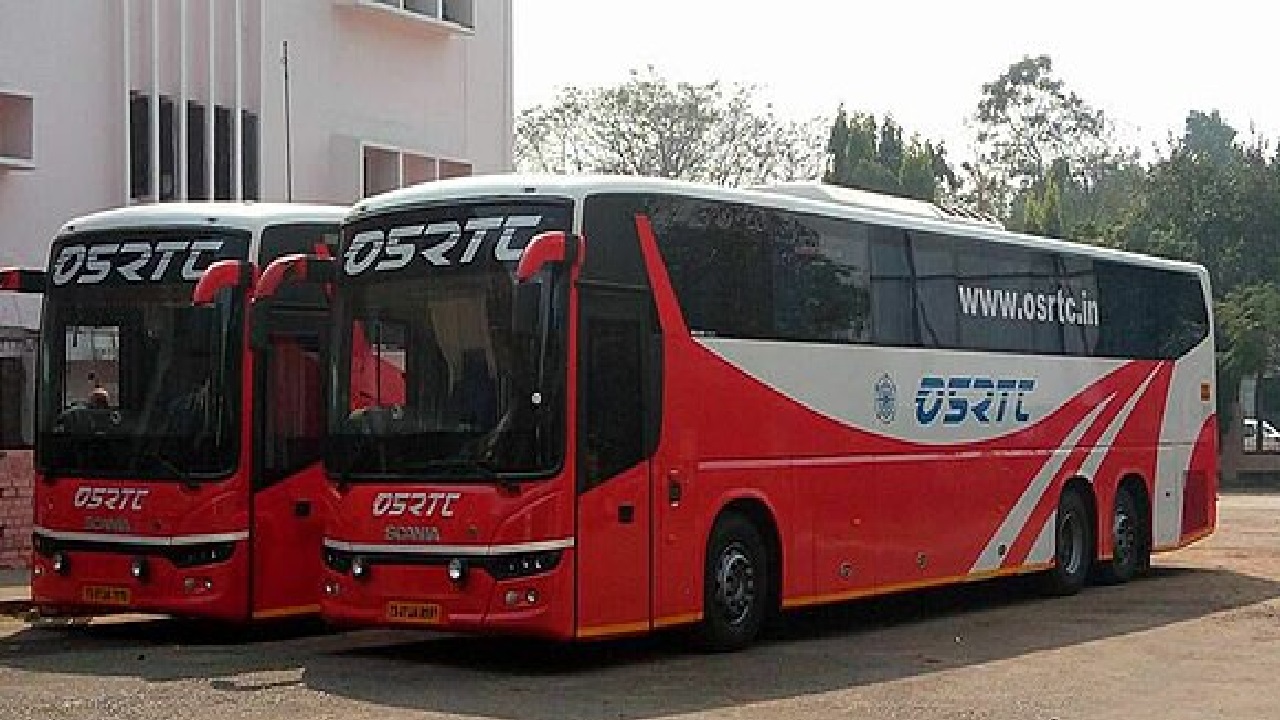
The Odisha State Road Transport Corporation (OSRTC) has recorded a substantial loss of ₹45.47 crore over the last two financial years, as revealed by Commerce and Transport Minister Bibhuti Bhusan Jena in the state assembly. The report highlights a concerning trend in the financial sustainability of OSRTC, raising questions about operational inefficiencies, rising expenses, and declining revenues.
With public transport being a crucial lifeline for commuters, the financial struggles of OSRTC call for an urgent reassessment of its revenue model and efficiency strategies.
Financial Performance of OSRTC
· OSRTC currently operates 388 buses across 260 routes in the state.
Revenue vs. Expenditure:
· 2022-23: Revenue – ₹145.28 crore; Expenditure – ₹164.12 crore (Loss: ₹18.83 crore).
· 2023-24: Revenue – ₹156.44 crore; Expenditure – ₹183.07 crore (Loss: ₹26.63 crore).
· The overall loss over two years amounts to ₹45.47 crore.
Key Causes of the Loss
1. Rising Operational Costs
One of the primary reasons for OSRTC’s financial distress is high operational expenses, including fuel prices, maintenance costs, and employee salaries. The continuous rise in diesel prices has significantly impacted profitability.
2. Declining Passenger Numbers
The growing preference for private vehicles, app-based cab services, and shared mobility solutions has led to a decline in OSRTC’s ridership. Inadequate frequency, long travel durations, and outdated buses have made public transport less attractive.
3. Competition from Private Operators
Private bus operators often provide faster and more flexible services, attracting a large share of commuters. Unlike OSRTC, which follows a fixed fare structure, private players have the advantage of competitive pricing and route optimization.
4. Inefficiencies in Management and Route Planning
Many OSRTC routes continue to run with low passenger occupancy, leading to financial losses. Inefficient fleet management and lack of real-time data on passenger demand have resulted in revenue leakages.
Potential Solutions for Recovery
1. Modernization of the Fleet
Introducing fuel-efficient and electric buses can significantly cut operational costs. Expanding the EV fleet with government incentives and subsidies would reduce reliance on diesel and improve overall efficiency.
2. Route Optimization and Digital Integration
Using AI-based data analysis to track passenger demand and adjust bus frequencies accordingly.
Introducing real-time tracking and an app-based ticketing system to improve convenience.
3. Public-Private Partnerships (PPP)
Encouraging collaborations with private operators for route sharing and fleet expansion can enhance efficiency while reducing financial burdens on the government.
4. Fare Revisions and Subsidy Models
A well-structured fare revision strategy, along with government subsidies, could help in bridging the revenue-expenditure gap without overburdening passengers.
5. Passenger-Centric Initiatives
Improving bus comfort, cleanliness, and punctuality to attract more commuters.
Offering discounted monthly passes and special fares for students and senior citizens.
Impact on Customers
The financial instability of OSRTC could lead to increased fares, reduced services on less-profitable routes, and possible delays in modernizing the fleet. If corrective measures are not implemented, commuters—especially those in rural and semi-urban areas—may have fewer public transport options, forcing them to rely on costlier private alternatives.
While OSRTC’s financial losses are concerning, strategic reforms and investments in technology, fleet modernization, and route optimization can help reverse the trend. Strengthening public transport is not just about financial recovery but also about ensuring affordable and efficient mobility for citizens. A collaborative approach involving government intervention, private partnerships, and commuter engagement will be crucial in making OSRTC sustainable in the long run.
(With inputs from agencies)