


A Mysterious Post Sparks a National Outcry
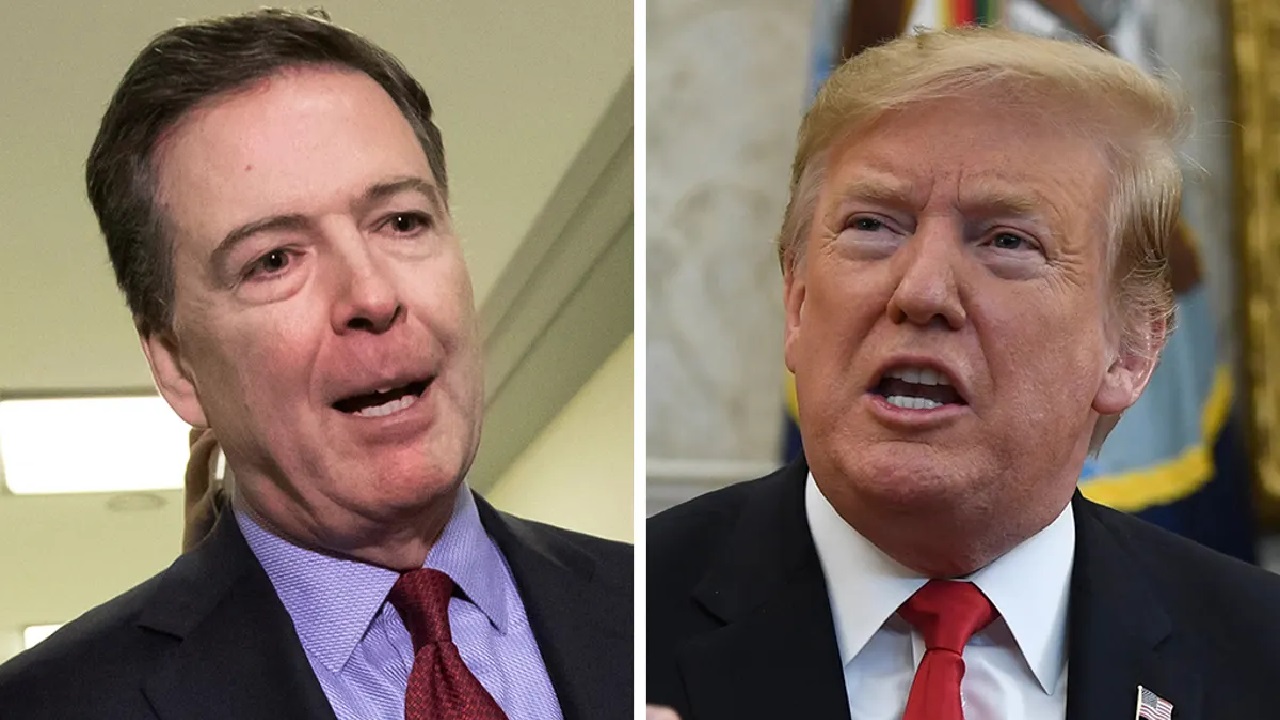
Former FBI Director James Comey is facing intense scrutiny from U.S. security agencies following a now-deleted Instagram post that many have interpreted as a veiled threat to assassinate Donald Trump. The post, featuring the number “8647” spelled out with seashells, ignited outrage among Trump supporters and prompted an active investigation involving both the FBI and Secret Service.
Comey, who was dismissed by Trump in 2017, has long been a vocal critic of the president. However, this incident—seen by some as coded incitement—marks a dramatic escalation in the political and personal animosity that has defined their relationship.
What Does ‘8647’ Mean—and Why It’s Controversial
The post showed an image of seashells arranged to form the number 8647, with a caption stating, “Cool shell formation on my beach walk.” While seemingly innocuous, the number has sinister connotations in certain American slang:
· “86” is widely understood as code for “get rid of” or even “kill.”
· “47” is being linked to Trump, the presumptive 47th President if he wins re-election.
· Combined, many interpreted 8647 as a call to “get rid of 47”—in other words, a threat toward Trump.
The controversy intensified when the post was highlighted by Donald Trump Jr., who tweeted:
“James Comey just casually called for my dad to be murdered. Unacceptable.”
FBI, Secret Service React Amid Backlash
Current FBI Director Kash Patel acknowledged the matter, confirming coordination with the Secret Service:
“We are aware of the recent social media post by former FBI Director James Comey, directed at President Trump… Primary jurisdiction lies with the Secret Service, and we are offering full support.”
A host of high-profile figures joined in calling for a formal inquiry. Homeland Security Secretary Kristi Noem labeled the post “a direct incitement,” while White House deputy chief of staff Taylor Budowich described it as “a message etched in the sand” and symptomatic of a “desperate deep state.”
Tulsi Gabbard, now Director of National Intelligence, expressed concern:
“This cannot be underestimated. We’ve already seen two assassination attempts on President Trump—this message risks stoking more violence.”
Comey Responds: “Never Meant to Incite”
In the wake of the uproar, Comey removed the post and issued a clarification:
“I posted a picture of some shells I saw today… I didn’t realize some folks associate those numbers with violence. I oppose violence of any kind, so I took the post down.”
Despite the retraction, critics argue that a former FBI director should have known better. Many insist that intelligence veterans understand the power of coded communication and symbolic messaging, particularly in a highly charged political climate.
A Pattern of Political Weaponization?
This incident isn’t happening in isolation. It follows months of rising political tensions, especially after the July 2024 assassination attempt on Trump at a Pennsylvania rally, which left him with a serious ear injury. Trump has since doubled down on rhetoric about the “deep state” and “corrupt institutions” trying to silence him.
Some experts view Comey’s post—intentional or not—as a dangerous escalation. It feeds into a narrative of partisan misuse of power by former intelligence officials, further eroding public trust in agencies that are supposed to remain apolitical.
Speech, Symbols, and Responsibility
Whether James Comey intended to send a threat or not, the “8647” controversy raises vital questions about accountability in public discourse, especially from those who have held power. In today’s hyperconnected, hyperpartisan environment, even a seemingly cryptic post can have explosive consequences.
This incident underscores the need for measured communication from public figures, especially as political violence becomes an increasingly real threat in the U.S. The lines between free speech, incitement, and symbolism have blurred—and the cost of misinterpretation could be deadly.
(With inputs from agencies)