Tariffs for All: Trump Expands 25% Duties to Global Smartphone Makers
In a sweeping escalation of his protectionist agenda, U.S. President Donald Trump has announced a 25% tariff on all smartphones manufactured outside the United States. What began as a direct warning to Apple and its CEO Tim Cook—over iPhones being assembled in India—has now evolved into a broad-based policy shift impacting the entire global smartphone industry.
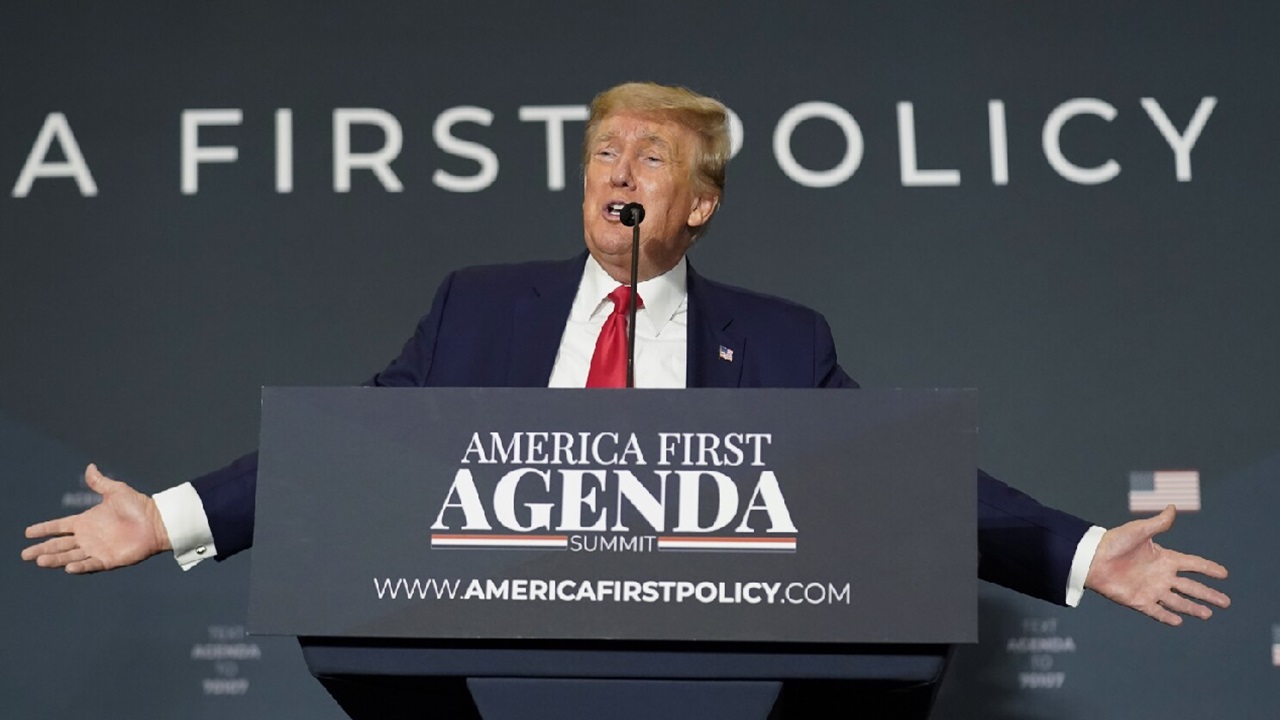
“It would be also Samsung and anybody that makes that product,” Trump declared in Washington, stressing fairness as the rationale for broadening the scope. The tariffs are set to take effect by the end of June.
From India to the U.S.: The Apple Trigger
Trump’s latest tariff initiative was initially aimed squarely at Apple. During a recent public appearance and earlier on his Qatar trip, he recounted a conversation with Cook, saying, “We’re not interested in you building in India… we want you to build here.” He further warned, “If that is not the case, a tariff of at least 25% must be paid by Apple to the US.”
The directness of the initial Apple-specific threat raised eyebrows. Trade policy rarely targets a single private company. But by quickly including Samsung and other smartphone makers, Trump appeared to acknowledge the inconsistency and moved to universalize the policy—if not to stabilize markets, then at least to justify his broader agenda.
Made in America—Or Else: The Vision Behind the Tariffs
Trump’s tariffs are not just a knee-jerk reaction; they are rooted in a long-standing belief that American manufacturing must be revitalized at all costs. His administration has repeatedly insisted that U.S. corporations should repatriate production lines, reduce reliance on foreign labor, and bring industrial jobs back to domestic soil.
The smartphone industry is particularly symbolic. Devices like the iPhone—designed in California but assembled across Asia—represent the kind of globalized supply chains Trump has long criticized. By imposing tariffs, Trump is effectively attempting to strong-arm companies into shifting their production to the U.S., using trade barriers as leverage.
Ripple Effects: Markets and Global Economies Feel the Strain
The immediate fallout was swift. Apple shares fell 3% following the announcement, dragging down broader U.S. indices. European stock markets also closed lower amid rising trade tensions, and the dollar index dropped to a three-week low—down nearly 2% for the week.
The tariff news compounded an already volatile financial environment. Earlier, Moody’s downgraded the U.S. credit outlook, and the House narrowly passed a sweeping tax reform bill that could add $4 trillion to the national debt. Combined, these factors have left investors reeling and markets jittery.
Globally, the implications are even more far-reaching. South Korea’s Samsung and Chinese manufacturers like Xiaomi and OnePlus will now face significant cost increases for access to the lucrative U.S. market. This could lead to either higher prices for American consumers or a scramble by companies to reroute supply chains—potentially to the U.S., but more likely to tariff-exempt countries, at least in the short term.
A Global Gamble: The Consequences of Protectionist Policy
Trump’s tariff expansion may play well with parts of his base, especially manufacturing workers and economic nationalists. However, the practical feasibility of relocating entire production lines—especially for a sector as globally integrated as smartphones—is questionable.
Moreover, the move risks retaliatory tariffs from key allies and trade partners. His additional threat of a 50% tariff on the European Union over stalled negotiations signals a broader unraveling of global trade cooperation.
High Stakes, Uncertain Returns
Trump’s decision to broaden smartphone tariffs is a high-stakes gamble. While it may accelerate some domestic investment, the short-term consequences—higher consumer prices, strained global trade relations, and jittery financial markets—pose real risks.
As the June deadline looms, both corporations and governments are recalibrating. What remains uncertain is whether this aggressive push will lead to a manufacturing renaissance in America—or simply isolate the U.S. further from the global economy it once led.
(With inputs from agencies)