What E-Rupee Circulation Means for India’s Financial Flow
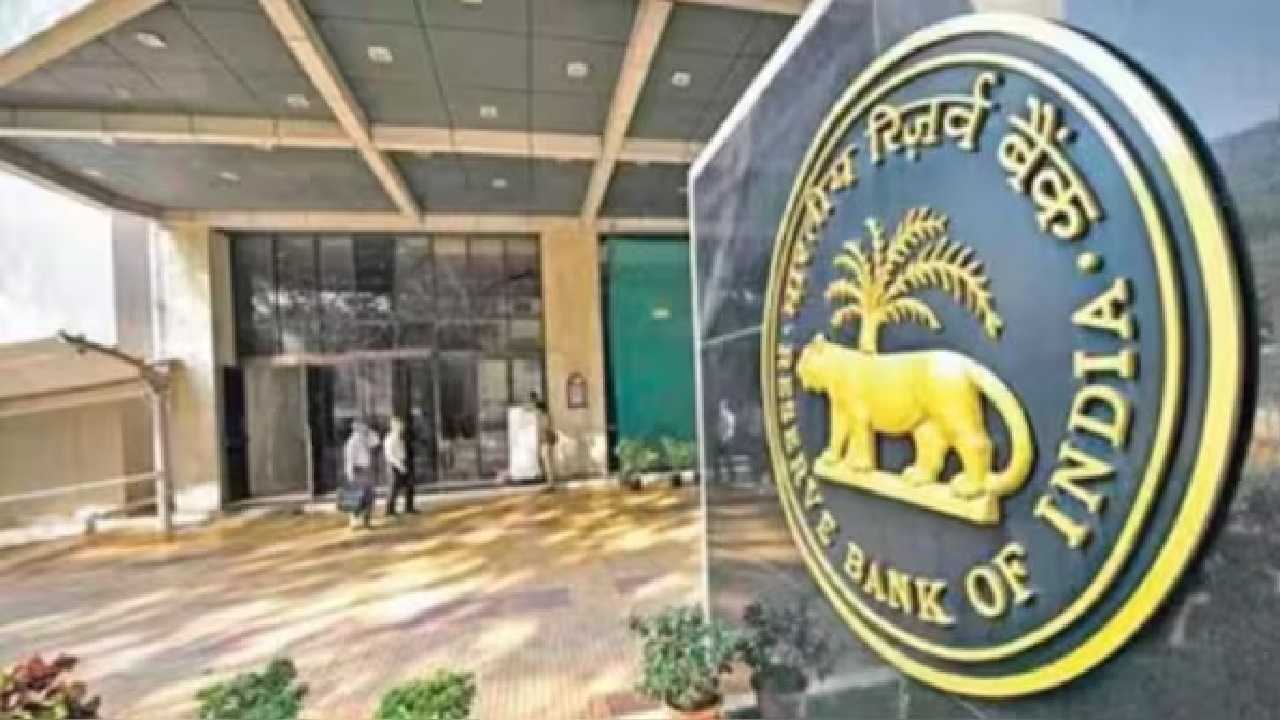
The e-rupee, India’s central bank digital currency (CBDC), has witnessed a staggering rise in circulation—jumping over 400% from ₹234 crore in March 2024 to ₹1,016 crore in March 2025. This rapid growth signifies a major shift in the country’s monetary system, with significant implications for liquidity, digital infrastructure, and the role of cash in everyday transactions. As more transactions shift to digital wallets and programmable currency frameworks, the Reserve Bank of India (RBI) is now setting its sights beyond borders—exploring cross-border payment capabilities for the e-rupee.
CBDC Boom: What’s Driving the Surge?
The dramatic growth in e-rupee circulation stems from an expanding user base and broader institutional support. Initially launched in November 2022 through a wholesale pilot and later expanded to retail use, the CBDC now serves over 60 lakh users via 17 banks. The largest chunk—₹857 crore—is in ₹500 denomination, followed by ₹200 and ₹100 notes.
The RBI has enabled offline functionality and introduced programmable features, such as direct benefit transfers (DBTs) and conditional usage for welfare schemes and employee allowances. In Odisha alone, 88,000 beneficiaries under the Subhadra Yojana received programmable payments. The inclusion of non-bank wallet providers and primary dealers has further widened accessibility and market participation.
RBI’s Concerns: Cross-Border Friction, System Efficiency, and Transparency
Despite the impressive domestic growth, the RBI remains cautious. A primary concern is the lag in cross-border payments—a critical pain point globally. Traditional remittance systems involve intermediaries, high costs, and long processing times. With global trade and diaspora remittances playing vital roles in the Indian economy, the lack of a seamless, low-cost international payment solution poses a systemic bottleneck.
Moreover, there’s a growing need to assert sovereign control amid the rise of private cryptocurrencies, which could undermine fiat currency stability. The RBI’s adoption of a CBDC counters this risk, ensuring state-backed digital currency remains competitive and secure.
Strategic Moves: Cross-Border Pilots and Global Collaborations
To address these challenges, the RBI is actively exploring bilateral and multilateral CBDC pilots. These pilots are expected to address turnaround time, operational efficiency, and payment transparency. Though timelines remain unspecified, the RBI’s roadmap includes collaboration with select countries and engagement with the Bank for International Settlements (BIS) Innovation Hub.
This global integration push is designed to future-proof India’s CBDC framework and position the e-rupee as a viable option in international commerce—especially within South-South trade corridors and emerging markets where similar digital currency initiatives are underway.
The Road Ahead: Expanding Use Cases and Infrastructure
Looking forward, the RBI plans to scale up both wholesale and retail pilots by introducing new features and refining the technological backbone—particularly the account aggregator framework. This will improve interoperability, customer experience, and regulatory oversight.
Programmability remains a key focus, with use cases like carbon credit-linked payments, tenant farmer loans via Kisan Credit Card (KCC), and sector-specific employee allowances already in pilot stages. These initiatives are not only streamlining fund transfers but also ensuring targeted, purpose-bound usage of state funds.
A Digital Currency Ready for Global Play
The explosive rise in e-rupee circulation underscores India’s readiness to embrace a digital-first monetary future. With strategic attention on cross-border functionality and growing domestic programmability, the RBI is positioning the CBDC as both a tool for national development and a potential bridge to international financial ecosystems. As trials continue and technology matures, the e-rupee could soon redefine how India pays, saves, and transacts—at home and across the globe.
(With agency inputs)