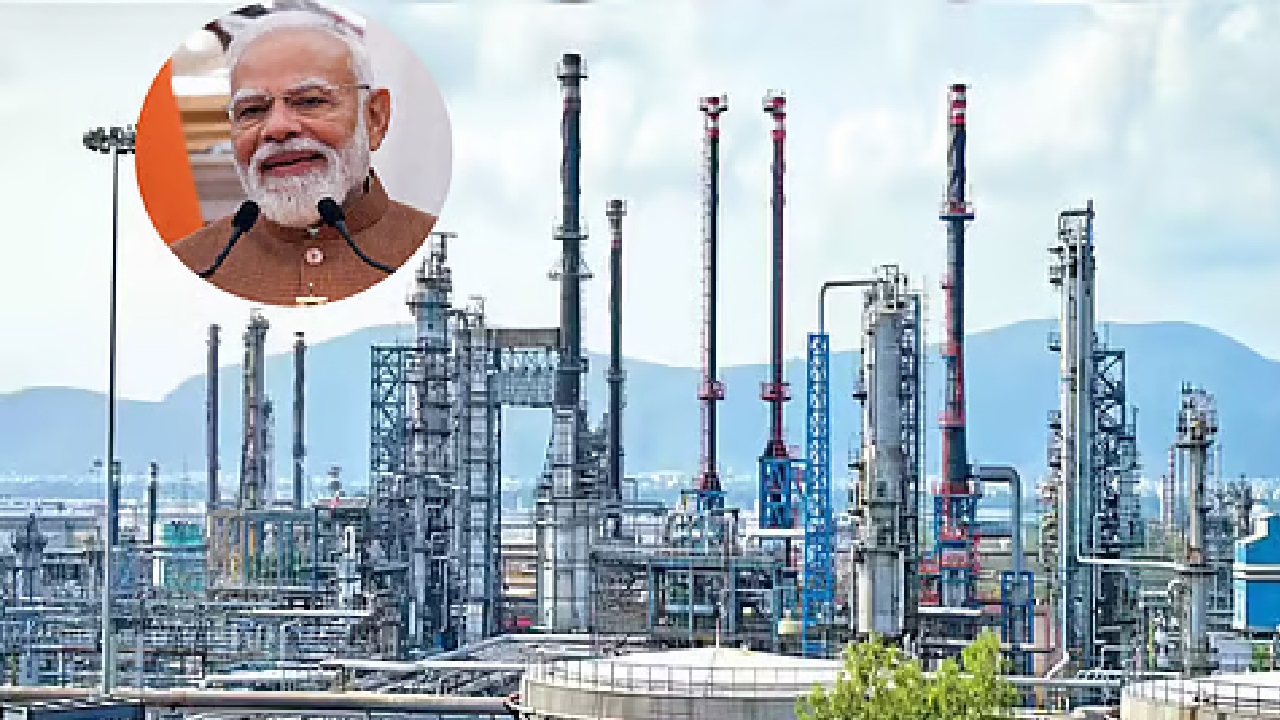
Two Titans, One Nation’s Backbone
Mukesh Ambani and Gautam Adani are more than just business moguls—they are cornerstones of India’s economic progress. Their respective enterprises, Reliance Industries and the Adani Group, stretch across critical sectors including energy, telecom, infrastructure, logistics, and retail. As India aspires to climb the global economic ladder, the contributions of these two conglomerates are indispensable. But what if they withdrew? This analysis explores their economic footprint, their influence on per capita income, and the cascading consequences of a hypothetical pull-out.
India’s Economic Giants: A Combined Footprint
Reliance Industries, led by Mukesh Ambani, operates in petrochemicals, telecom (Jio), retail, and green energy. Alone, it contributes about 2.5–3% of India’s GDP, employing over 3 lakh people directly and supporting millions more through its vast networks.
The Adani Group, under Gautam Adani, commands India’s largest private port operator, manages several key airports, and dominates logistics, power, and renewable energy sectors. It contributes around 1.5–2% of GDP and directly employs over 2 lakh people.
Combined, the two conglomerates directly influence 4–5% of India’s GDP, amounting to ₹12–15 lakh crore in annual output. They also fuel private investment, foreign direct investment (FDI), and stock market stability through massive corporate valuations.
Per Capita Income: A Direct Link to Industrial Output
India’s per capita income for FY 2024–25 is estimated at ₹2.35 lakh (~$2,878). This figure is driven by GDP growth, which both Reliance and Adani significantly support. With operations spanning high-output sectors like telecom, retail, energy, and infrastructure, both groups not only create jobs but boost national productivity.
Their continued expansion in digital access (Jio), logistics efficiency, and infrastructure development encourages formalization of the economy, increasing tax revenues and economic participation.
Without their contribution, a 4–5% dip in GDP would translate to a per capita income fall of ₹12,000–₹15,000 annually per person, dragging it down to ₹2.20–₹2.23 lakh. This is especially concerning for states like Gujarat, Maharashtra, and Andhra Pradesh, where these conglomerates have deep operational roots.
The Shockwave: What If They Pulled Out?
Imagine a scenario where Reliance and Adani Group cease operations in India:
· GDP Shrinkage: A 4–5% contraction would immediately knock off over ₹12 lakh crore from India’s GDP.
· Job Losses: Over 5 lakh direct jobs would vanish, with millions more indirectly affected.
· Investor Sentiment: Both conglomerates anchor major stock indices; their exit could trigger sharp market corrections and shake FDI confidence.
· Infrastructure Disruption: With Adani managing ports and airports, and Reliance leading in energy and telecom, supply chains would be paralyzed.
· Revenue Deficit: The government could face a significant shortfall as both groups are major taxpayers.
This isn’t just a business crisis—it’s a national economic emergency in waiting.
Not Just Billionaires, But Builders of Bharat
Mukesh Ambani and Gautam Adani do not merely helm successful businesses—they shape the economic landscape of a rising India. Their enterprises sustain GDP growth, support employment, stabilize markets, and foster inclusive development. A withdrawal of either would not just dent statistics; it would derail momentum built over decades.
While India’s economy is large and increasingly diversified, its growth hinges on such industrial drivers. The lesson is clear: economic resilience must be built on diversification, but recognizing and safeguarding core contributors remains critical for national stability.
(With agency inputs)