State-wide initiative aims to create a dynamic water asset database for data-driven governance
In a groundbreaking step toward sustainable water management, Odisha has launched its first-ever Water Resources Census. This state-wide initiative, spearheaded by the Ministry of Jal Shakti’s Department of Water Resources, River Development and Ganga Rejuvenation, aims to build a comprehensive, dynamic database of the state’s water assets—ranging from irrigation projects to natural springs.
This integrated census marks a major milestone in Odisha’s commitment to climate resilience, smart governance, and resource sustainability. By enabling data-backed planning from the village level up to the state level, it promises a transformative impact across multiple sectors.
How Odisha Is Leading with the First-Ever Water Census
The initiative includes four crucial components:
· First census of major and medium irrigation projects
· First census of natural springs
· Second census of water bodies
· Seventh census of minor irrigation schemes
For the first time, all categories of water resources are being surveyed in a single, synchronized effort. Using advanced tools like Computer Assisted Personal Interviews (CAPI) and a custom-built web application, the data collection process emphasizes speed, accuracy, and real-time integration.
The effort is being led in close coordination with Odisha’s Planning and Convergence Department and supported by multiple allied departments, including Panchayati Raj and Drinking Water, Electronics & IT, Economics and Statistics, and the Odisha Lift Irrigation Corporation.
A Strategic Shift Toward Data-Driven Governance
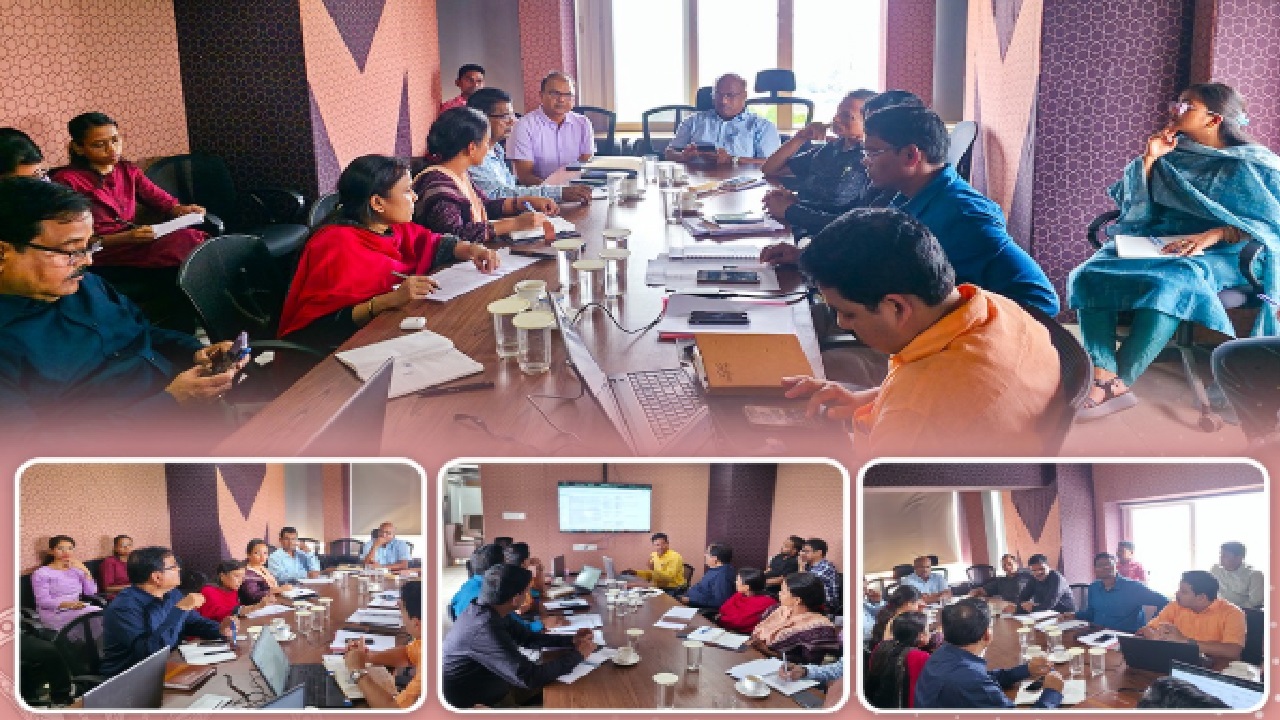
Development Commissioner-cum-Additional Chief Secretary Anu Garg recently reviewed the project in a high-level meeting with department heads and central officials. She described the census as more than a data exercise—it is a “strategic investment in Odisha’s future.”
Garg highlighted the importance of cross-departmental collaboration to ensure that engineers, planners, and data scientists work hand-in-hand. “Only with such synergy can the state build a resilient and responsive water governance model,” she noted.
The data will directly influence policies in:
· Irrigation
· Drinking water supply
· Fisheries and aquaculture
· Livestock and agriculture
· Industrial water use
Closing the Gap Between Data and Action
This initiative is a bold attempt to bridge the long-standing disconnect between data generators and policymakers. Officials emphasized that this census is designed to yield actionable intelligence, not just static reports.
Real-time data on water availability and use will support:
· Transparent public service delivery
· Smarter infrastructure investment
· Improved response to climate-related water stress
The resulting digital database will be continuously updated, providing planners and decision-makers with a living map of Odisha’s water ecosystem.
A Model for India’s Water Future
Odisha’s Water Resources Census sets a powerful precedent for integrated, tech-driven water management in India. As climate uncertainties mount and water demand surges, the state’s initiative is not just timely—it’s essential. By aligning data with governance, Odisha is moving from reactive measures to proactive resilience, offering a scalable model for other states and regions to emulate.
(With agency inputs)