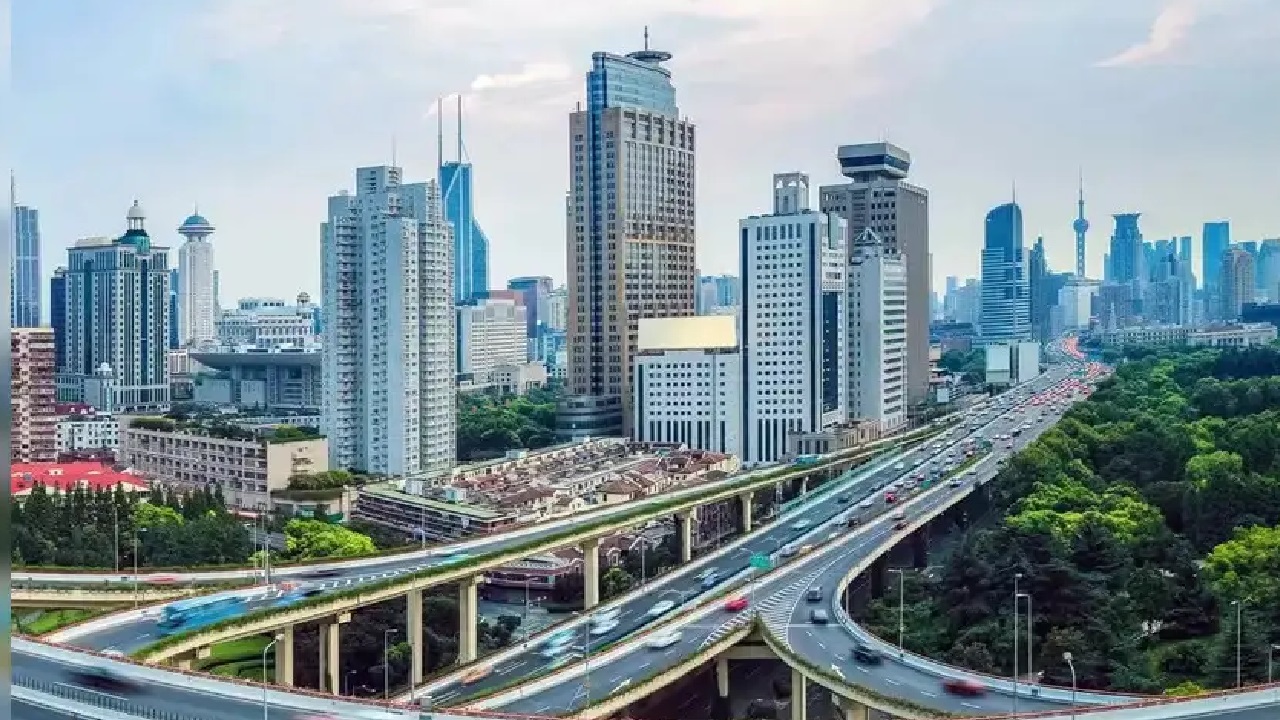
A Vision to Transform Odisha’s Capital
In a bold move to redefine the urban landscape of Bhubaneswar, the Odisha government has launched an ambitious Capital Redevelopment Project, marking the beginning of a large-scale city transformation initiative. At the heart of this project lies the demolition of 410 outdated government quarters in Ashok Nagar and Unit-2, to make space for modern vertical infrastructure—signalling the state’s clear intent to shape Bhubaneswar into a smart, efficient, and beautiful city.
Clearing the Old for a New Urban Identity
The redevelopment begins with vacating and demolishing decades-old quarters that have either deteriorated or are no longer fit for use. The move will free up over three acres of prime land in the heart of the city. On this land, the state plans to construct a modern guest house, an IT complex, and multi-purpose vertical buildings—a significant upgrade in both form and function.
Affected government officials have been given six months’ notice to relocate, with the option to apply for new housing through online or offline channels. However, those retiring before December 31, 2025, are not eligible to apply. The General Administration and Public Grievance (GA & PG) Department, which spearheaded the proposal, has ensured relocation alternatives are in place.
Public Reception and Urban Planning Realities
Despite the inevitable disruption caused by such a large-scale urban overhaul, public sentiment has largely been supportive. Many residents acknowledge that numerous quarters were abandoned, unsafe, or illegally occupied, and the redevelopment project brings long-overdue order and opportunity. Previous rounds of evictions in Unit-8 and Ashok Nagar had already cleared over 90 such illegally occupied premises.
The response from the public and civic bodies like the Bhubaneswar Municipal Corporation (BMC) and Bhubaneswar Development Authority (BDA) suggests a strong consensus that this transformation was necessary—not only to modernise but also to optimise space usage in the capital city.
What Lies Ahead: 1,500 New Quarters and More
According to Works Minister Prithiviraj Harichandan, the city is facing a significant shortage of staff quarters, which this project aims to address head-on. The plan is to construct around 1,500 new government housing units to replace the old, dilapidated structures. Along with the new guest house and IT complex, this vertical expansion is expected to accommodate more people within a smaller footprint, in line with smart city ideals.
This redevelopment is not just about infrastructure; it is about reimagining Bhubaneswar’s identity—one that blends heritage with modernity, and tradition with innovation.
Conclusion: Building a Capital Worthy of Its Name
Odisha’s Capital Redevelopment Project is more than just a construction overhaul—it is a visionary leap toward sustainable urban growth. In a time where smart cities are becoming the benchmarks of progress, Bhubaneswar is positioning itself as a serious contender. By replacing outdated and underused infrastructure with vertical, multi-functional, and aesthetically modern buildings, the state is investing in a future-proof urban ecosystem.
If executed with care, transparency, and public engagement, this transformation could serve as a model for other Indian states grappling with urban congestion and housing shortages. In short, Odisha is not just rebuilding quarters—it is reshaping its capital’s legacy for generations to come.
(With agency inputs)