Indian Medical Students in Peril as Israel-Iran Conflict Escalates
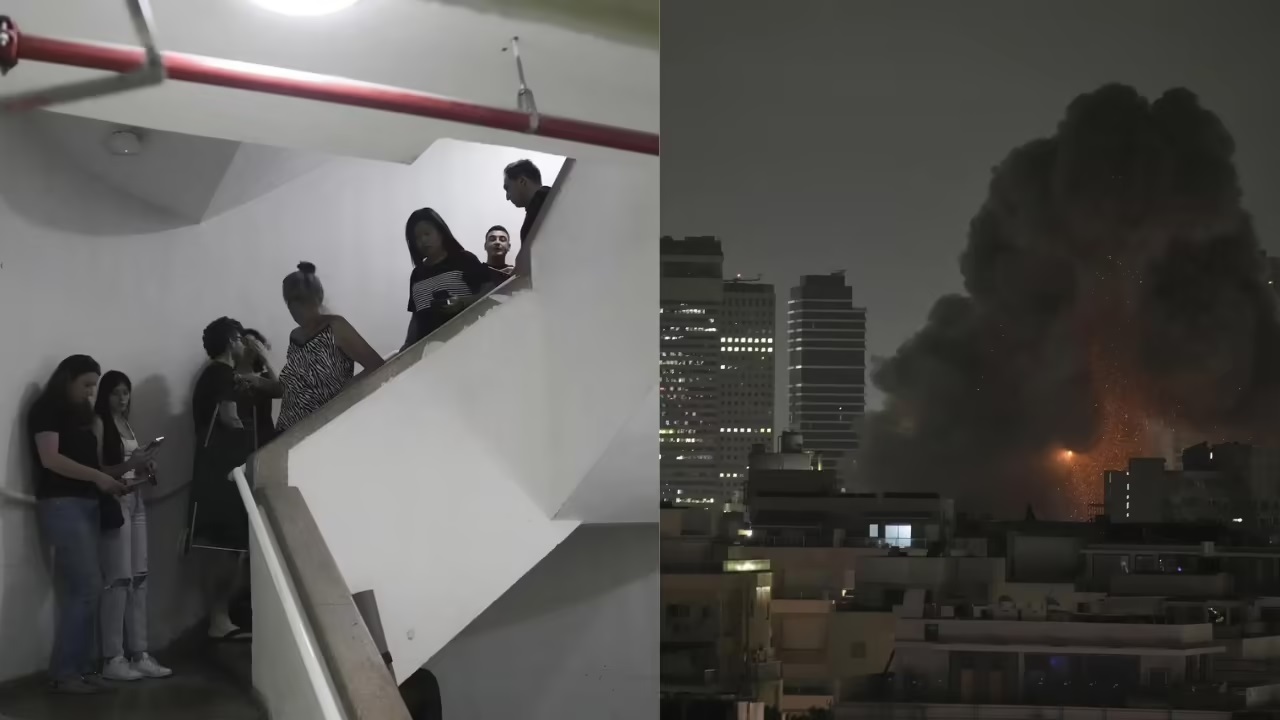
As Israeli airstrikes pound Tehran under “Operation Rising Lion,” over 1,500 Indian students—mostly aspiring doctors—are trapped in a country suddenly transformed into a war zone. The Ministry of External Affairs (MEA) has begun relocating students and planning evacuations, reminiscent of 2022’s Operation Ganga during the Russia-Ukraine war.
The orange-lit skies, smoke trails, and sirens in Tehran now mark daily life for students like Fatima Khakhi, a third-year MBBS student at Islamic Azad University. “We are living in fear, with sleepless nights and growing anxiety. Our families back home are equally distressed,” she told media outlets.
With explosions reported near campuses like the Tehran University of Medical Sciences and Shahid Beheshti University, the sense of helplessness is growing. “It’s like living in a war movie, but we’re in it,” said one student. Another described spending nights awake in terror, unsure of where or when the next strike might land.
Evacuation Efforts Underway Amid Chaos
In response to growing pleas from anxious students and their families, the Indian Embassy in Tehran has stepped in. Communications have reportedly been sent to universities such as Arak and Shiraz Medical Sciences, requesting facilitation for student departures. “The Embassy of India, Tehran, takes responsibility for this planned movement and security of Indian students,” read one official note.
While the exact scope of evacuation remains unclear, the MEA has confirmed that in some cases students are being moved to safer locations within Iran, with “other feasible options under examination.” As calls for a full-scale evacuation grow louder, students and parents alike are pressing for swift action before the situation deteriorates further.
Why Do So Many Indian Students Choose Iran for Medical Studies?
This crisis has drawn attention to an important question: Why do so many Indian students travel to conflict-prone regions like Iran to pursue medicine?
The answer begins with the sheer competitiveness of India’s medical admissions system. In 2024, over 23 lakh students sat for the NEET-UG examination to compete for just 1.1 lakh MBBS seats. Of these, only around 55,000 are in government colleges with relatively affordable fees. The remaining seats in private institutions often cost between ₹50 lakh to ₹1 crore—well beyond the reach of most Indian families.
This mismatch between aspiration and access forces thousands of bright students to explore alternatives abroad. Iran emerges as a cost-effective option with its internationally recognized medical education system, comparatively low tuition fees, and affordable living expenses.
According to the MEA, over 2,000 Indian students were enrolled in Iranian universities in 2022, with the majority pursuing MBBS degrees at institutions like Tehran University of Medical Sciences, Shahid Beheshti University, and Islamic Azad University. A significant portion of these students come from Jammu and Kashmir, drawn by cultural familiarity and affordability.
“Tuition and living expenses, factoring in scholarships, can cost as little as ₹14–15 lakh for a five-year MBBS course in Iran, compared to ₹40 lakh in Bangladesh,” said Aadil Shaikh, MD of Education Zone, in a recent interview.
Recognized Degrees, Modern Infrastructure, and Clinical Exposure
Iran’s medical universities are not only affordable but also highly reputable. Many are listed in the World Directory of Medical Schools (WDOMS) and recognized by the National Medical Commission (NMC) of India. This means students who graduate from these universities can appear for India’s Foreign Medical Graduate Examination (FMGE/NEXT) to practice medicine back home.
Iranian universities offer modern infrastructure, integrated curricula, and early clinical exposure—features that appeal to serious medical aspirants. Iran also offers scholarships to international students, further easing the financial burden.
These benefits, combined with the absence of harsh entry barriers and a favorable academic structure, have made Iran an increasingly preferred destination for Indian students.
Iran Is Not Alone: Ukraine Also a Medical Destination for Indians
Iran isn’t the only overseas destination favored by Indian medical aspirants. Ukraine had been another hub until the 2022 Russian invasion. At that time, over 20,000 Indian students were enrolled across 30 Ukrainian universities.
The six-year MBBS course in Ukraine cost around $35,000—almost one-fourth of what a similar program would cost in India. Degrees from Ukrainian institutions were widely recognized globally, with pathways available for permanent residency in Europe post-graduation.
However, as conflicts now affect both Ukraine and Iran, questions are rising over the long-term viability of such international educational choices.
Aspirations Shouldn’t Lead to Danger
The ordeal faced by Indian students in Iran is a tragic reflection of systemic challenges within India’s medical education infrastructure. When thousands of bright young minds are forced to choose unstable regions to fulfill their academic dreams, the cost isn’t just financial—it’s existential.
As India coordinates evacuations and ensures the safety of its citizens abroad, this crisis must also serve as a wake-up call. Increasing the number of government medical seats, regulating private college fees, and creating a more inclusive education policy are essential to ensure that no student ever has to choose between a dream and danger.
Because for every future doctor now stranded in Tehran, this is not just about education anymore—it’s about survival.
(With agency inputs)