A Falling Out of Titans
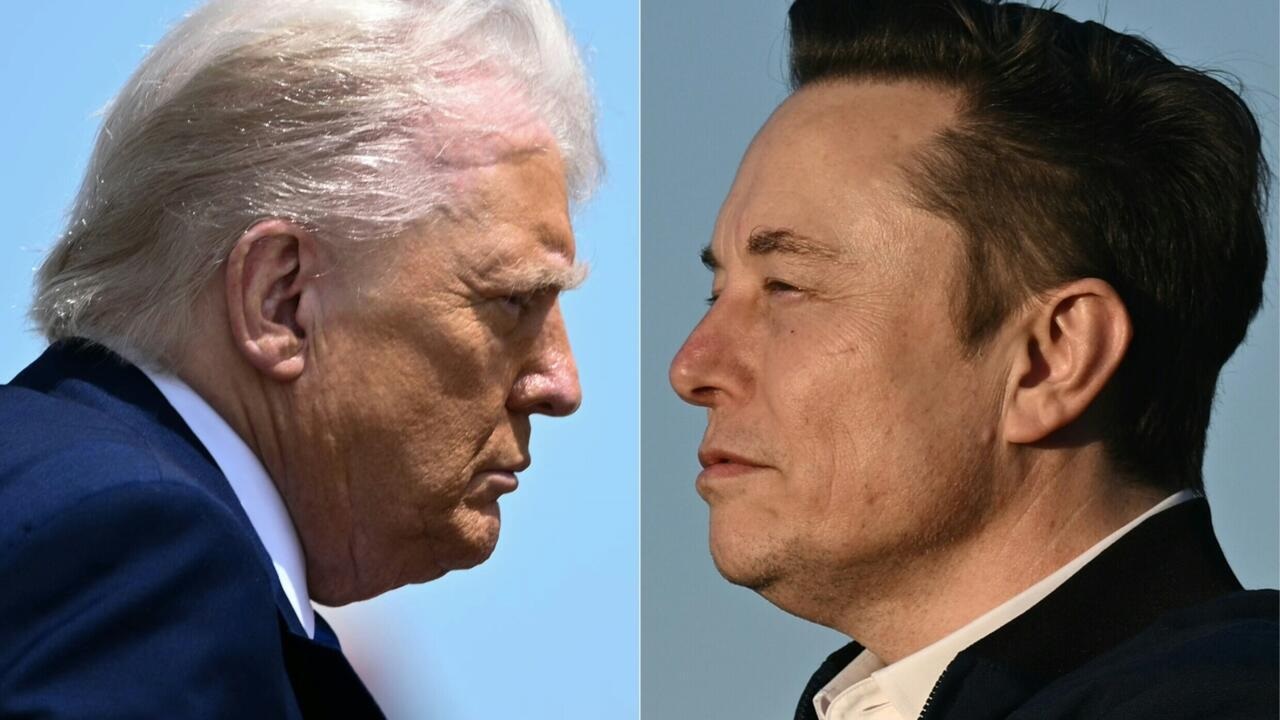
The once-cordial alliance between Elon Musk and Donald Trump has fractured into a high-stakes political standoff. What began as a strategic relationship—Musk as a prominent donor and occasional adviser, Trump as the political force reshaping the Republican Party—has devolved into open warfare. At the center of the rift lies a stark disagreement over America’s political direction, culminating in Musk’s audacious launch of the America Party, a new political force aimed at breaking what he calls a corrupt, entrenched “uniparty” system. Trump’s response? Mockery, disdain, and subtle political threats.
Musk’s Rebellion: Launching the America Party
In a dramatic Independence Day announcement, Musk unveiled the America Party, declaring it a direct response to a political establishment that, in his view, operates as a single dysfunctional entity. “When it comes to bankrupting our country with waste & graft, we live in a one-party system, not a democracy,” Musk wrote on X. His goal, he says, is to “give you back your freedom.”
Musk’s announcement came just after a poll he posted on X garnered over 1.2 million responses, with a two-to-one majority favoring the creation of a new political party. He punctuated the move with a meme of a two-headed snake captioned, “End the Uniparty,” a blunt message against both Republicans and Democrats.
The Breaking Point: Trump’s “One Big Beautiful Bill”
The ideological schism widened with Trump’s proposed $3.4 trillion “One Big Beautiful Bill,” which Musk lambasted as a “disgusting abomination.” Once a key financial backer of Trump’s 2024 campaign, Musk now accuses the president of betraying fiscal conservatism in favor of massive federal spending. He vowed to “laser-focus” on removing vulnerable incumbents who backed the bill and declared his intent to become a “deciding vote” in future legislative fights, hinting at a possible run in the 2026 midterms.
Retaliation and Rumors: Trump Fires Back
Trump has not taken the rebellion lightly. In an impromptu press conference before boarding Air Force One, he dismissed Musk’s third-party initiative as “ridiculous,” adding, “He can have fun with it.” But behind the sarcasm were sharper jabs: Trump accused Musk of lobbying for the appointment of his associate Jared Isaacman as NASA administrator. After Musk stepped down from his advisory role, Isaacman’s nomination was scrapped—signaling the beginning of political retribution.
Further comments came from Trump’s former Treasury Secretary, Scott Bessent, who ridiculed Musk’s brief government stint as head of the “Department of Government Efficiency” (or “Doge”). Bessent highlighted how Musk’s aggressive cost-cutting alienated voters and investors alike, noting that Tesla’s performance suffered during Musk’s government involvement. “The boards of his companies wanted him back to focus on running those businesses,” Bessent said, implying that Musk’s political ambitions may cause corporate backlash.
The Stakes: Ideological vs. Practical Power
Musk’s political venture is not merely a vanity project; it’s a challenge to the very structure of American governance. Drawing inspiration from Epaminondas—a Greek general known for shattering Spartan dominance—Musk envisions himself as a disruptor of the political status quo. But critics argue that his entrance into politics could dilute anti-establishment votes and ironically strengthen the same system he seeks to dismantle.
Meanwhile, Trump is working to consolidate Republican support and views Musk’s third-party effort as a threat to party unity
A Nation at a Crossroads
Elon Musk’s formation of the America Party marks more than a personal feud with Donald Trump—it represents a growing dissatisfaction with America’s binary political landscape. Whether Musk will run for office or merely serve as a kingmaker remains uncertain, but his intentions are clear: to challenge entrenched power, expose fiscal recklessness, and offer voters a third path.
Trump, ever the political tactician, may mock the effort now, but if Musk’s movement gains traction, it could force a reckoning not just within the Republican Party—but across the entire American political system.
(With agency inputs)