



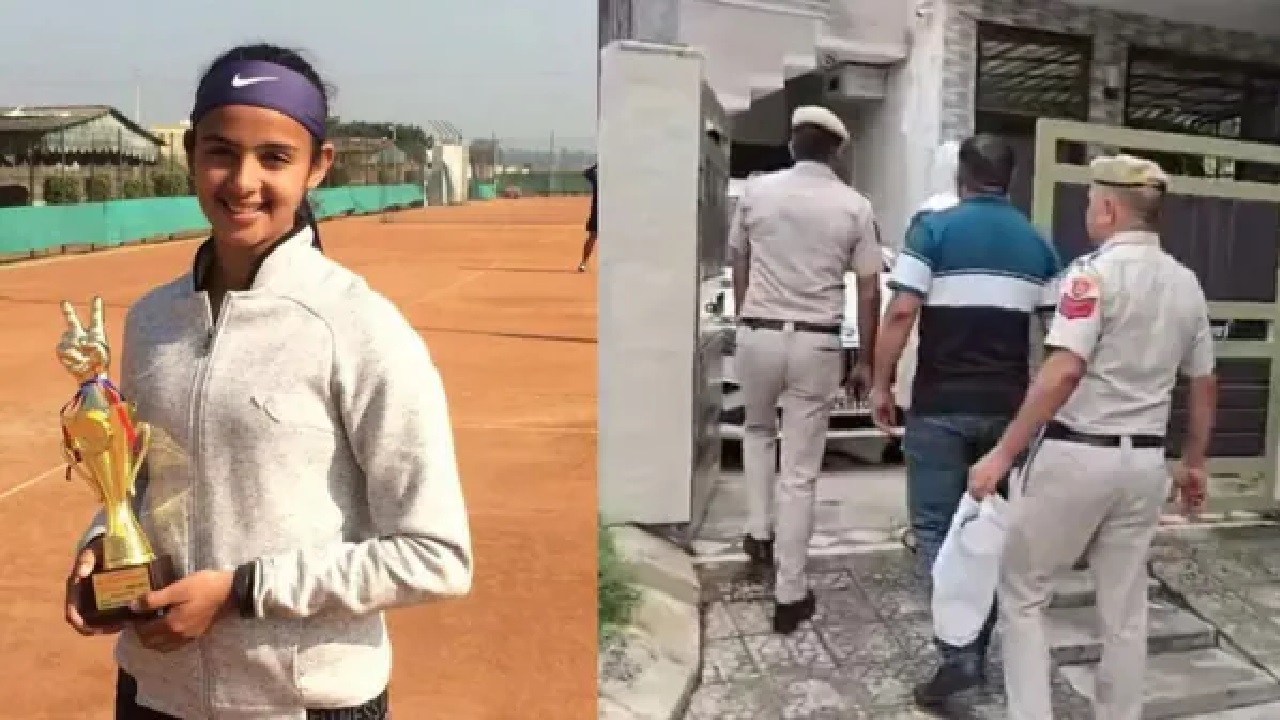
A Promising Star Cut Short
On a quiet Thursday morning in Gurugram’s Sector 57, what should have been a normal day turned into a scene of horror. Radhika Yadav, a 25-year-old former national-level tennis player and founder of a successful tennis academy, was shot dead — not by a stranger or criminal, but allegedly by her own father, Deepak Yadav. She was cooking breakfast when five bullets were fired from a licensed .32 revolver. Three struck her in the back. She died on the spot.
The tragedy unfolded in the Yadav household in Sushant Lok 2. Radhika’s mother, ill and resting in another room, was unaware of the unfolding violence. Ironically, the incident happened on her birthday — now eternally marked by the death of her daughter.
A Father’s Pride Turned Deadly
Deepak Yadav, a former bank employee and current property dealer, confessed that he was troubled by what he saw as a growing social shame: being financially dependent on his daughter. According to the police, villagers taunted him for living off Radhika’s earnings, particularly after she launched her tennis academy. These perceived insults bruised his ego and male pride.
Despite his repeated objections and demands that she close down the academy, Radhika stood firm. Her refusal to comply — a display of her independence and success — reportedly pushed Deepak over the edge. Fueled by rage, social pressure, and wounded pride, he decided to take her life.
Sports, Stigma, and Social Expectations
Radhika’s story is both inspiring and heart-breaking. Born in 2000, she dedicated her early years to tennis, becoming one of the top-ranked players from Haryana. Her career included a peak international ITF double ranking of 113 and several strong AITA rankings, including #35 in singles and #53 in doubles. After a shoulder injury halted her professional career, she turned to coaching, launching an academy that trained upcoming talent.
However, her growing visibility — including an appearance in a music video for the song Karwaan by INAAM — became another source of conflict at home. Sources claim her father objected strongly to the video, asking her to remove it from social media. His discomfort with her public image, autonomy, and modern choices may have compounded his existing resentment.
When Independence Provokes Insecurity
Radhika’s case is not isolated. Similar incidents across India reveal how deep-rooted patriarchal norms and fragile egos continue to spark violence — particularly when women assert independence. In 2021, Nikita Tomar, a college student in Faridabad, was shot dead in broad daylight by a man angry over rejection. In 2022, Shraddha Walkar’s murder by her live-in partner sparked national outrage and debates on family honor and control.
What ties these cases together is a disturbing theme: women becoming targets not for wrongdoing, but for living life on their own terms. In many families, especially in traditional or semi-urban contexts, a daughter’s success is only acceptable if it conforms to patriarchal definitions of propriety. If it doesn’t — whether through professional ambition, media visibility, or financial independence — it becomes a threat to “honor.”
Lessons from a Life Lost
The murder of Radhika Yadav forces a difficult but necessary societal reflection. What drives a father to kill his daughter for succeeding? Why does a woman’s independence still invoke shame in parts of our society?
Authorities are investigating, and legal action against Deepak Yadav is ongoing. But justice must extend beyond courtrooms. Families must challenge regressive norms that equate male pride with control and female success with dishonour.
Radhika Yadav was more than a player. She was a mentor, a pioneer, and a beacon of hope for aspiring athletes. Her story deserves to be remembered — not just as a tragedy, but as a call to confront the silent, simmering violence of patriarchal pride.
In mourning her, we must also promise to protect the next Radhika — before it’s too late.
(With agency inputs)