Tariffs as Foreign Policy—and Fallout
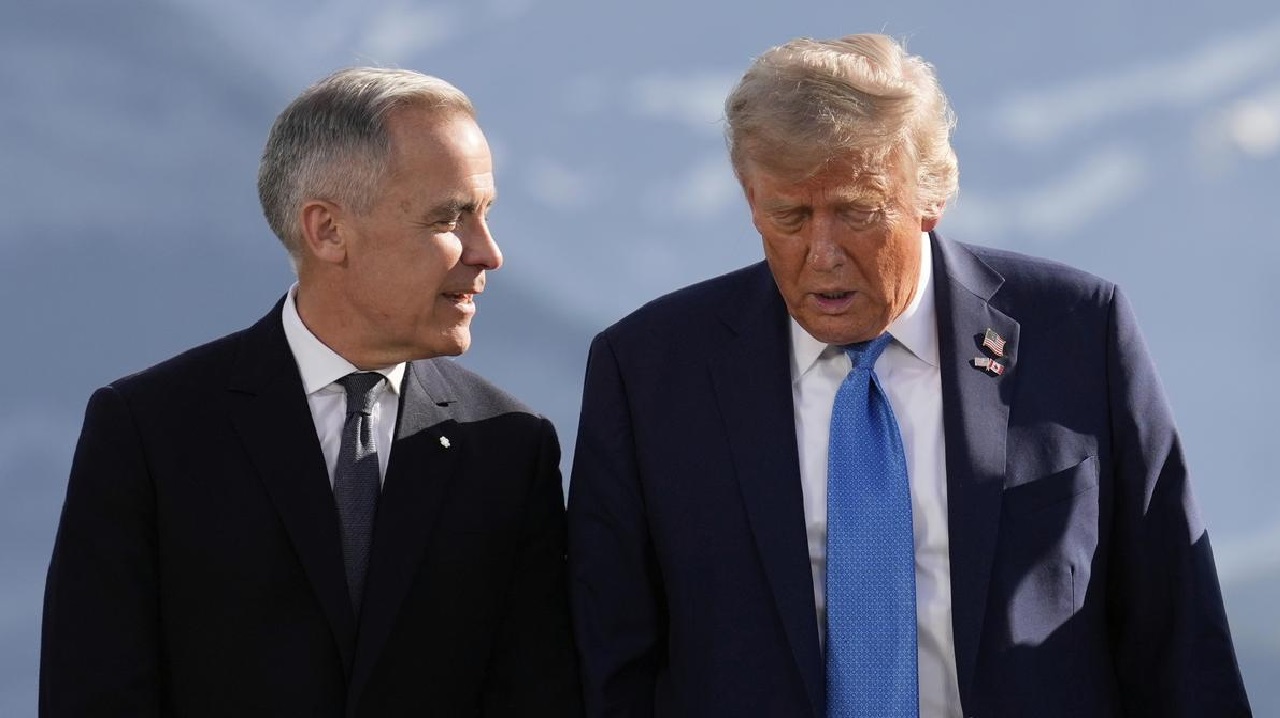
U.S. President Donald Trump’s aggressive tariff policy is again shaking global diplomacy. In a dramatic move, Trump has announced a 35% tariff on Canadian imports starting August 1, warning that it could rise further if Canada retaliates. The announcement, delivered via social media, marks an escalation not just in trade protectionism, but also in political messaging—targeting both America’s economic allies and domestic voter sentiments. Canada’s response, led by Prime Minister Mark Carney, reflects growing concern about the strain on cross-border relations and economic cooperation.
The Trump Letter—Tariffs with Strings Attached
Trump’s letter to Canadian Prime Minister Mark Carney was clear and confrontational. The 35% tariff on all Canadian goods would come into effect August 1, and could escalate if Ottawa dared to impose countermeasures. Trump linked the tariffs to Canada’s alleged failure to curb fentanyl smuggling—despite clear evidence that the drug primarily enters the U.S. via the southern border with Mexico, not from Canada.
Trump left room for negotiation, suggesting the tariffs might be reconsidered if Canada “helps” with fentanyl enforcement. However, the underlying message was unmistakable: economic coercion as a tool for policy leverage, regardless of accuracy or fairness.
Carney’s Response—Firm but Diplomatic
Prime Minister Mark Carney issued a public response, reaffirming Canada’s commitment to defending its workers and industries. “Throughout the current trade negotiations with the U.S., the Government of Canada has staunchly defended our workers and businesses,” Carney wrote on X (formerly Twitter). His statement emphasized that Canada has been proactive in addressing fentanyl-related issues and has made significant strides in economic development, regional projects, and international partnerships.
Carney’s language was measured but assertive—promising to protect Canadian interests while keeping the door open for dialogue. Notably, he avoided escalating rhetoric, a move that aligns with Canada’s long-standing preference for diplomacy over provocation in cross-border disputes.
Expanding the Trade War—More Than Just Canada
Trump’s move against Canada is part of a broader re-escalation of his trade war doctrine. Alongside the 35% Canadian tariff, he recently imposed new tariffs on Japan and South Korea and announced a massive 50% duty on imported copper. He also revealed plans to implement blanket tariffs of 15–20% on other trading partners, signaling an “America First” redux.
The rationale, Trump claims, is to rebalance trade and secure national interests. Yet, critics argue it’s more about posturing than policy, particularly as the 2024 U.S. presidential campaign heats up. By using tariffs as bargaining chips—often tied to unrelated issues like drug smuggling—Trump is reviving an unpredictable style of economic diplomacy that alarms allies and markets alike.
Risks of Coercive Trade Politics
Trump’s latest tariff salvo against Canada reveals more than just a tough stance on trade—it underscores a broader shift toward transactional diplomacy, where economic penalties replace structured negotiation. For Canada, this is a moment of both risk and resolve: retaliation could worsen tensions, but passivity may set a dangerous precedent.
As Ottawa weighs its next steps, the international community watches closely. Tariffs tied to unrelated policy demands blur the lines between trade and coercion, and while they may energize domestic political bases, they erode trust between nations. Whether Trump’s tactics succeed or backfire, one thing is clear: U.S. diplomacy is once again being rewritten through the lens of tariffs—and that carries consequences far beyond North America.
(With agency inputs)