


A Long-Awaited Debut in the World’s Third-Largest Auto Market
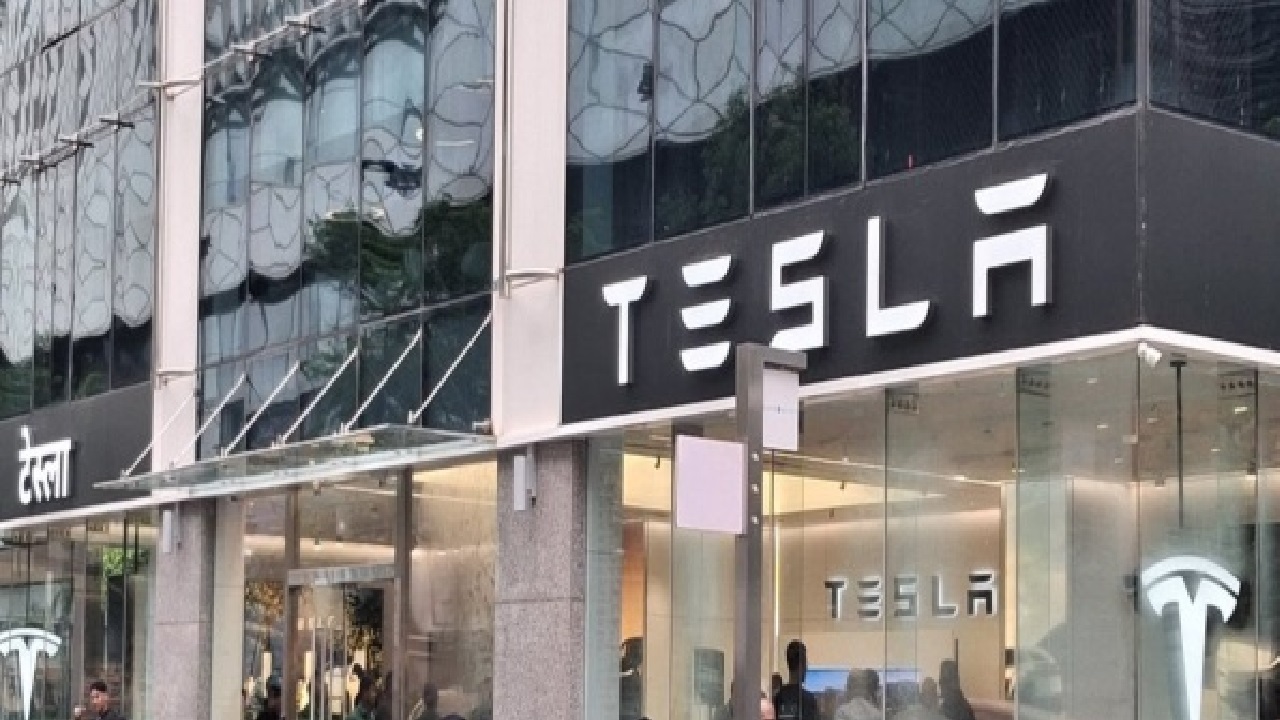
In a landmark move for India’s electric vehicle (EV) landscape, Tesla officially launched in India on Tuesday, unveiling its Model Y SUV at a starting price of ₹60 lakh (approximately $70,000). The debut was marked by the opening of Tesla’s first Indian showroom at Maker Maxity Mall in Mumbai’s prestigious Bandra Kurla Complex (BKC) — a key financial hub.
The event was inaugurated by Maharashtra Chief Minister Devendra Fadnavis, who described Tesla’s entry as “more than just an inauguration — it’s a statement.” He welcomed the company’s arrival as a vote of confidence in Maharashtra’s economic future and hoped for deeper engagement in the form of local manufacturing and research facilities in the years to come.
Tesla’s India Strategy: Start with Imports, Target Luxury Segment
Tesla’s Model Y launch marks its official entry into India’s luxury EV market, a small but growing segment. While mainstream Indian automakers like Tata Motors and Mahindra dominate affordable EVs, Tesla aims higher — targeting customers who currently look to BMW, Audi, and Mercedes-Benz for electric options.
The company has begun accepting orders for the Model Y through its website, with deliveries expected in Q3 2025. However, the initial rollout is limited to imported units, driving up prices due to India’s high import duties — often exceeding 100%.
Two variants are currently available in India:
· Model Y Rear-Wheel Drive (RWD): ₹60 lakh ($70,000)
· Model Y Long Range All-Wheel Drive (AWD): ₹68 lakh ($79,000)
Both models are manufactured in Tesla’s Shanghai Gigafactory, as its U.S. facilities do not produce right-hand-drive vehicles suitable for Indian roads.
Global Price Comparison: India Faces a Premium
Indian consumers will pay a premium for Tesla’s technology. The Model Y costs significantly more in India than in global markets due to steep import tariffs, shipping, and regulatory expenses. Here’s how Indian pricing stacks up against other regions:
· United States: Starting at $44,990
· China: $36,430 (RWD), $43,270 (AWD)
· Germany: $50,925 (AWD)
· Dubai: $54,000 (RWD), $65,000 (AWD)
· Japan: Around $37,000
· Canada: $40,000–$44,000 (est. after duties)
This stark difference could challenge Tesla’s price-sensitive Indian buyers, especially when similar luxury features are available at lower costs from German and Korean brands.
Additionally, Tesla’s Full Self-Driving (FSD) software will be offered in India as a ₹6 lakh optional upgrade — a significant sum for a feature still awaiting regulatory clarity and public testing in the country.
Import Tariffs Still a Barrier to Affordability
Tesla’s launch comes despite years of friction between the company and the Indian government over import taxes and market access. CEO Elon Musk has publicly criticized India’s tariff regime, which he argued made Tesla cars unviable without local manufacturing.
Though trade talks between India and the U.S. are reportedly ongoing, Tesla has not yet committed to building a factory or sourcing parts domestically — key requirements that could reduce costs and allow access to broader incentives. The company is currently “not keen” on local component production, according to industry reports.
Maharashtra CM Fadnavis expressed optimism that Tesla may reconsider this position: “In the future, we wish to see R&D and manufacturing done in India… I’m sure at the appropriate stage, Tesla will think about it.”
Mumbai Showroom Opens, Delhi Likely Next
Tesla secured the lease for its Mumbai experience centre in March and has already begun hiring and onboarding staff. The Bandra Kurla Complex store will showcase Tesla vehicles, offer test drives, and help buyers understand charging and software features.
Additional showrooms in Delhi and Bengaluru are reportedly under consideration, as Tesla begins scaling its physical presence in India. The first batch of five Model Y vehicles delivered to Mumbai will be used for demonstrations and customer experiences before deliveries commence.
A Premium Entry That Signals Long-Term Intent
Tesla’s long-anticipated Indian debut is both symbolic and strategic. Despite launching at a premium price point in a market driven by affordability, the company is clearly testing the waters before committing to deeper integration. India’s luxury EV market may be small today — just 4% of total car sales — but it is projected to grow rapidly as infrastructure, awareness, and policy incentives improve.
The Model Y’s launch in Mumbai is not just a commercial decision but a branding play, cementing Tesla’s place in India’s tech and auto narrative. The road ahead will depend on how Tesla balances cost, scale, and local partnerships, but for now, it has officially planted its flag in one of the world’s most promising auto markets.
(With agency inputs)