What Is Trump’s Secondary Sanctions Threat—and Why Now?
US President Donald Trump’s latest move to pressure Russia has raised alarms globally. On Tuesday, Trump announced a new wave of economic actions that include a 100% tariff on Russian exports, notably oil, and secondary sanctions on countries that continue to import Russian goods. These measures are intended to force Russia into ending its war in Ukraine, with a 50-day deadline attached.
However, these “secondary sanctions” don’t just target Moscow—they reach its trading partners too, including India. For New Delhi, which has ramped up imports of discounted Russian oil since the start of the Ukraine war in 2022, the move could disrupt a critical supply chain. Despite the threat, India’s stance has remained clear and unyielding: it will continue to secure energy from all available sources.
India’s Response: ‘We’ll Buy Oil from Wherever We Have To’
Union Minister for Petroleum and Natural Gas, Hardeep Singh Puri, responded confidently to Trump’s threats in an interview with a leading media. “We’ll buy oil from wherever we have to,” he said, asserting India’s autonomy in safeguarding its energy security.
Puri emphasized that India is not under pressure, thanks to a long-term strategy of diversification and resilience-building in the energy sector. “Over the last 11 years, we’ve gone from buying oil from just 4 countries to over 27,” he said, highlighting India’s preparedness for supply shocks and external turbulence.
Russia’s Oil: Key to India’s Energy Equation
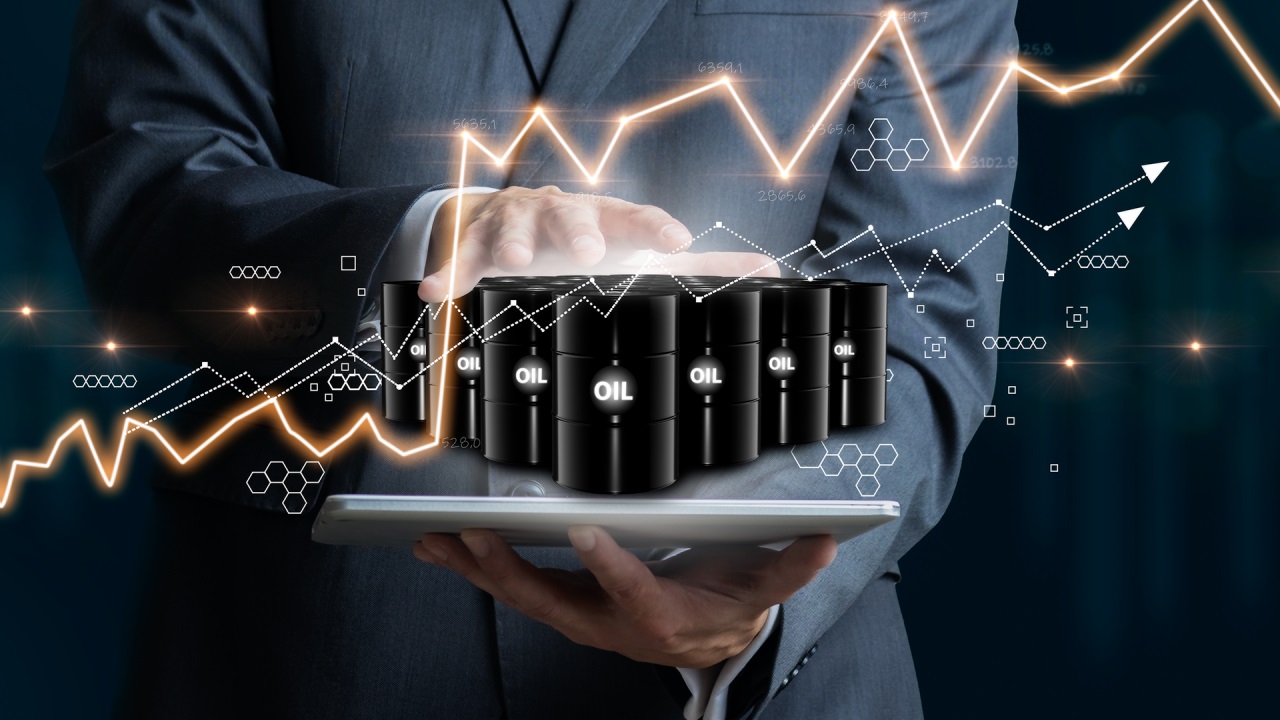
Since the Ukraine conflict began, India has emerged as one of the largest consumers of Russian oil, benefiting from heavy discounts as Western nations turned away. Russian crude now accounts for about a third of India’s total oil imports, compared to less than 1% before the war. This shift has enabled India to manage inflation, maintain stable fuel prices, and continue supporting its massive population.
Puri noted that India’s choices were not made in isolation. “Russia supplies 10% of global oil. Removing that isn’t simple—some people won’t get heating in winter or air conditioning in summer.” If Russian oil is removed from the market and demand stays the same, global oil prices could surge. “We’ve analysed that if everyone shifts to OPEC sources, prices would hit $130–$140 per barrel,” he said.
Double Standards? India Highlights the West’s Ongoing Russian Energy Trade
India has also pushed back against perceived hypocrisy from the West. Puri pointed to the European Union, which continues to purchase large volumes of Russian natural gas via LNG and pipeline networks. “They buy more in one afternoon than I buy in one quarter,” Puri remarked, highlighting the inconsistency in criticism directed toward India.
In addition, two other major oil suppliers, Iran and Venezuela, remain under US sanctions, further narrowing India’s choices. While alternative sources like Brazil, Canada, and Guyana are emerging, they may not provide the same volume or affordability.
Preparing for Possible Fallout: India’s Contingency Planning
While Puri maintains a confident front, the economic risks are real. If Trump’s proposed secondary sanctions take effect—and if they apply beyond direct oil transactions to general merchandise exports—India could face broader economic penalties.
Reports suggest that such measures may not be limited to oil companies, but could affect wider trade flows, disrupting India’s exports to the US and other allies. Indian refiners may have no choice but to pivot back to West Asian suppliers, but at higher costs. In anticipation, the government has already initiated talks with two major oil-producing nations in the Gulf to secure additional supplies.
Still, Puri stressed confidence in India’s readiness: “Let’s not draw inferences. If something happens, we’ll deal with it. We’ve always had the navigational resilience to steer through global turbulence.”
India’s Growing Energy Role on the World Stage
India’s energy profile is expanding rapidly. According to the International Energy Agency, India is projected to contribute 25% of the world’s energy demand growth over the next two decades. Already, the country has contributed 16% of global energy demand growth over the past 10 years. This makes India a vital player in global energy markets, and one that cannot be ignored or side-lined.
Puri’s remarks reflect a growing confidence in India’s position—not just as a buyer, but as a strategic force in the global energy landscape. “The Prime Minister’s commitment is to the Indian consumer,” he said, underscoring that domestic priorities will always come first.
Strategic Independence Over Political Pressure
Trump’s secondary sanctions threat may rattle some nerves, but India is unlikely to capitulate. Its energy policy is driven not by geopolitical alignment but by practical needs, strategic autonomy, and economic pragmatism.
By diversifying sources, negotiating with new partners, and calling out Western inconsistencies, India is charting a course that balances moral responsibility with national interest. As Minister Puri put it, “If something happens, we’ll deal with it.” And with the current state of global uncertainty, that level-headed confidence may be India’s most valuable fuel.
(With agency inputs)