Following a devastating terrorist attack in Pahalgam, Kashmir in April, India launched Operation Sindoor, a targeted military operation striking terrorist infrastructure deep within Pakistan and Pakistan-occupied Kashmir (PoK). The escalation triggered a series of hostilities between the two nuclear-armed neighbours, culminating in an intense aerial and artillery exchange that lasted several days. A ceasefire was announced on May 10. While diplomatic channels worked overtime behind the scenes, U.S. President Donald Trump repeatedly claimed public credit for brokering peace — a claim New Delhi has carefully but firmly distanced itself from.
Operation Sindoor: India’s Response to Terror
Triggered by the killing of 26 Indian personnel in the April attack, New Delhi wasted little time in responding with force. Operation Sindoor, launched in early May, was a high-intensity military campaign targeting identified militant camps and logistical hubs across the border. The operation was backed by extensive use of fighter jets, drones, and long-range artillery. The Indian Air Force (IAF) claimed significant success, stating that several key terror facilities were neutralized.
Pakistan, meanwhile, responded with its own air sorties and retaliatory shelling. The clash quickly escalated into a full-fledged cross-border exchange, raising fears of a broader conflict. Though short-lived, the scale and speed of Operation Sindoor marked a strategic shift in India’s counter-terror posture.
Trump’s Ceasefire Claim and the Search for Credit
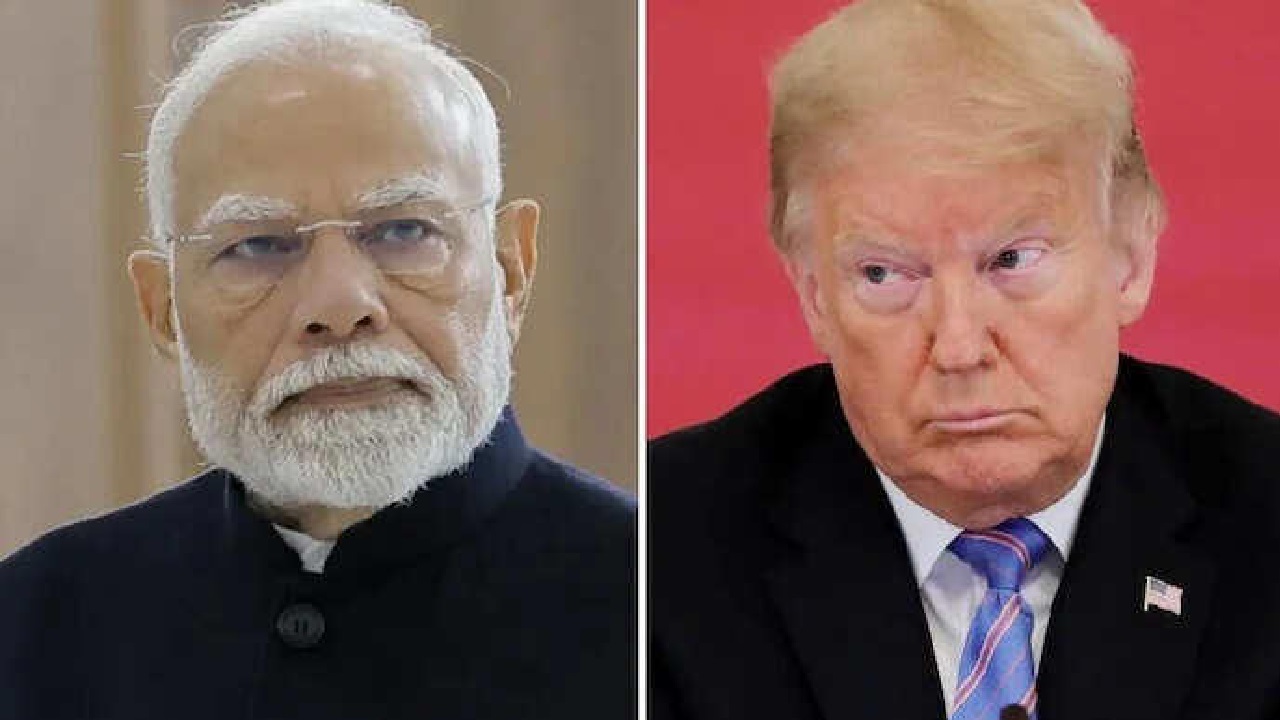
On May 10, as calm gradually returned to the Line of Control, President Trump tweeted that a ceasefire had been achieved, implying that U.S. mediation had been pivotal in cooling tempers. Speaking later at a private dinner with Republican lawmakers, Trump elaborated on the conflict, claiming, “Five, five, four or five, but I think five jets were shot down actually,” without citing any evidence or specifying whose aircraft were involved.
Trump’s remarks and his claim of personal intervention in de-escalating the situation were met with polite skepticism in New Delhi. Indian officials clarified that while diplomatic conversations with international stakeholders — including the U.S. — had taken place, the decision to cease hostilities was unilateral and based on tactical and strategic assessments by Indian leadership.
Aerial Dogfights and Disputed Narratives
The fog of war gave rise to wildly divergent claims. Pakistan asserted that it had downed five Indian jets, including three Rafales, and captured Indian pilots. Yet, no evidence was presented to substantiate these bold claims. The Indian military acknowledged aircraft losses, with Chief of Defence Staff Gen. Anil Chauhan admitting that the IAF “suffered on Day One,” but refuting Pakistani claims of large-scale damage or captured personnel.
India categorically denied the loss of any Rafale fighters. This denial was bolstered by Eric Trappier, CEO of Dassault Aviation — the French firm that manufactures the Rafale — who labeled Pakistan’s claims “factually incorrect.” “When the complete details are known, the reality may surprise many,” Trappier remarked in a French magazine interview, further undermining Islamabad’s version.
India’s Stand on Independence and Strategic Clarity
Throughout the crisis, India maintained that regional disputes with Pakistan must be resolved bilaterally — without foreign interference. While welcoming international support in combating terrorism, New Delhi made it clear that its military and diplomatic decisions stemmed from national priorities, not foreign pressure.
Moreover, the conflict underscored India’s growing importance to U.S. strategy in Asia, particularly as Washington seeks to counterbalance China’s regional influence. This strategic weight likely informed Trump’s eagerness to project himself as a peace broker, even if that narrative didn’t align with reality on the ground.
Truth, Strategy, and the Limits of Showmanship
President Trump’s claims about shooting down jets and brokering peace in South Asia appear more symbolic than substantiated. The reality of Operation Sindoor is far more complex — an Indian-led military initiative in response to terror, followed by a calculated cessation of hostilities to avoid escalation. While diplomatic engagement played a supportive role, the ceasefire was neither imposed nor inspired by outside actors.
The episode reflects a recurring pattern in international diplomacy: political showmanship clashing with strategic autonomy. For India, the message was clear — resolve and response would be dictated by national interests, not applause from afar.
(With agency inputs)