


A New Front in Trump’s Economic Warfare
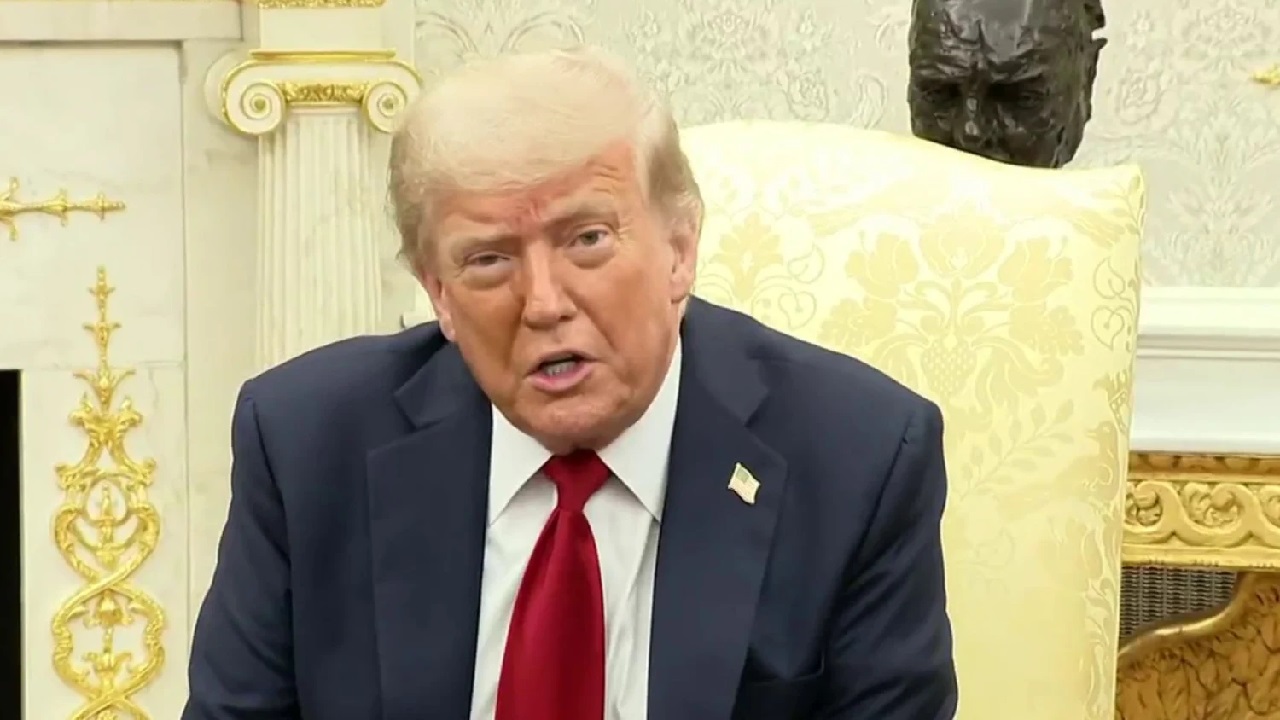
U.S. President Donald Trump, now back in office for a second term, is setting the stage for a dramatic shift in global trade dynamics. In a sharp warning aimed at nations continuing to import Russian oil, Trump has threatened to impose 100% tariffs on countries like India, China, and Brazil — the top buyers of Russian crude. This move is part of an aggressive strategy to economically isolate Moscow and force an end to the ongoing war in Ukraine. The warning came through Republican Senator Lindsey Graham, a close Trump ally, who labeled these oil transactions as “blood money” fueling Vladimir Putin’s war machine.
Russia’s Oil Lifeline: Why It Matters
Since the West’s initial sanctions following the invasion of Ukraine, India and China have emerged as key lifelines for Russia’s economy, snapping up discounted crude oil and becoming crucial players in sustaining its revenue streams. Senator Graham claims these three nations — India, China, and Brazil — are responsible for 80% of Russia’s oil exports, effectively bankrolling the Kremlin’s military ambitions.
Graham, who had earlier introduced legislation proposing 500% tariffs on countries trading with Russia, reinforced Trump’s seriousness: “If you keep buying cheap Russian oil to allow this war to continue, we’re going to tear up the hell out of you and crush your economy.”
This language signals a break from Trump’s earlier, more restrained posture toward Putin, hinting at the administration’s growing impatience with Russia’s refusal to negotiate peace.
Trump, NATO, and a Shifting Strategic Posture
The economic threats are not just unilateral. Trump’s shift is being echoed by NATO leadership, particularly new Secretary General Mark Rutte, who urged India, Brazil, and China to reconsider their trade ties with Russia. Speaking days after Trump’s tariff threat, Rutte warned that secondary sanctions — potentially coordinated across NATO allies — would follow if these nations did not help push Putin toward the negotiation table.
Trump, who had long criticized NATO during his first term, appears to have found new alignment with the alliance, united by frustration over Russia’s ongoing aggression. The U.S. has also announced new weapons support for Ukraine, a sign that Trump’s claim of ending the war “on day one” of his presidency has run up against geopolitical realities.
India’s Measured Response: Energy Security First
India, which has consistently defended its decision to buy Russian oil based on energy affordability and security, responded sharply to these threats. A spokesperson from the Ministry of External Affairs stated: “Securing the energy needs of our people is understandably an overriding priority for us… We would particularly caution against any double standards on the matter.”
India’s position reflects a balancing act: while it values its ties with the U.S. and Western nations, it refuses to be dictated to when it comes to its sovereign energy policy. Indian officials have repeatedly highlighted that their oil imports are within the bounds of global market regulations and are vital for domestic economic stability.
Geopolitical Fallout: Risks of Overreach
While the Trump administration’s intention is to weaken Putin’s ability to wage war, the decision to target India and China — two of the world’s largest economies — with punitive tariffs carries considerable risk. Such measures could spark retaliatory trade actions, derail bilateral relations, and complicate U.S. efforts to form a global coalition on other critical issues, such as Indo-Pacific security and climate change.
China, already in the midst of a trade war with the U.S., is unlikely to respond passively. India, on the other hand, may seek to expand its engagement with non-Western blocs such as BRICS, further eroding the West’s strategic leverage.
Moreover, global oil markets could become more volatile, with energy prices surging if major economies are forced to shift away from Russian oil without viable alternatives.
A High-Stakes Gamble with Global Repercussions
Trump’s tariff threat represents a dramatic escalation in the economic pressure campaign on Russia, with serious ripple effects across global diplomacy and trade. While the moral argument against funding Putin’s war effort is compelling, the tactic of penalizing other sovereign nations risks undermining long-term U.S. alliances and splintering global consensus.
The next few weeks will be crucial. If Trump follows through with the tariffs, the affected countries will face a tough choice: comply and risk economic strain, or resist and risk diplomatic fallout with the U.S.
What’s Next?
· Watch for Trump’s executive action on tariffs in the coming weeks.
· India and China’s oil purchasing behavior will be scrutinized for any signs of de-escalation.
· G20 and BRICS summits may become new battlegrounds for the diplomatic standoff.
The possibility of secondary sanctions coordinated with NATO remains a looming threat.
As global oil and trade dynamics hang in the balance, Trump’s policy could redefine the new world order of economic diplomacy.
(With agency inputs)