How Pakistan Always Cries in the UN
At nearly every global forum, especially at the United Nations, Pakistan has made it a ritual to raise accusations against India—be it about Kashmir, water-sharing treaties, or broader regional peace issues. Despite consistently being seen by many nations as lacking credibility, Islamabad continues to frame itself as a victim, using emotionally charged rhetoric. Its latest effort came at a UN Security Council (UNSC) session, where Pakistan’s Foreign Minister Ishaq Dar presided over a debate on peace and multilateralism, only to use the platform to level allegations against India.
India Responds: A Tale of Two Nations
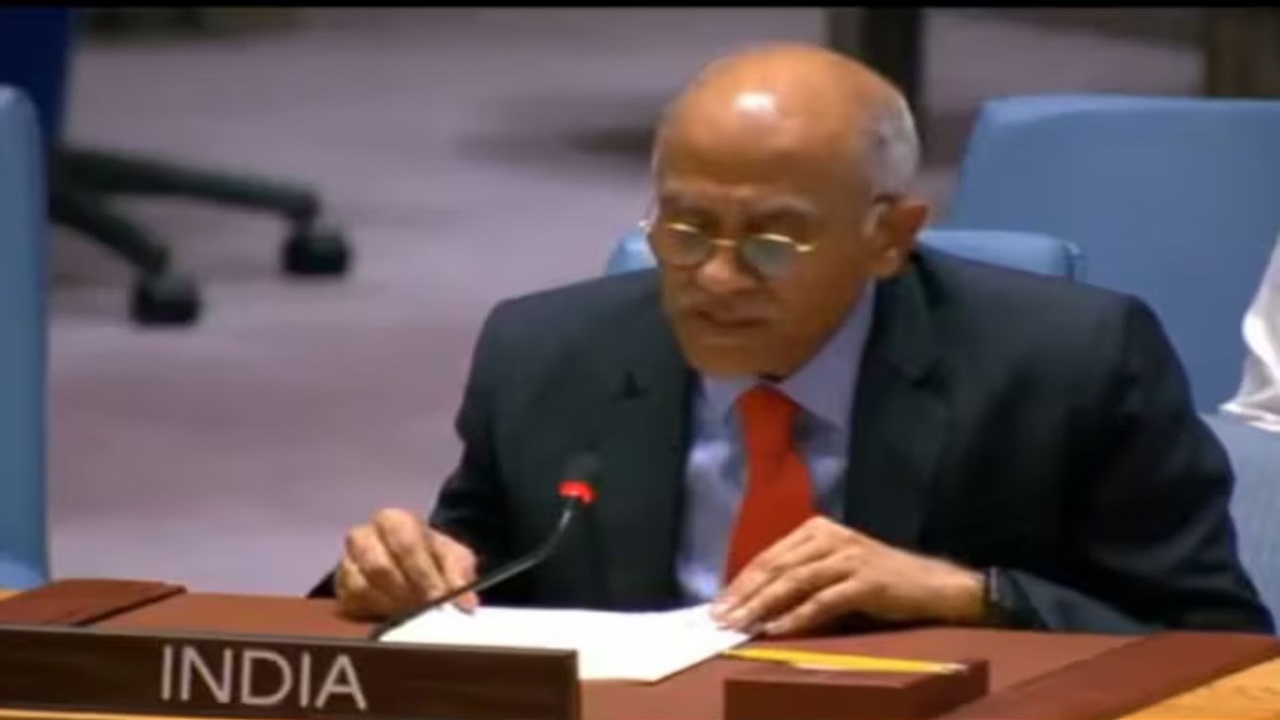
India’s response at the UNSC was swift and sharp. Ambassador Parvathaneni Harish, India’s Permanent Representative to the UN, painted a stark contrast between the two South Asian neighbours. “On one hand there is India – a mature democracy, a surging economy, a pluralistic and inclusive society. At the other extreme is Pakistan, steeped in fanaticism and terrorism and a serial borrower from the IMF,” he said.
India emphasized its growth as a responsible global actor, committed to development and inclusive governance. Meanwhile, Pakistan was described as a state plagued by extremism, economic instability, and reliance on international bailouts.
Zero Tolerance for Terror: A Global Responsibility
India’s envoy called on the international community to uphold the principle of “zero tolerance for terrorism” universally. Without naming Pakistan directly, Harish left no ambiguity in targeting nations that export terrorism while preaching peace at global platforms.
“It ill behoves the member of the Council to offer homilies while indulging in practices that are unacceptable to the international community,” he said, clearly pointing fingers at Pakistan’s dual standards.
Irony of Pakistan’s Peace Posturing
In an ironic twist, while Pakistan chaired the UNSC session on multilateralism and peaceful dispute resolution, it simultaneously sponsored a resolution advocating non-violent conflict settlement—despite a long history of sponsoring cross-border terrorism and using militant groups as state instruments.
Foreign Minister Dar’s remarks sounded hollow in the backdrop of Pakistan’s decades-long policy of using terrorism as leverage in regional disputes. This contradiction did not go unnoticed by observers and member states alike.
Propaganda Over Water Disputes Resurfaces
Pakistan once again tried to internationalize the Indus Waters Treaty, accusing India of withholding water flows. Dar claimed that India’s actions endangered the lives of 240 million Pakistanis. However, this assertion, lacking factual substantiation and global support, was widely seen as yet another attempt to shift focus from Pakistan’s domestic failures.
Pahalgam Attack: The Bloody Evidence
India reminded the Council of the recent Pahalgam terror attack in April, where Pakistan-backed militants killed 26 civilians, most of them tourists. This brutal incident was used to underscore Pakistan’s continued patronage of terror outfits that pose a direct threat to regional and global peace.
Pakistan’s Mask Wears Thin
The UNSC session once again showcased Pakistan’s habitual victimhood narrative clashing with its undeniable record on terrorism and economic instability. India, in contrast, projected the image of a responsible, forward-looking democracy.
While Pakistan pushes propaganda, India demands accountability and action. In a world seeking real solutions and credible actors, Islamabad’s strategy of deflection through rhetoric appears increasingly outdated—and exposed.
(With agency inputs)